Health & Nutrition
Is My Dog Overweight? Hands-On Checks and a Sensible Plan
My answer first
I wrote this guide to give owners a practical starting point: A practical Canine Maverick guide to using body condition, portions and steady habits rather than guesswork.
My scope: I am sharing general owner education from my experience. I am not diagnosing an individual dog or replacing veterinary, behaviour or legal advice.
Use hands as well as scales
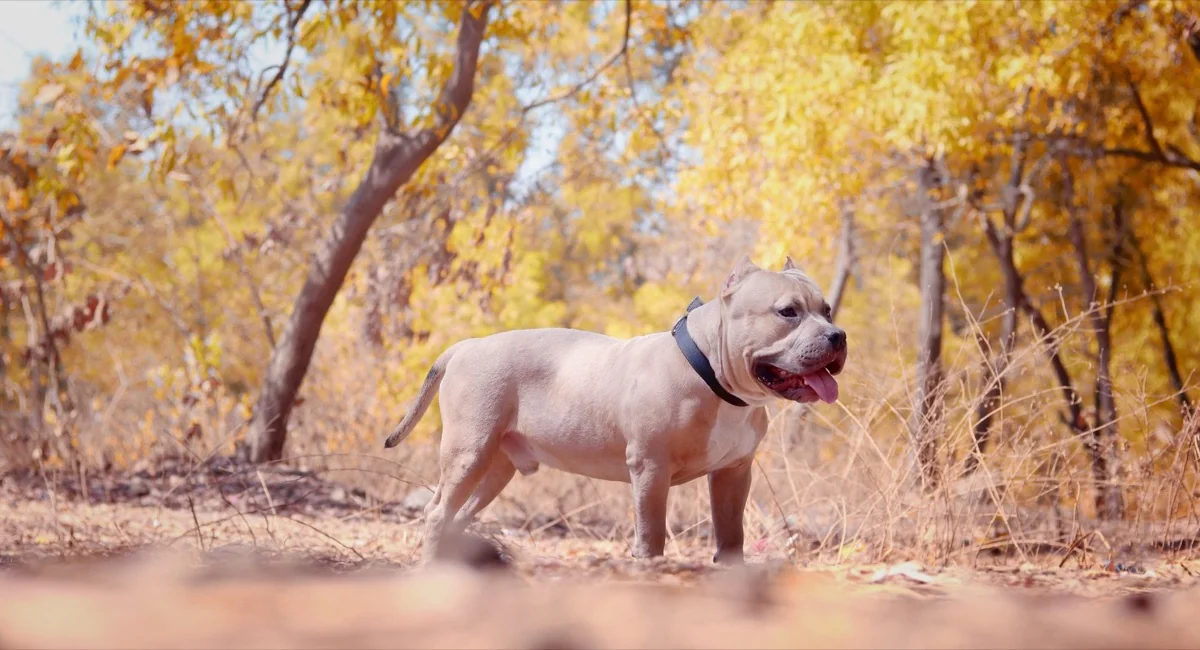
My starting point is simple. A healthy weight is not one number for every dog. Feel the ribs, look for a waist from above and an abdominal tuck from the side, then compare those observations with a recognised body-condition chart. Coat, build and muscle can fool the eye.
Body-condition score is a trend
You should usually be able to feel ribs under a light covering and see a waist; measure food accurately, count treats and ask the vet to set a safe target when weight or mobility is a concern.
This is the order I would work through:
- Weigh food with kitchen scales rather than a cup.
- Count treats, chews and table scraps in the daily total.
- Ask the vet for a target weight and safe rate of loss.
- Increase suitable activity gradually, accounting for pain, age and fitness.
Reduce calories without reducing care
I use the dog’s response and the level of risk—not pride, pressure or a fixed timetable—to choose my next step.
| What I notice | What I would do next |
|---|---|
| Ribs easy to feel with a visible waist | Maintain the routine and monitor monthly. |
| Ribs difficult to feel and waist fading | Review portions, extras and activity with your vet. |
| Weight changes quickly or despite no diet change | Arrange veterinary assessment rather than simply cutting food. |
Measure the plan monthly
Mistakes I would avoid
- Crash dieting
- Guessing portions from the bag alone
- Ignoring calories used during training
- Assuming reluctance to exercise is laziness
Make one measurable nutrition decision at a time
When I apply the nutrition advice in “Is My Dog Overweight? Hands-On Checks and a Sensible Plan”, I start with the complete diet, the dog’s medical history and one clearly defined question. I do not assume a longer ingredient list is automatically better. Weigh food with kitchen scales rather than a cup. I photograph labels and weigh portions so I can compare like with like. If a product, treat or supplement changes, everything else stays as steady as practical; otherwise I cannot tell what produced the result.
A realistic example
My worked example is a two-week record of appetite, stool, body weight, treats, medication and the single change under review. Count treats, chews and table scraps in the daily total. I decide in advance what improvement would look like and what would make me stop. A testimonial may suggest a question, but it cannot diagnose my dog, establish a suitable dose or rule out an underlying illness.
What I record and why
I write down the product, batch, serving, start date and any new sign. When ribs easy to feel with a visible waist, maintain the routine and monitor monthly. I contact the vet promptly for persistent appetite change, vomiting, diarrhoea, weight loss, pain, marked lethargy or a reaction. A food diary is useful because it supports a professional assessment; it is not a substitute for one.
My seven-day reset
For “Is My Dog Overweight? Hands-On Checks and a Sensible Plan”, I use a week as a review window, not as a promise that the issue will be solved in seven days. The aim is to replace guesswork with a calm baseline and a repeatable next step.
- Day 1: Write down the baseline for “Is My Dog Overweight? Hands-On Checks and a Sensible Plan” before changing anything.
- Day 2: Weigh food with kitchen scales rather than a cup.
- Day 3: Repeat the easiest useful step and finish while the dog is coping.
- Day 4: Review the environment, timing and every person involved.
- Day 5: Count treats, chews and table scraps in the daily total.
- Day 6: Ask the vet for a target weight and safe rate of loss.
- Day 7: Compare the week with the baseline and choose one next adjustment.
How I keep the advice safe
While applying “Is My Dog Overweight? Hands-On Checks and a Sensible Plan”, I stop if the dog becomes distressed, painful, unusually quiet, unable to recover or unsafe to handle. I do not use a website article to diagnose disease, settle a legal case or design an individual behaviour programme. I use it to prepare better questions, improve immediate management and recognise when my vet, an appropriately qualified behaviour professional or a solicitor needs to see the individual facts.
The questions I use before changing the plan
I keep my review of “Is My Dog Overweight? Hands-On Checks and a Sensible Plan” specific to the dog in front of me. My first practical anchor is: Weigh food with kitchen scales rather than a cup. From there I compare the response with the original baseline, not with somebody else’s highlight reel. If ribs easy to feel with a visible waist, I would maintain the routine and monitor monthly. I also look for unintended effects: a plan that improves one behaviour while increasing fear, pain or household risk is not a successful plan.
- What exactly am I measuring?
- What else entered the dog’s mouth?
- Has weight, appetite or stool changed?
- Is the dose and batch recorded?
- What result would make me stop or call the vet?
I share my notes from “Is My Dog Overweight? Hands-On Checks and a Sensible Plan” with the relevant professional when the issue is medical, legally sensitive or carries a realistic risk to people or animals. Clear dates, short descriptions and photographs or video—taken only when safe—help another person understand the sequence. They also stop me quietly rewriting the story after a good or bad day. That honesty is central to how I want Canine Maverick guidance to work.
Sources I checked and further reading
I checked these sources on 1 August 2026. Product availability, law and professional guidance can change, so I always follow the linked source for current details.
Sláinte,
Conor