Health & Nutrition
Dog Not Eating Meals but Taking Treats: What to Check
What this guide is for
Help owners distinguish learned pickiness from appetite changes that need veterinary attention.
Scope: This is practical owner education, not a diagnosis, behaviour assessment or legal opinion. Use the warning signs and decision points here to know when qualified help is the right next step.
Introduction: Mealtime Misfits
Is your dog turning up their nose at their regular meals but gobbling up treats with enthusiasm? You're not alone in this puzzling situation. Many pet owners wonder why their dogs refuse to eat their food but will happily devour treats. The answer lies in a combination of behavioural and medical factors that can affect a dog's appetite.
Ah, the joys of dog ownership. Long walks, sloppy kisses, and the never-ending quest to decipher their enigmatic behaviour. For years, I've wrangled a menagerie of furry friends, each with their own unique set of quirks, especially when it comes to mealtime.
Just when you think you've cracked the code to canine cuisine – grain-free with a side of salmon, perhaps? – your previously enthusiastic eater transforms into a kibble connoisseur with the pickiest palate this side of a Michelin-starred restaurant. They eye their dinner with disdain, opting instead for the allure of a stray sock or, heaven forbid, a half-eaten bird they unearthed from the backyard. Treats, however, are a different story. Those disappear faster than a politician's promise, leaving you wondering – is there something wrong with the food, or have I unwittingly raised a canine Houdini who can make kibble vanish into thin air?
Fear not, fellow dog owners! This perplexing phenomenon isn't a sign of culinary rebellion (although some days it might feel that way). It's actually quite common and can stem from a variety of factors. Let's untangle the mystery behind the finicky eater and explore ways to get your pup back on the path to kibble kween (or king).
Key Takeaways:
- Dogs may refuse to eat their food but eat treats due to various factors affecting their appetite.
- Possible causes include boredom with regular food, stress and anxiety, treat overload, power dynamics with other pets, issues with the food bowl, dental problems, digestive disorders, serious illnesses, and medication side effects.
- Understanding your dog's feeding habits and addressing these factors can help encourage them to eat their regular meals.
- Strategies to improve your dog's appetite include introducing variety in their diet, making meals more appealing, cutting back on treats, sticking to a feeding schedule, and consulting with a veterinarian.
- Preventing future feeding issues involves providing a balanced diet, managing treat consumption, maintaining a consistent feeding schedule, and regular veterinary check-ups.
Table of Contents
- Introduction: Mealtime Misfits
- Key Takeaways:
- Understanding Your Dog's Feeding Habits
- Dietary Considerations
- Boredom and Behavioural Factors
- Stress and Anxiety
- Dental Problems and Digestive Disorders
- Medical Conditions and Medication Side Effects
- Boredom and Food Preferences
- Food Aversion vs Treat Preference
- Making Mealtime Exciting
- Stress and Anxiety
- Addressing Stress and Anxiety
- Routine Disruptions and Power Dynamics
- The Impact of Routine Disruptions
- Influence of Power Dynamics
- The Importance of the Food Bowl
- The Role of the Food Bowl
- Addressing Canine Diet Issues
- Dental Problems and Digestive Disorders
- Importance of Canine Diet Preferences
- Serious Illnesses and Medication Side Effects
- Tips to Encourage Your Dog to Eat
- Preventing Future Feeding Issues
- My Conclusion: A Tricky Situation
- FAQ Section
- Why is my dog not eating his food but will eat treats?
- What are the reasons for picky eating in dogs?
- What can cause a dog to lose interest in their food but still eat treats?
- Why is my dog not interested in eating their food?
- What should I do if my dog is not eating their food but will eat treats?
- How can I encourage my dog to eat their regular meals?
- What can I do to prevent future feeding issues?
- When should I consult with a veterinarian regarding my dog's appetite?
- Source Links
£13.49
Buy nowUnderstanding Your Dog's Feeding Habits
Dogs are instinctive creatures who can be affected by a range of factors when it comes to their appetite. It is important to understand their feeding habits and the reasons why they may not be eating their food. This can include both behavioural and medical factors, such as stress, boredom, routine disruptions, treat preferences, dental problems, digestive disorders, serious illnesses, and side effects from medication. By understanding these factors, you can better address your dog's appetite issues.
Dietary Considerations
Canine nutrition issues are a significant factor in a dog's food preferences and eating habits. Dogs may not eat their food if it lacks the necessary nutrients or if they have developed aversions to certain ingredients. It is crucial to ensure that your dog's diet is balanced and provides the necessary nutrients for their overall health and wellbeing. Consulting with a veterinarian or a qualified canine nutritionist can help you make informed decisions about your dog's diet.
Boredom and Behavioural Factors
One common reason for a dog refusing food is boredom. Just like humans, dogs can get tired of eating the same thing every day. If your dog is still eating treats but not their regular food, they may be seeking variety and stimulation. Providing a diverse range of textures, flavours, and food presentation can help stimulate their appetite. Additionally, engaging in interactive feeding activities, such as puzzle toys, can make mealtime more enjoyable for your dog.
FREE DOWNLOAD
For Discover Your Dog's Food Fads, begin with the ordinary day rather than the perfect one. Look at the dog’s sleep, appetite, movement, recovery and ability to settle. Those details give you a more honest starting point than a single dramatic moment. In dog health & nutrition, small changes are often the useful ones: shorten the session, make the environment easier and write down what actually happened. That gives you evidence to work with and makes it far easier to explain the situation clearly if you need professional help.
download nowStress and Anxiety
Stress and anxiety can have a significant impact on a dog's appetite. Dogs are sensitive creatures, and changes in their environment or routine can cause them to feel stressed or anxious, leading to a loss of appetite. Treats may still be appealing because they provide comfort and a sense of familiarity. Addressing the underlying sources of stress and anxiety, such as through behavioral training or environmental modifications, can help improve your dog's eating habits.
"Stress and anxiety can also contribute to a dog's refusal to eat their food."
- Dr. Emma Smith, Veterinary Behaviourist
Dental Problems and Digestive Disorders
Dental problems, such as tooth decay or gum disease, can make eating painful for dogs, leading to a reluctance to eat their regular food. Digestive disorders, such as gastritis or pancreatitis, can also cause discomfort and digestive upset, resulting in a loss of appetite. In these cases, dogs may still eat treats because they are softer or require less chewing. Regular dental check-ups and veterinary consultations are essential to identify and address any dental or digestive issues that may be affecting your dog's appetite.
Medical Conditions and Medication Side Effects
Medical conditions, such as chronic illnesses or infections, can cause a decrease in appetite for dogs. In some cases, underlying health issues may make a dog not eat their food but still be interested in treats. Certain medications may also have side effects that reduce a dog's appetite. It is crucial to regularly consult with a veterinarian to diagnose and manage any medical conditions and adjust medication if necessary.
Understanding the factors affecting your dog's appetite is the first step in addressing their food refusal. By identifying and addressing the root cause, whether it's related to their diet, behaviour, or health, you can work towards improving their eating habits and overall well-being.
Boredom and Food Preferences
One possible reason why a dog may refuse to eat their food but still eat treats is boredom with their regular food. Dogs, like humans, can get tired of eating the same thing every day. If they are still eating treats but not their regular food, it may be a sign that they need a change in their meals. Additionally, some dogs may simply have food preferences and prefer the taste and texture of treats over their regular food.
If your dog seems disinterested in their food but obsessed with treats, it could be due to a lack of variety in their diet. Just like us, dogs enjoy experiencing different tastes and textures. Introducing new flavours and textures can help reignite their appetite and make mealtime more exciting for them.
Food Aversion vs Treat Preference
It's important to understand the difference between food aversion and treat preference. Food aversion refers to a dog's active avoidance or dislike of a specific type of food. In contrast, treat preference simply means that your dog finds treats more appealing but may still consume their regular food if hungry enough.
Remember, treats should be given in moderation and not as a substitute for a balanced diet.
If you suspect that your dog has a treat preference rather than a food aversion, consider reducing the number of treats you offer them. By limiting the availability of treats, your dog may become more motivated to eat their regular food.
Making Mealtime Exciting
To make your dog's regular meals more enticing, try these tips:
- Introduce new flavours: Incorporate different types of food into your dog's diet, such as rotating between different proteins (e.g., chicken, beef, fish) or adding a variety of vegetables.
- Enhance the scent: Dogs are often driven by their sense of smell. You can try warming up their food slightly or adding aromatic ingredients like bone broth to increase the appeal.
- Change the presentation: Consider using puzzle toys or food dispensers to make mealtime more interactive and mentally stimulating for your dog.
- Monitor portion sizes: Make sure you are feeding your dog appropriate portion sizes. Overfeeding can lead to decreased interest in regular food.
Remember, it's always a good idea to consult with your veterinarian if your dog's lack of interest in food persists. They can help rule out any underlying health issues and provide tailored advice to address your dog's specific needs.
Stress and Anxiety
Stress and anxiety can have a significant impact on a dog's appetite. Just like humans, dogs experience emotions that can affect their eating habits. When dogs feel stressed or anxious, they may lose their appetite for regular meals but still be willing to eat treats. Understanding and addressing the underlying causes of stress and anxiety is crucial to help your canine companion regain their normal eating routine.
Dogs can experience stress and anxiety due to various factors, such as changes in their environment, the introduction of a new family member, or separation anxiety when their owner is away. These situations can disrupt their sense of security and stability, leading to a loss of appetite.
The impact of stress and anxiety on a dog's appetite is not to be underestimated. It's important to recognise the signs of stress and anxiety in your dog, which may include restlessness, reduced activity, excessive barking, destructive behaviour, and changes in eating patterns.
Addressing Stress and Anxiety
When it comes to helping your dog cope with stress and anxiety, it's essential to create a calm and supportive environment. Here are a few strategies you can try:
- Stick to a consistent routine: Dogs thrive on predictability, so maintaining a stable daily routine can help reduce stress and provide a sense of security.
- Create a safe space: Designate a quiet area in your home where your dog can retreat to when they feel overwhelmed. This could be a cozy corner with their bed or a crate.
- Provide mental and physical stimulation: Engage your dog in regular exercise and mental stimulation to help relieve stress and anxiety. This could include interactive toys, puzzle feeders, and daily walks.
- Consider natural remedies: Some pet owners find that natural remedies like lavender oil or CBD products can help calm their dogs. However, it's important to consult with your veterinarian before trying any new supplements or remedies.
Remember, each dog is unique, and what works for one may not work for another. If your dog's stress and anxiety persist or worsen, it's recommended to seek guidance from a professional, such as a veterinarian or a qualified animal behaviourist.
Managing stress and anxiety in your dog can go a long way in restoring their appetite and overall well-being. By creating a supportive environment and addressing their emotional needs, you can help your canine companion overcome their picky eating habits and enjoy a healthy, balanced diet.
Routine Disruptions and Power Dynamics
Dogs thrive on routine and can become unsettled by disruptions in their feeding schedule. Sudden changes, such as different feeding times or moving homes, can cause temporary appetite loss as they adjust to their new circumstances. Additionally, power dynamics with other pets in the household can influence a dog's eating habits. Some dogs may feel threatened or dominated by other pets, leading them to avoid eating their food.
It is important to recognise that dogs are creatures of habit and thrive on consistency. When their feeding schedule is disrupted, it can create stress and uncertainty, resulting in a reluctance to eat. Changes such as different feeding times or a new environment can temporarily impact a dog's appetite.
The Impact of Routine Disruptions
Imagine if your regular meals suddenly shifted to different times each day or you were forced to eat in a new and unfamiliar place. It would likely take some time for you to adjust and regain your normal appetite. The same applies to dogs.
When their routine is disrupted, dogs may feel disoriented and uncertain about when and where they will have their next meal. This can lead to a temporary loss of appetite as they adjust to the changes. It is important to be patient with your dog during this transition period and provide reassurance and consistency.
Influence of Power Dynamics
Power dynamics within a multi-pet household can also impact a dog's eating habits. Some dogs may feel threatened, intimidated, or dominated by other pets, leading them to avoid eating their food. This can be especially true if there is competition or perceived aggression during mealtime.
It is crucial to create a calm and stress-free environment during mealtime to ensure that each pet feels comfortable and safe. Providing separate feeding areas or using food puzzles can help alleviate any power struggles and reduce food aversion in dogs.
The Importance of the Food Bowl
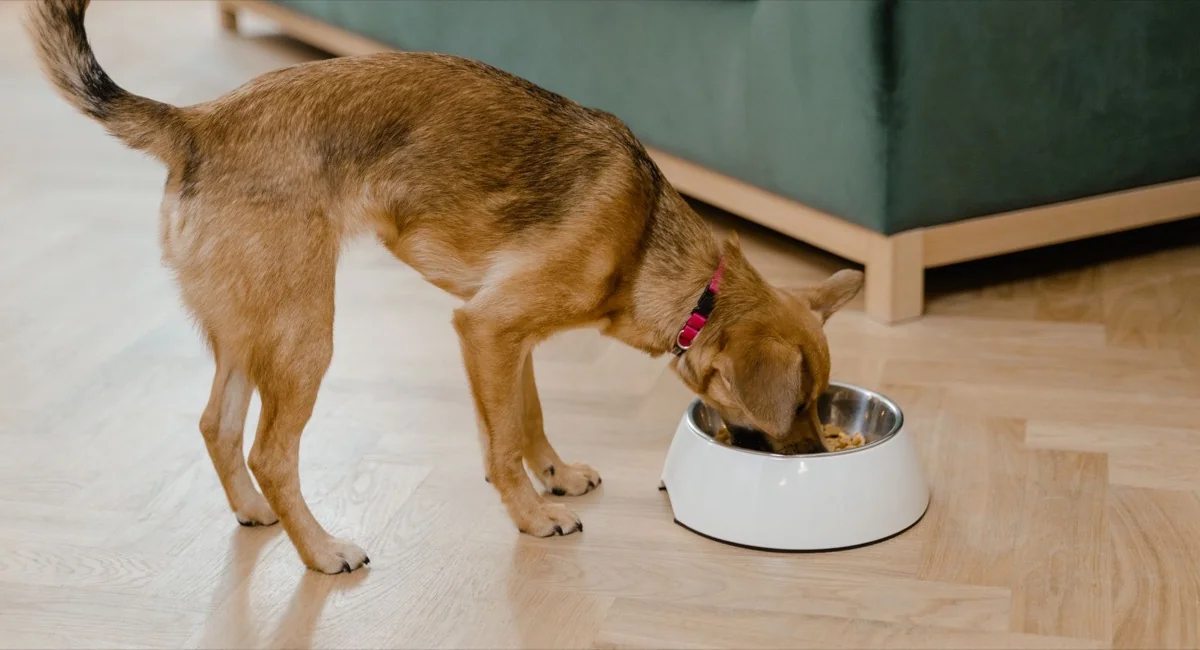
Surprisingly, some dogs can be picky about their food bowls. The material, height, or location of the food bowl can be enough to make a dog abandon their meals. If your dog is not eating their food but will eat treats, consider evaluating their food bowl and making any necessary changes to make it more appealing to them.
The Role of the Food Bowl
The food bowl plays an important role in a dog's mealtime experience. It not only holds their food but also affects their overall eating behaviour. Dogs can have preferences when it comes to their food bowls, and certain factors can influence their appetite.
- Material: Dogs may have a preference for certain materials, such as stainless steel, ceramic, or plastic. Some dogs may be sensitive to the taste or odour that certain materials can emit, leading them to refuse their food.
- Height: The height of the food bowl can also impact a dog's eating habits. Some dogs prefer bowls that are elevated to a comfortable height, while others may prefer bowls placed on the ground. It is important to observe your dog's posture and eating behaviour to determine their bowl height preference.
- Location: The location of the food bowl can also affect a dog's appetite. Dogs may feel more comfortable eating in a quiet and familiar environment. Placing the bowl in a calm area of the house away from distractions can encourage them to eat their food.
Bunty Pet Products sell products for cats & dogs with our dog beds being most popular!
Addressing Canine Diet Issues
Addressing concerns about your dog's appetite starts with evaluating their food bowl. By making changes to the bowl, you can create an inviting and appealing mealtime environment for your dog, increasing the likelihood of them eating their food.
"The food bowl should be appealing and comfortable for your dog, encouraging them to eat their meals."
By considering these factors and making necessary adjustments, you can improve your dog's mealtime experience and address any appetite concerns they may have.
Dental Problems and Digestive Disorders
Dental problems and digestive disorders can both contribute to a dog's aversion to food. Dental issues such as tooth decay or oral injuries can make eating painful, leading dogs to refuse their regular meals. Additionally, digestive disorders like gastritis, pancreatitis, and inflammatory bowel disease can cause discomfort and a lack of appetite.
If you notice that your dog is not eating their food but still shows an interest in treats, it is essential to consider their dental and digestive health as potential factors. Addressing these issues can help improve your dog's overall well-being and enjoyment of meals.
Dental problems can be the result of poor oral hygiene, allowing tartar and plaque to build up on the teeth. This can lead to tooth decay, gum disease, and oral infections, all of which can contribute to pain and difficulty eating. Regular dental care, including brushing your dog's teeth and professional cleanings, can help prevent these issues and ensure their dental health.
"Addressing dental problems can help improve your dog's appetite and overall well-being."
On the other hand, digestive disorders can cause inflammation and discomfort in the gastrointestinal tract, making it unpleasant for dogs to eat. Gastritis, for example, is the inflammation of the stomach lining, while pancreatitis refers to inflammation in the pancreas. Inflammatory bowel disease affects the intestines, causing chronic inflammation and disruptive digestion.
To address digestive disorders, your veterinarian may recommend dietary changes, medications, and other treatments to manage and alleviate your dog's symptoms. It is crucial to follow their guidance and provide a diet that supports your dog's digestive health.
Importance of Canine Diet Preferences
Understanding your dog's preferences when it comes to food is also crucial in ensuring their dietary needs are met. Just like humans, dogs can have different tastes and textures that they prefer. Some dogs may find treats more appealing due to their stronger aroma or different flavors, which can influence their food aversion.
Addressing canine diet preferences involves finding a balance between providing nutritional meals and incorporating elements that your dog enjoys. It may be helpful to experiment with different types of food, such as wet food or a variety of dog-friendly ingredients, to make their meals more enticing.
Serious Illnesses and Medication Side Effects
Serious illnesses, such as cancer, kidney disease, or liver problems, can lead to appetite loss in dogs. If your dog consistently refuses to eat their food but will eat treats, it is crucial to consult with your veterinarian to address any underlying health concerns. Identifying and treating these conditions are vital for your dog's well-being.
Cancer: Cancer is a common cause of appetite loss in dogs. Tumours can affect an animal's ability to eat and digest food properly. Additionally, certain types of cancer, such as lymphoma, may directly impact the appetite-regulating mechanisms in the body. If your dog has unintentional weight loss, exhibits a lack of interest in food, or experiences other concerning symptoms, consult your vet immediately.
Kidney Disease: Canine kidney disease, also known as renal failure, can lead to a decrease in appetite. The kidneys play a crucial role in filtering toxins and maintaining a healthy balance of fluids and electrolytes in the body. When they are not functioning optimally, dogs may experience symptoms such as decreased appetite, increased thirst, and weight loss. Identifying kidney disease early is essential in managing the condition and improving your dog's quality of life.
Liver Problems: Liver disease, including hepatitis and cirrhosis, can result in appetite loss in dogs. The liver plays a vital role in metabolism, digestion, and detoxification. When it is compromised, dogs may experience symptoms such as decreased appetite, vomiting, jaundice, and weakness. Prompt diagnosis and treatment are necessary to prevent further liver damage and support your dog's overall health.
Aside from underlying illnesses, medication side effects can also contribute to a loss of appetite in dogs. Certain medications can affect a dog's taste, smell, or overall well-being, leading to a refusal to eat. If your dog has recently started a new medication and their appetite has decreased, it is important to discuss this with your veterinarian.
To provide the best care for your dog, it is crucial to collaborate closely with your veterinarian. They will perform thorough diagnostics, including blood tests and imaging, to identify any serious illnesses or medication-related issues. Based on the findings, your veterinarian will develop a comprehensive treatment plan to address the underlying cause of the appetite loss.
Tips to Encourage Your Dog to Eat
Getting your dog to eat their food can be a challenge, but there are several strategies you can try to troubleshoot their eating habits:
- Introduce variety in their diet: Dogs, like humans, can get bored with the same food every day. Try incorporating different flavors and textures into their meals to entice their appetite.
- Make meals more appealing: Enhance the scent of their food by warming it slightly or adding a small amount of low-sodium broth. You can also mix wet food with dry kibble to make it more enticing.
- Cut back on treats: If your dog is filling up on treats throughout the day, they may be less inclined to eat their regular meals. Limiting treat consumption can help stimulate their hunger for nutritious food.
- Stick to a feeding schedule: Establishing a consistent feeding routine can help regulate your dog's appetite. Feed them at the same times each day, and avoid leaving food out all day long.
- Create a quiet eating space: Dogs can be sensitive to distractions while eating. Provide a calm and quiet environment for them to enjoy their meals, away from loud noises or other pets.
- Consider the type of food bowl: Some dogs may have preferences for certain types of food bowls. Experiment with different materials, shapes, and sizes to find the one that your dog prefers.
If your dog continues to refuse their food despite trying these troubleshooting techniques, it is recommended to consult with a veterinarian. They can help identify any underlying health issues or provide further guidance on managing your dog's appetite.
Preventing Future Feeding Issues
Once you have addressed your dog's feeding issues, it is important to take proactive steps to prevent these problems from recurring. By implementing the following strategies, you can manage your canine's diet preferences and effectively manage their appetite:
- Provide a Balanced and Varied Diet
Ensure that your dog's meals are nutritionally balanced and contain a variety of ingredients. This helps to avoid monotony and keeps your dog interested in their food. Consulting with a veterinary nutritionist can help you create a customised diet plan tailored to your dog's specific needs.
- Introduce New Flavours
Occasionally introduce new flavours and textures into your dog's diet to keep their meals exciting and appealing. This can be done by incorporating different types of meat, vegetables, or specially formulated dog-friendly spices and seasonings. However, it's important to introduce new foods gradually to avoid digestive upset.
- Manage the Amount of Treats
While treats can be a valuable tool for training and rewarding your pup, it's essential to manage their consumption. Excessive treat intake can lead to a loss of interest in regular meals. Set aside specific treat times and ensure that treats make up only a small portion of your dog's overall daily calorie intake.
FREE DOWNLOAD
Dog Feeding Tips – (share it with your family or pet sitter)
DOWNLOAD NOW- Establish a Consistent Feeding Schedule
Dogs thrive on routine, and establishing a consistent feeding schedule can help regulate their appetite. Feed your dog at the same times every day and avoid free feeding. By sticking to a schedule, your dog will learn when to expect their meals, enhancing their food motivation.
- Create a Quiet Eating Space
Provide your dog with a quiet and calm eating environment. Minimise distractions, such as loud noises or the presence of other pets. This allows your dog to focus on their food and eat without any anxiety or hesitation. Consider creating a dedicated feeding area away from high traffic areas of your home.
- Regularly Consult with a Veterinarian
Regular veterinary check-ups are crucial for your dog's overall health and can help address any potential feeding issues before they become more serious. Your veterinarian can provide guidance on nutrition, monitor your dog's weight, and address any concerns about their diet or appetite.
By following these preventive measures, you can effectively manage your dog's appetite and promote their overall well-being. Taking proactive steps to address feeding issues and implementing strategies for future prevention will ensure that your furry friend enjoys their meals and remains healthy and happy.
My Conclusion: A Tricky Situation
Dogs refusing to eat their food but eating treats can be a concerning issue for pet owners. It is important to consider both behavioural and medical factors as possible reasons for this behaviour. By understanding the underlying causes, you can take steps to address the issue and encourage your dog to eat their regular meals. Consulting with a veterinarian is recommended if the problem persists or is accompanied by other concerning symptoms.
When troubleshooting dog eating habits, it is crucial to assess various factors that may affect their appetite. Boredom with their regular food, stress and anxiety, disruptions in routine, treat overload, power dynamics with other pets, issues with the food bowl, dental problems, digestive disorders, serious illnesses, and side effects from medication can all contribute to a dog's refusal to eat their food. Identifying and addressing these issues can help restore your dog's healthy eating habits.
SAFE RESCUE FOR DOGS
As a pet owner, it is essential to observe your dog's behaviour and make necessary adjustments to their feeding routine. Introducing variety in their diet, enhancing the scent or adding wet food to make meals more appealing, cutting back on treats, establishing a consistent feeding schedule, creating a quiet eating space, and considering the type of food bowl are all useful strategies to encourage your dog to eat. Remember, your veterinarian is an invaluable resource for guidance and professional advice in troubleshooting dog appetite problems.
Sláinte,
Conor
FAQ Section
Why is my dog not eating his food but will eat treats?
There can be several reasons for this behaviour. It could be due to boredom with their regular food, stress and anxiety, disruptions in routine, treat overload, power dynamics with other pets, issues with the food bowl, dental problems, digestive disorders, serious illnesses, or side effects from medication.
What are the reasons for picky eating in dogs?
Dogs can be picky eaters for various reasons, such as boredom with their regular food, food preferences, stress and anxiety, routine disruptions, power dynamics with other pets, dental problems, digestive disorders, serious illnesses, or side effects from medication.
What can cause a dog to lose interest in their food but still eat treats?
A dog may lose interest in their food but still eat treats due to boredom with their regular food, treat preferences, stress and anxiety, routine disruptions, power dynamics with other pets, issues with the food bowl, dental problems, digestive disorders, serious illnesses, or side effects from medication.
Why is my dog not interested in eating their food?
Lack of interest in their regular food can be due to boredom, stress and anxiety, routine disruptions, treat overload, power dynamics with other pets, issues with the food bowl, dental problems, digestive disorders, serious illnesses, or side effects from medication.
What should I do if my dog is not eating their food but will eat treats?
It is important to address the underlying cause of your dog's lack of appetite. This can involve introducing variety in their diet, enhancing the scent or adding wet food to their meals, cutting back on treats, sticking to a feeding schedule, creating a quiet eating space, evaluating the food bowl, and consulting with a veterinarian if the problem persists.
How can I encourage my dog to eat their regular meals?
To encourage your dog to eat their regular meals, you can try introducing variety in their diet, enhancing the scent or adding wet food to their meals, cutting back on treats, sticking to a feeding schedule, creating a quiet eating space, evaluating the food bowl, and consulting with a veterinarian if the problem persists.
What can I do to prevent future feeding issues?
To prevent future feeding issues, you can provide a balanced and varied diet, introduce new flavours, manage the amount of treats, establish a consistent feeding schedule, create a quiet eating space, and regularly consult with a veterinarian to ensure your dog's overall health is maintained.
When should I consult with a veterinarian regarding my dog's appetite?
It is recommended to consult with a veterinarian if your dog consistently refuses to eat, experiences other concerning symptoms along with the loss of appetite, or if the problem persists even after trying various strategies to encourage them to eat.
Source Links
Sources and further reading
These sources support the health, welfare, behaviour or legal points in this guide. They do not turn a general article into individual professional advice.
Sources I checked for this editorial review
I reviewed the following professional or official starting points on 1 August 2026. They support the general principles in this article; they do not replace advice based on an individual dog.