Independent dog-owner guidance · How affiliate links support Canine Maverick
Canine MaverickCanine Maverick

Training & Behaviour

Loose-Lead Walking for Real People and Excited Dogs
By Conor Dwyer · 12 July 2026 · Reviewed for clarity and safety

A Canine Maverick guidePractical education from a lifelong dog owner. Health, behaviour and legal concerns may require qualified individual advice.
Loose-Lead Walking for Real People and Excited Dogs

Start With the Dog in Front of You

If you are looking for help with turning a daily tug-of-war into calmer communication, you are probably not after a lecture. You want to know what to do next, what to stop doing and when the situation has moved beyond a home solution. That is exactly where we will begin. I have spent more than 30 years around dogs in breeding, training, ownership and rehoming, and the lesson that keeps returning is simple: observe first, act second.

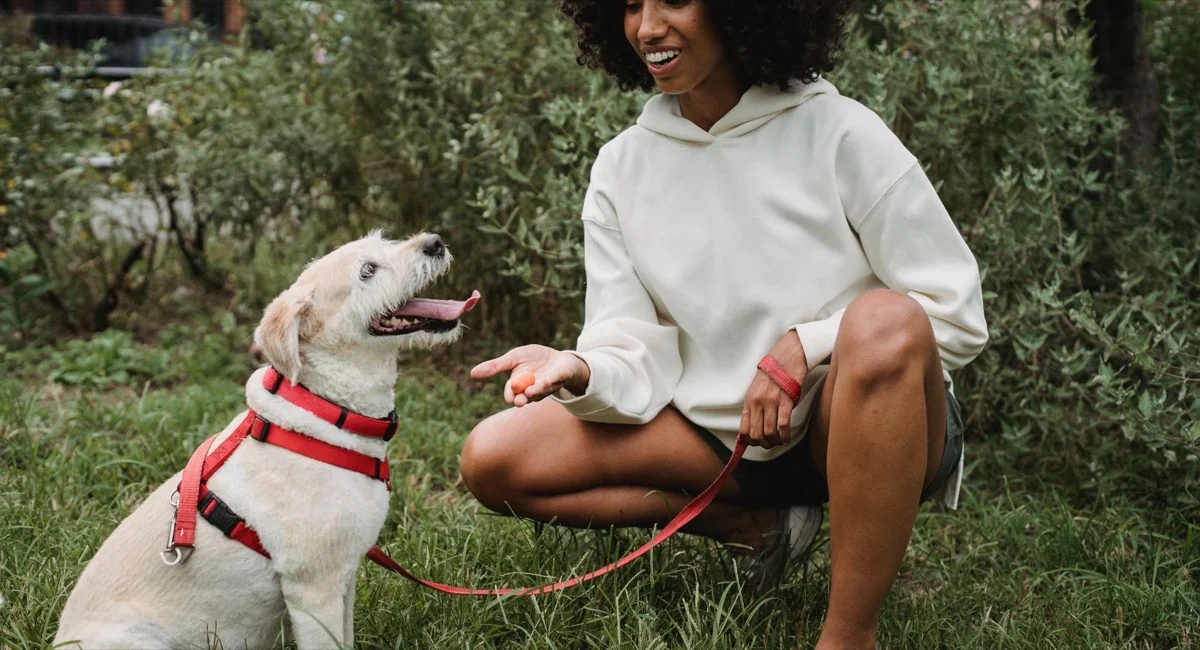
Choose suitable equipment, reward the position you want, use short sessions and sniff breaks, and lower the difficulty before frustration takes over. This guide is designed to help you create a calm, repeatable plan. It is general education, not a diagnosis or a substitute for your vet, an accredited clinical animal behaviourist or legal advice. When safety or health is deteriorating, getting qualified help early is good ownership, not defeat.

Why Owners Get Stuck

For Loose-Lead Walking for Real People and Excited Dogs, begin with the ordinary day rather than the perfect one. Look at the dog’s sleep, appetite, movement, recovery and ability to settle. Those details give you a more honest starting point than a single dramatic moment. In training & behaviour, small changes are often the useful ones: shorten the session, make the environment easier and write down what actually happened. That gives you evidence to work with and makes it far easier to explain the situation clearly if you need professional help. Keep the next action simple enough to repeat tomorrow.

The practical standard in Loose-Lead Walking for Real People and Excited Dogs is not instant perfection. It is whether the dog remains safe, can understand what is being asked and has a fair chance to succeed. Set up one manageable step, watch the response and stop while things are still going well. If the dog becomes tense, frantic, unusually quiet or unable to take a familiar reward, reduce the pressure. That is sensible handling, not giving in, and it protects the trust you will need tomorrow. Let the dog’s response decide the pace of the next step.

A useful way to apply Loose-Lead Walking for Real People and Excited Dogs is to separate prevention from teaching. Prevention stops another difficult rehearsal today; teaching builds a better response for the future. A lead, gate, quiet room, diary or changed route may handle the immediate risk, while short reward-based sessions develop the skill you eventually want. Owners often struggle when they expect one exercise to do both jobs. Keep the two parts clear and the plan becomes calmer, safer and much easier to repeat. Record what helped so another carer can follow the same approach.

A Practical Step-by-Step Plan

  1. Make today safe. Prevent access to the hazard or trigger and use secure, humane equipment.
  2. Lower the difficulty. Add distance, shorten the session or choose a quieter setting.
  3. Choose one observable goal. “Four paws on the floor” is clearer than “be good”.
  4. Reward early. Pay the dog while they are succeeding, not only after a heroic effort.
  5. Stop while it is going well. Short successful repetitions build confidence.
  6. Review weekly. Keep what works, change what does not and seek help when risk remains high.

Choose suitable equipment, reward the position you want, use short sessions and sniff breaks, and lower the difficulty before frustration takes over.

When you review progress with Loose-Lead Walking for Real People and Excited Dogs, use things you can genuinely observe. Note how quickly the dog recovered, whether distance helped, how long calm behaviour lasted and what changed immediately beforehand. Avoid labels such as stubborn, guilty or dominant when a plain description will do. “Turned away and stopped eating” is information you can use. A week of simple notes can reveal patterns that memory misses, especially when several people share the dog’s care. A calm ending is often more valuable than squeezing in another repetition.

Body Language Is Part of the Answer

Loose-Lead Walking for Real People and Excited Dogs also needs a household plan, not just one enthusiastic person. Everyone should know the same cues, boundaries and emergency steps, and equipment should live where it is actually used. In training & behaviour, consistency does not mean being rigid with the dog; it means the humans stop sending contradictory messages. If children, visitors or temporary carers cannot follow the plan reliably, use secure physical separation. Clear arrangements are kinder than hoping everybody remembers under pressure. Review the arrangement before adding distance, duration or distraction.

There is a welfare check running underneath Loose-Lead Walking for Real People and Excited Dogs. Sudden changes in behaviour, appetite, sleep, movement, toileting or tolerance can have a physical cause. Pain, digestive upset, skin irritation, sensory loss and medication effects can all alter how a dog copes. That is why a sensible plan includes a veterinary conversation when signs are new, worsening or difficult to explain. Training can change learned behaviour, but it should never be used to cover discomfort or delay necessary treatment.

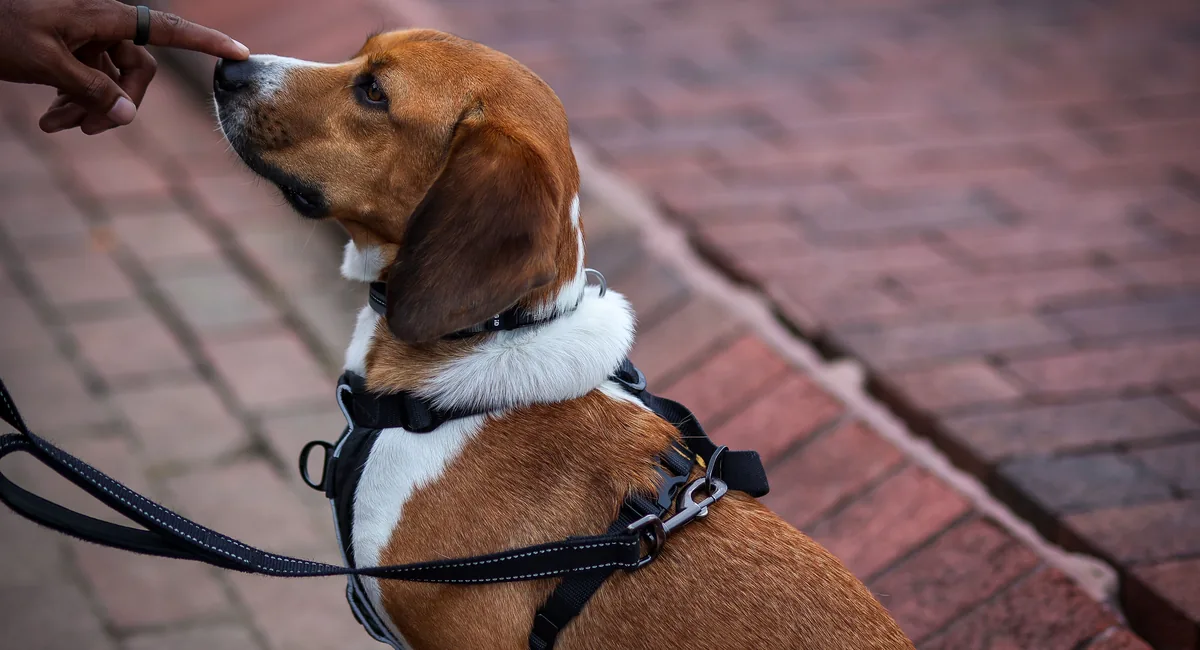
Equipment mentioned around Loose-Lead Walking for Real People and Excited Dogs should support good handling rather than promise a shortcut. Fit it correctly, introduce it gradually and check that the dog can breathe, move and communicate normally. A tool is only useful when the person holding it has a calm plan. If it increases pain, fear or conflict, stop and reassess. The best purchase cannot replace supervision, timing or an environment arranged to prevent the dog being pushed beyond what they can manage.

Common Mistakes I Would Avoid

One of the easiest mistakes with Loose-Lead Walking for Real People and Excited Dogs is changing too many things together. Choose a single priority, decide what improvement would look like and keep the first step small enough to repeat. Once that step is reliable in an easy setting, add difficulty gradually—perhaps a little more duration, distance or distraction, but not all three at once. This approach may look modest from the outside, yet it produces steadier learning and tells you exactly which part of the plan is helping.

Good advice about Loose-Lead Walking for Real People and Excited Dogs should leave room for the individual dog. Breed tendencies, age and past experience matter, but they do not write the whole story. Work with the behaviour and health of the animal in front of you. That is particularly important in training & behaviour, where confident claims can sound attractive but miss the context that changes the answer. Use this guide as a framework, then adapt it with your vet or an appropriately qualified professional when the stakes are high.

If Loose-Lead Walking for Real People and Excited Dogs involves fear, aggression, separation distress or a realistic risk to people or animals, bring in qualified help early. Management can reduce immediate danger, but a full assessment may need medical history, direct observation and a plan tailored to the household. Ask what qualifications, methods and referral relationships a professional has. Humane practice should be clear in the explanation, not hidden behind promises of a rapid fix or language about forcing the dog to submit.

Health, Welfare and Professional Help

The final test for Loose-Lead Walking for Real People and Excited Dogs is whether the plan works on a wet Wednesday when everyone is tired. Put the required items by the door, write the key steps in plain language and agree who is responsible. Prepare for the moment that usually goes wrong rather than relying on willpower when it arrives. Practical preparation is not glamorous, but it is what turns good intentions into safer habits for the dog, the household and the people you meet outside.

With Loose-Lead Walking for Real People and Excited Dogs, reward the smallest useful choice before asking for a bigger one. A glance back, a loose lead for two steps, quiet observation or a brief moment of stillness may be the beginning of the behaviour you want. Timing matters more than ceremony: mark it while it is happening and use a reward the dog genuinely values. Finish before fatigue or frustration takes over. Several short successes usually teach more than one long session that ends in conflict.

Make It Work in Ordinary Life

It is worth revisiting Loose-Lead Walking for Real People and Excited Dogs after any meaningful change in routine. Moving home, illness, adolescence, a new baby, another animal or a different walking environment can alter what the dog can manage. Returning to an easier version of the plan is not starting again; it is responding to new information. Keep the foundations familiar, lower the challenge temporarily and rebuild from a point where the dog can think, respond and recover without being overwhelmed.

The wider training & behaviour picture around Loose-Lead Walking for Real People and Excited Dogs matters as much as the headline problem. Food, rest, exercise, pain, household noise and opportunities to perform normal dog behaviour all affect coping. Improving one of those background conditions can make the specific training task easier before you have taught anything new. This is why good dog care rarely fits into a single trick or product. The pieces work together, and thoughtful owners keep checking the whole arrangement.

Before moving on from Loose-Lead Walking for Real People and Excited Dogs, decide what would make you pause and seek help. Write down the warning signs, the relevant contact numbers and the safe action everyone should take. In an emergency, contact a veterinary professional promptly; for serious behaviour risk, use secure management and qualified in-person support. Planning that threshold in advance prevents delay and debate when emotions are high. It also lets the everyday work continue with a clearer margin of safety.

Helpful Next Reads

There is a welfare check running underneath Loose-Lead Walking for Real People and Excited Dogs. Sudden changes in behaviour, appetite, sleep, movement, toileting or tolerance can have a physical cause. Pain, digestive upset, skin irritation, sensory loss and medication effects can all alter how a dog copes. That is why a sensible plan includes a veterinary conversation when signs are new, worsening or difficult to explain. Training can change learned behaviour, but it should never be used to cover discomfort or delay necessary treatment. If the picture changes suddenly, pause and check health first.

Equipment mentioned around Loose-Lead Walking for Real People and Excited Dogs should support good handling rather than promise a shortcut. Fit it correctly, introduce it gradually and check that the dog can breathe, move and communicate normally. A tool is only useful when the person holding it has a calm plan. If it increases pain, fear or conflict, stop and reassess. The best purchase cannot replace supervision, timing or an environment arranged to prevent the dog being pushed beyond what they can manage. Make safety obvious rather than relying on somebody remembering under pressure.

My Conclusion

Turning a daily tug-of-war into calmer communication is not solved by bravado. It improves through observation, prevention, fair teaching and knowing when another pair of qualified eyes is needed. Give the dog a setup in which the right choice is possible, then reinforce it consistently. Protect people and other animals as carefully as you protect the dog’s welfare.

One of the easiest mistakes with Loose-Lead Walking for Real People and Excited Dogs is changing too many things together. Choose a single priority, decide what improvement would look like and keep the first step small enough to repeat. Once that step is reliable in an easy setting, add difficulty gradually—perhaps a little more duration, distance or distraction, but not all three at once. This approach may look modest from the outside, yet it produces steadier learning and tells you exactly which part of the plan is helping. Use progress you can see instead of judging the dog by a label.

Sláinte,
Conor

Good advice about Loose-Lead Walking for Real People and Excited Dogs should leave room for the individual dog. Breed tendencies, age and past experience matter, but they do not write the whole story. Work with the behaviour and health of the animal in front of you. That is particularly important in training & behaviour, where confident claims can sound attractive but miss the context that changes the answer. Use this guide as a framework, then adapt it with your vet or an appropriately qualified professional when the stakes are high. The aim is steady improvement that survives ordinary family life.

If Loose-Lead Walking for Real People and Excited Dogs involves fear, aggression, separation distress or a realistic risk to people or animals, bring in qualified help early. Management can reduce immediate danger, but a full assessment may need medical history, direct observation and a plan tailored to the household. Ask what qualifications, methods and referral relationships a professional has. Humane practice should be clear in the explanation, not hidden behind promises of a rapid fix or language about forcing the dog to submit. Keep welfare, clarity and realistic expectations at the centre of the decision.

Continue reading