Training & Behaviour
Reliable Recall: Building the Skill Before You Need It
My answer first
I wrote this guide to give owners a practical starting point: A practical Canine Maverick guide to teaching a dog that returning to you is always worthwhile.
My scope: I am sharing general owner education from my experience. I am not diagnosing an individual dog or replacing veterinary, behaviour or legal advice.
Recall is built before it is tested
My starting point is simple. Reliable recall is a history of successful returns, not a louder word. Start where the dog can respond, pay generously and often release the dog back to safe fun. Until the skill is strong, a well-managed long line prevents mistakes from becoming habits.
Make returning worth the interruption
This is the order I would work through:
- Choose one cue that the household will protect.
- Practise at home, then in a secure quiet space.
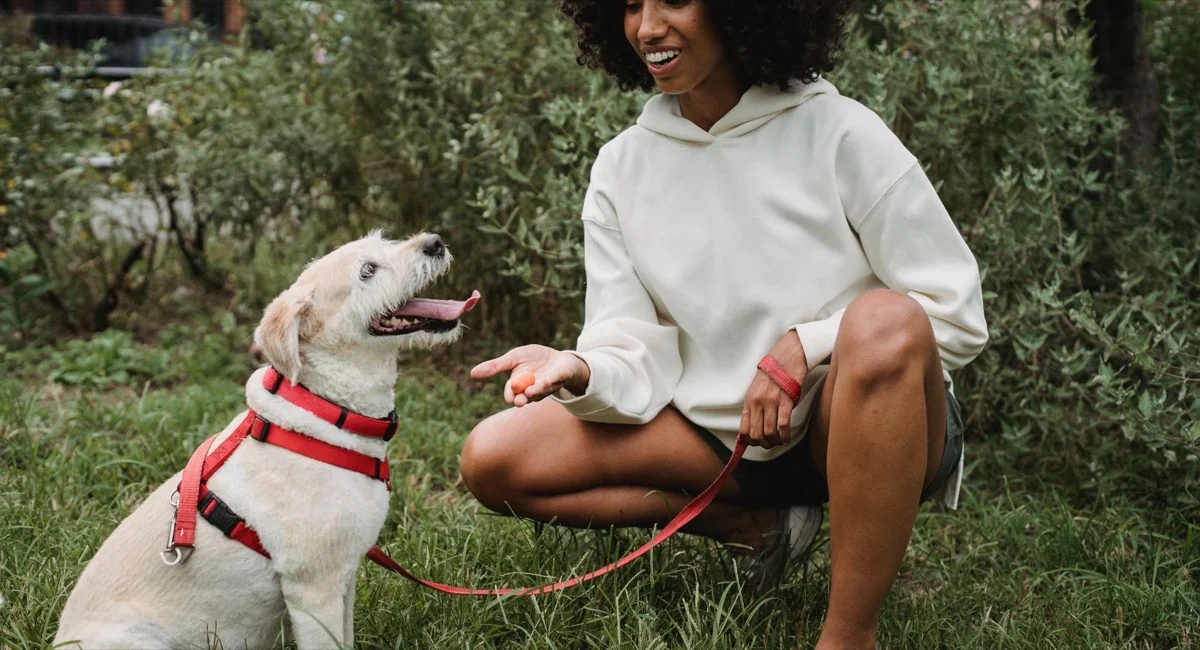
- Reward at your feet and gently hold the collar before release.
- Increase distance, duration or distraction—never all three together.
Use a long line as insurance
I use the dog’s response and the level of risk—not pride, pressure or a fixed timetable—to choose my next step.
| What I notice | What I would do next |
|---|---|
| Dog turns immediately in an easy place | Reward and add one small challenge. |
| Dog notices but hesitates | Shorten distance and improve the reward. |
| Dog cannot disengage from the environment | Do not repeat the cue; use the line and make the next session easier. |
Proof one distraction at a time
Mistakes I would avoid
- Calling when you cannot follow through safely
- Punishing a slow return
- Repeating the cue
- Letting a trailing line entangle people or dogs
Turn the training advice into a repeatable session
When I apply the advice in “Reliable Recall: Building the Skill Before You Need It”, I begin in the easiest environment that still resembles real life. I prepare rewards before the dog arrives, decide exactly what one successful repetition looks like and remove unnecessary distractions. Choose one cue that the household will protect. That preparation matters because timing becomes clumsy when I am holding a lead, searching a pocket and trying to interpret the dog at the same time. A two-minute session with a clear purpose tells me far more than twenty minutes of muddled practice.
A realistic example
A useful worked example is the moment the dog notices something interesting but has not yet committed to it. I mark the first glance back, reward close to me and then either move away or allow safe access to something the dog values. If I wait until the dog is pulling, barking or unable to take food, I am testing the finished behaviour rather than teaching it. Practise at home, then in a secure quiet space. I make the next repetition easier whenever recovery becomes slower.
What I record and why
I record location, distance, distraction, reward and recovery time. “Good walk” tells me very little; “turned back from ten metres, ate immediately and relaxed within twenty seconds” gives me a baseline. The sign I want is dog turns immediately in an easy place; at that point, reward and add one small challenge. Progress is not a straight line, so I compare several sessions rather than judging the dog by one difficult day.
My seven-day reset
For “Reliable Recall: Building the Skill Before You Need It”, I use a week as a review window, not as a promise that the issue will be solved in seven days. The aim is to replace guesswork with a calm baseline and a repeatable next step.
- Day 1: Write down the baseline for “Reliable Recall: Building the Skill Before You Need It” before changing anything.
- Day 2: Choose one cue that the household will protect.
- Day 3: Repeat the easiest useful step and finish while the dog is coping.
- Day 4: Review the environment, timing and every person involved.
- Day 5: Practise at home, then in a secure quiet space.
- Day 6: Reward at your feet and gently hold the collar before release.
- Day 7: Compare the week with the baseline and choose one next adjustment.
How I keep the advice safe
While applying “Reliable Recall: Building the Skill Before You Need It”, I stop if the dog becomes distressed, painful, unusually quiet, unable to recover or unsafe to handle. I do not use a website article to diagnose disease, settle a legal case or design an individual behaviour programme. I use it to prepare better questions, improve immediate management and recognise when my vet, an appropriately qualified behaviour professional or a solicitor needs to see the individual facts.
The questions I use before changing the plan
I keep my review of “Reliable Recall: Building the Skill Before You Need It” specific to the dog in front of me. My first practical anchor is: Choose one cue that the household will protect. From there I compare the response with the original baseline, not with somebody else’s highlight reel. If dog turns immediately in an easy place, I would reward and add one small challenge. I also look for unintended effects: a plan that improves one behaviour while increasing fear, pain or household risk is not a successful plan.
- What distraction was present?
- Could the dog still take a familiar reward?
- How quickly did the dog reorient?
- Did I change distance, duration or distraction?
- What will I make easier next time?
I share my notes from “Reliable Recall: Building the Skill Before You Need It” with the relevant professional when the issue is medical, legally sensitive or carries a realistic risk to people or animals. Clear dates, short descriptions and photographs or video—taken only when safe—help another person understand the sequence. They also stop me quietly rewriting the story after a good or bad day. That honesty is central to how I want Canine Maverick guidance to work.
Sources I checked and further reading
I checked these sources on 1 August 2026. Product availability, law and professional guidance can change, so I always follow the linked source for current details.
Sláinte,
Conor