Training & Behaviour
Reward-Based Dog Training: Foundations That Last
What this guide is for
Explain reward-based learning, timing and progression without dominance myths or shortcut equipment.
Scope: This is practical owner education, not a diagnosis, behaviour assessment or legal opinion. Use the warning signs and decision points here to know when qualified help is the right next step.
Introduction
As an experienced professional in dog training for over 25 years, I have gained valuable insights into the best ways to train dogs effectively. In this article, I will share my expertise and personal views on dog training techniques that have proven to be successful. Whether you are a first-time dog owner or looking to improve your training skills, these tips and techniques will help you establish a strong bond with your canine companion and shape their behaviour positively.
My Experience and Views (after 25+ Years of Training Dogs)
Training a dog requires commitment, patience, and consistency. This journey of dog training requires preparation and understanding of both you and your dog. It’s important to set realistic expectations and create a positive training environment. The power of positive reinforcement in dog training cannot be underestimated, as it helps shape desired behaviours while avoiding the reinforcement of undesirable behaviours. Discovering the best rewards for your dog, both in terms of food and non-food rewards, is key to keeping them engaged and motivated.
Consistency is the backbone of effective dog training. By maintaining consistent methods, commands, and rewards, you can establish a strong foundation for your dog’s learning. The frequency and duration of training sessions should be optimised to ensure effective learning and the ability to generalise behaviours in diverse environments. Incremental training allows you to break down complex behaviours into manageable steps, simplifying the learning process for both you and your dog.
Keeping training fun and engaging is essential for long-term success. By incorporating play into training sessions and celebrating small successes, you can maintain motivation and create a positive training atmosphere. Making training a part of your dog’s daily routine reinforces consistency and enhances their overall learning experience. Hand signals can also enhance communication in dog training, providing clear and consistent cues for your dog to understand commands and behaviours.
Seeking guidance from professional dog trainers can be beneficial, and selecting the right trainer is crucial. Dog training classes offer valuable skills and socialisation opportunities for both you and your dog. Teaching basic obedience skills is essential, as they provide your dog with freedom and mental stimulation that prevents boredom and undesirable behaviours. Navigating common training challenges requires patience and strategies to overcome them.
Key Takeaways:
- The best way to train a dog requires commitment, patience, and consistency.
- Positive reinforcement is key to shaping desired behaviours and avoiding reinforcement of undesirable behaviours.
- Discovering the best rewards, both food and non-food, can keep your dog engaged and motivated.
- Consistency in training methods, commands, and rewards establishes a strong foundation for learning.
- Keeping training fun and engaging by incorporating play and celebrating small successes is crucial for long-term success.
Alternative Rottweiler Pullover Hoodie
Grungy, Punk, and Cool: Unleash your inner rebel with this edgy Rottweiler design, perfect for the alternative fashionista.
Cool and Edgy: A unique blend of cute and punk, this design turns heads and sparks conversations.
Buy now on amazonEmbarking on the Journey of Dog Training
Before diving into dog training, it's important to understand the journey you are about to embark on. Training a dog requires commitment, patience, and consistency. This section will guide you through the initial steps of preparing yourself and your dog for training. From setting realistic expectations to creating a positive training environment, you'll learn how to kickstart your training journey on the right foot.
Beginning from the start of ownership puts you and your new best friend in the best position for success in training. Puppy training can seem daunting and sometimes thankless, especially when a butterfly enters the scene at that one moment when your pup is showing focus. then poof, the pup is gone! But fear not, for the journey of dog training is well worth the effort. Whether you're considering therapy dog training, or simply want to teach your furry friend basic obedience, the bond you'll form with your pup through training is priceless.
When it comes to choosing a puppy, some breeds are known to be easier to train than others. Labrador Retrievers, Golden Retrievers, and Border Collies are often considered to be among the easiest puppies to train. Their intelligence, willingness to please, and high energy levels make them excellent candidates for obedience and therapy dog training.
For Best Way to Train a Dog: Tips & Techniques, begin with the ordinary day rather than the perfect one. Look at the dog’s sleep, appetite, movement, recovery and ability to settle. Those details give you a more honest starting point than a single dramatic moment. In dog care, small changes are often the useful ones: shorten the session, make the environment easier and write down what actually happened. That gives you evidence to work with and makes it far easier to explain the situation clearly if you need professional help.
download for free now!However, even if you don't have one of these breeds, don't fret. With patience, consistency, and positive reinforcement, any dog can be trained. It's important to remember that each dog is an individual, and some may require more time and effort than others. But trust in the process and remember that you are not alone on this journey.
If you're looking for more specialised training, such as K9 dog training, it's crucial to seek professional guidance. These types of training programmes require specific expertise and knowledge. Professional trainers can help you navigate the intricate world of scent detection, protection work, and advanced obedience, ensuring that both you and your dog are safe throughout the training process.
Remember, dog training is not just about teaching commands. It's about building a strong, communicative relationship with your canine companion. The journey may have its ups and downs, but watching your dog grow and thrive as a result of your efforts is an incredibly rewarding experience. So, embrace the challenge, celebrate the successes, and enjoy the adventure of dog training.
The Power of Positive Reinforcement in Dog Training
In dog training, positive reinforcement is widely regarded as the most effective method for shaping desired behaviours. By using positive reinforcement techniques, you can establish a strong bond with your dog and motivate them to exhibit the behaviours you desire. Positive reinforcement involves rewarding your dog for good behaviour, which encourages them to repeat that behaviour in the future.
What Constitutes Positive Reinforcement
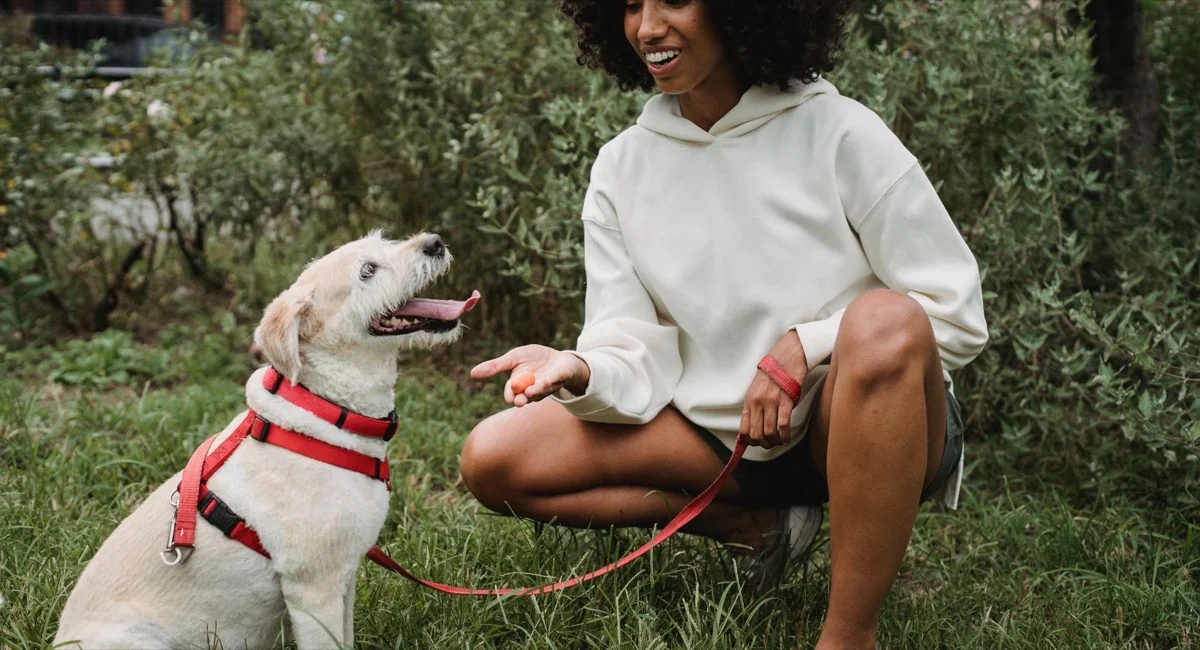
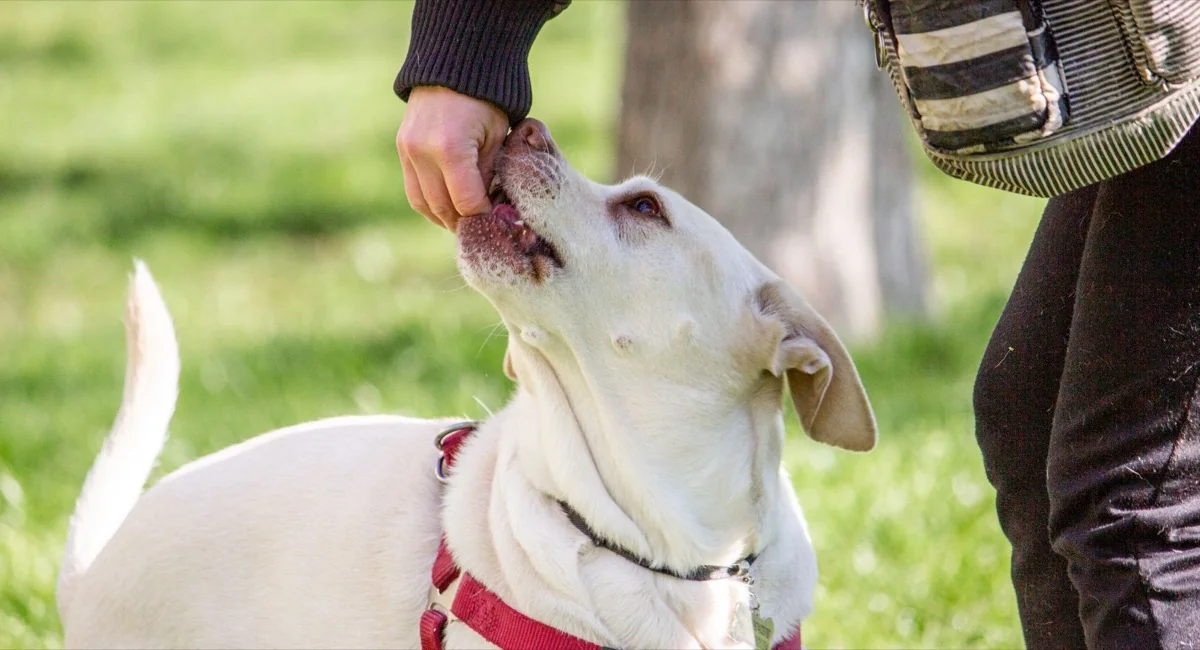
Positive reinforcement involves rewarding your dog with something they value when they exhibit a desired behaviour. This can be in the form of treats, praise, playtime, or any other positive stimulus that your dog finds rewarding. The key is to provide the reward immediately after your dog displays the desired behaviour, reinforcing the connection between the behaviour and the reward.
For example, if you are teaching your dog to sit, you can use positive reinforcement by giving them a treat and praising them every time they successfully sit on command. This positive experience helps your dog associate sitting with positive outcomes, making them more likely to repeat the behaviour in the future.
Develops your Dog's "Hidden Intelligence" To Eliminate Bad Behaviour and Create the Obedient, Well-Behaved Pet of Your Dreams
Learn more nowDog Training Tricks: Using tricks to train your dog is an awesome and fun way, it gives them rewards and keeps them motivated by having fun doing it. Positive reinforcement is a key element in their training. It involves providing rewards or praise to encourage desired behaviours. When it comes to tricks to teach dogs, positive reinforcement is often the most effective method.
One common example of positive reinforcement is using treats to reward good behaviour. For instance, if your dog successfully learns a new trick, you can give them a tasty treat as a reward. This creates a positive association in their mind, making them more likely to repeat the behaviour in the future.
Crate Training: Crate training a puppy is another scenario where positive reinforcement comes into play. By using rewards, such as treats or praise, when your puppy enters their crate voluntarily, you are reinforcing the desired behaviour of associating the crate with a positive experience. This not only helps with potty training but also ensures your pup feels safe and comfortable in their crate.
Pet Smart (US Only): Pet smart dog training classes are often focused on positive reinforcement techniques. Trainers use treats, toys, praise, and clickers to reward the dogs for performing desired behaviours. This positive reinforcement not only helps to build a strong bond between the dog and the handler but also makes the training process enjoyable and effective. [For UK alternatives look for dog training classes near you]
In conclusion, positive reinforcement is an essential component of dog tr. Whether you're teaching tricks, crate training a puppy, or attending pet smart dog training classes, using rewards and praise helps to reinforce the desired behaviours. So, next time you're training your furry friend, remember to focus on positive reinforcement for a happy and successful training experience.
Avoiding the Reinforcement of Undesirable Behaviours
While positive reinforcement is a powerful tool in dog training, it's essential to be mindful of unintentionally reinforcing undesirable behaviours. This can happen when your dog receives attention or rewards for behaviours that you don't want to encourage.
For example, if your dog barks excessively and you respond by giving them attention or scolding them, you may inadvertently reinforce the barking behaviour. Instead, it's important to withhold attention or rewards when your dog engages in undesirable behaviours and redirect their focus towards more appropriate behaviour. By doing so, you can avoid reinforcing negative behaviours and focus on reinforcing positive behaviours instead.
In summary, positive reinforcement is an effective and humane method of training your dog. By utilising rewards and positive stimuli, you can shape desired behaviours and establish a strong bond with your furry friend. Just remember to consistently reward good behaviour and redirect or ignore undesirable behaviours to create a harmonious training experience for both you and your dog.
Discovering the Best Rewards for Your Dog
Rewards play a crucial role in dog training as they motivate and reinforce desired behaviours. By understanding your dog's food motivations and preferences, as well as exploring non-food rewards such as toys and affection, you can effectively keep your dog engaged and motivated throughout the training process.
Understanding Food Motivations and Preferences
Food rewards are often highly effective in training dogs. Every dog has unique preferences, so it's essential to understand what motivates and excites your furry friend. Experiment with different types of treats and observe which ones your dog responds to most enthusiastically. Some dogs may prefer soft treats, while others may enjoy crunchy ones. Use high-value treats for more challenging tasks or behaviours that require extra motivation.
Non-Food Rewards: Toys and Affection
While food rewards are popular, it's important to incorporate non-food rewards as well. Toys and affection can be powerful motivators for many dogs. Identify your dog's favourite toys or games and use them as rewards during training sessions. This can help strengthen the bond between you and your dog and make the training experience more enjoyable. Additionally, dogs thrive on affection and praise, so don't underestimate the power of a pat on the head, scratch behind the ear, or an enthusiastic "good job!"
Consistency: The Backbone of Effective Dog Training
Consistency is the key to successful dog training. By maintaining a consistent approach in your training methods, commands, and rewards, you are setting the groundwork for your dog's progress and development. In this section, I will highlight the significance of consistency in dog training and provide you with essential techniques to establish a consistent routine that will help your dog understand and retain what they have learned.
Consistency in training methods means utilising the same techniques and approaches consistently throughout the training process. This is important because dogs thrive on routine and consistency, and by using the same methods, you are providing clear instructions and expectations for your dog.
Similarly, consistent and precise command use is necessary to facilitate your dog's learning and understanding. By using the same commands consistently, your dog will associate these commands with specific behaviours, making it easier for them to respond appropriately. This will ensure effective communication between you and your dog.
Consistency in rewarding your dog's good behaviour is equally crucial. By consistently rewarding desired behaviours, you are reinforcing positive actions and encouraging your dog to repeat them. This will strengthen the bond between you and your dog and motivate them to continue their training journey.
To establish consistency, it is essential to create a regular training routine. Set specific training times and stick to them, making it a priority in your daily schedule. By consistently training at the same times, your dog will come to expect and look forward to the sessions, enhancing their focus and learning abilities.
Consistency also extends to your communication style with your dog. Use the same tone of voice, body language, and hand signals to maintain consistency in your commands. This clear and consistent communication will help your dog understand what is expected of them and reinforce their training.
Remember, consistency in dog training is an ongoing commitment. It requires patience, dedication, and a willingness to follow through with consistent training methods, commands, and rewards. By prioritising consistency, you are laying the foundation for a well-trained and obedient dog.
Stay tuned for the next section, where we will explore the optimal frequency and duration of training sessions and the benefits of training in diverse environments.
Optimising the Frequency and Duration of Training Sessions
Finding the optimal frequency and duration of training sessions plays a crucial role in achieving successful results in dog training. In this section, I will discuss the benefits of incorporating short training intervals and the importance of training in diverse environments and contexts.
The Benefits of Short Training Intervals
Short training intervals offer numerous advantages when it comes to teaching your dog new behaviours. By breaking down the training sessions into smaller and more focused intervals, you can keep your dog engaged and motivated. This approach prevents boredom and reduces the chances of your dog getting overwhelmed by long training sessions. Short intervals also allow for better retention of information, as dogs tend to have shorter attention spans. By keeping the training sessions concise and frequent, you can effectively reinforce the desired behaviours and speed up the learning process.
Trainability varies greatly among dog breeds. Breeds known for focus and attention typically learn faster. Even for these quick learners, accident cleanup time matters. The sooner you address an indoor "mistake," the better you can guide your dog towards using the designated potty spot.
Training in Diverse Environments and Contexts
Training your dog in various environments and contexts is essential for generalisation. Dogs learn to associate specific behaviours with certain situations or locations. By exposing your dog to different environments, such as parks or busy streets, you can enhance their ability to perform the learned behaviours regardless of the setting. Training in diverse contexts helps dogs overcome distractions and reinforces their understanding of commands in real-life scenarios. It also allows for better adaptability and prepares them to handle different situations with confidence.
Mastering the Art of Incremental Training
Incremental training is a highly effective approach that involves breaking down complex behaviours into smaller, more manageable steps. This technique simplifies the learning process for your dog, allowing them to gradually build upon their foundation skills and shape desired behaviours.
By employing a systematic approach, you can help your dog understand and master each step before progressing to the next, ensuring a solid understanding of the desired behaviour. This method fosters confidence in your dog and prevents them from becoming overwhelmed or confused.
When implementing incremental training, it's important to set clear goals and establish a training plan. Identify the specific behaviours you want to teach your dog and break them down into achievable steps. Start with the simplest behaviour and gradually increase the level of difficulty as your dog advances.
During each training session, focus on one step at a time and provide clear, consistent cues or commands. Use positive reinforcement, such as treats or praise, to reward your dog for successfully completing each step. This encourages them to continue progressing and strengthens their motivation to learn.
Remember, patience is key when practising incremental training. Every dog learns at their own pace, and it's important to avoid rushing the process. Celebrate each small victory and remain consistent in your training efforts. With time and dedication, your dog will develop the desired behaviour through incremental training, leading to a well-trained and obedient companion.
book a free space nowKeeping Dog Training Fun and Engaging
Making training sessions enjoyable for both you and your dog is crucial for long-term success. Incorporating play into the training process not only keeps your dog engaged, but it also enhances their learning experience. By creating a positive training atmosphere, you can foster a strong bond with your furry friend and achieve better results.
Incorporating Play into Training
Play is a natural instinct for dogs and can be a powerful tool in dog training. By incorporating play into training sessions, you can make learning more enjoyable and interactive. For example, instead of simply practising commands in a repetitive manner, you can turn it into a game of fetch or hide-and-seek. This not only adds an element of fun but also allows your dog to associate training with positive experiences.
Additionally, using toys or treats as rewards during training can make the process more exciting for your dog. You can use their favourite toy as a motivator for learning new commands or incorporate treat-dispensing toys to keep them engaged and focused on the training session.
Celebrating Small Successes
Celebrating small successes during training is essential for maintaining motivation and creating a positive training atmosphere. When your dog successfully follows a command or exhibits a desired behaviour, acknowledge their effort with praise, treats, or playtime. This positive reinforcement reinforces their good behaviour and encourages them to continue their training journey.
Remember to break down complex behaviours into small achievable steps, and celebrate each milestone along the way. This not only boosts your dog's confidence but also keeps them motivated to learn and improve.
By incorporating play into your training sessions and celebrating small successes, you can make dog training a fun and engaging experience for both you and your furry companion. Remember, a positive and enjoyable training environment is the best way to train a dog effectively.
When it comes to tricks to teach your dog, focus on simple tasks at first. Start with basic commands like "sit" or "stay" and gradually progress to more advanced tricks. Break down each trick into small steps and reward your dog for successfully completing each one. Remember, patience is key, and it's important to keep sessions short and frequent to avoid overwhelming your pet.
Finally, don't forget to celebrate small successes! Whether it's a successful sit or a perfect stay, acknowledge your dog's efforts and achievements. Celebrate with treats, praise, or even a small play session. This positive reinforcement ensures that your dog understands they are doing something right and encourages them to continue their progress.
Making Training a Part of Your Dog's Daily Routine
Consistency is reinforced by incorporating training into your dog's daily routine. This section will guide you on how to seamlessly integrate training exercises into everyday activities. Here are some practical ways to make training a natural and consistent part of your dog's life:
- Incorporate commands during mealtime: Use mealtime as an opportunity to reinforce training by asking your dog to sit or stay before placing their bowl down. This reinforces obedience and establishes good mealtime manners.
- Incorporate training during walks: Use your regular walks as training sessions. Practice loose-leash walking, recall, and other commands while enjoying your daily stroll.
- Use everyday objects as training tools: Turn everyday objects into training props. For example, incorporate a doorbell sound to teach your dog to go to a designated spot when the doorbell rings.
- Create a training schedule: Set aside specific times each day for training sessions. Consistency is key, so stick to the schedule as much as possible.
- Integrate training into playtime: Incorporate training exercises into your dog's play sessions. For example, ask your dog to perform a command before throwing a ball or engaging in a game of tug-of-war.
By making training a part of your dog's daily routine, you create a consistent environment that encourages learning and reinforces positive behaviours. Remember to keep training sessions short and fun to maintain your dog's enthusiasm and engagement.
Kingdom of Pets is your ticket to:
- TRAINING your Dog effectively
- CARING for your dog's health needs
- UNDERSTANDING why your dog behaves the way they do
- NURTURING a life-long relationship with your dog that you'll cherish
Enhancing Communication: The Role of Hand Signals in Dog Training
Dogs rely on cues and signals to understand commands and behaviours. In this section, we will explore the role of hand signals in dog training and how they can enhance communication between you and your dog. Clear and consistent communication is essential for effective training and the development of a strong bond with your furry friend.
Hand signals are visual cues that accompany verbal commands and help dogs understand what is expected of them. They can serve as a universal language, as dogs are naturally attuned to visual signals. By incorporating hand signals into your training sessions, you can provide your dog with a clear understanding of the desired behaviour and reinforce your verbal commands.
Common hand signals used in dog training include:
- Raised hand, palm facing forward - "Stay"
- Index finger pointing upwards - "Sit"
- Hand sweeping downwards - "Lie Down"
- Hand circling near the nose - "Speak"
- Hand moving in a "come here" motion - "Come"
When introducing hand signals, it is important to pair them with verbal commands. Use the hand signal immediately before or simultaneously with the verbal command to establish the association between the two. Consistency is key; use the same hand signals and verbal commands consistently throughout your training sessions.
As you begin incorporating hand signals into your training, start in a quiet and familiar environment to minimise distractions. Gradually increase the level of difficulty by introducing hand signals in different locations and with varying levels of distractions. This will help your dog generalise the behaviour and understand that the hand signal applies regardless of the situation.
Remember to pair the hand signals with positive reinforcement, such as treats or praise, to reward your dog for displaying the desired behaviour. Over time, your dog will come to recognise and respond to the hand signals, allowing for more efficient and seamless communication during training sessions and everyday interactions.
To summarise, incorporating hand signals into dog training can greatly enhance communication and understanding between you and your dog. By implementing clear and consistent hand signals alongside verbal commands, you can improve the effectiveness of your training sessions and strengthen the bond with your canine companion.
Alternative Tibetan Mastiff Hoodie
Unleash Your Inner Rebel with KyoOT's Tibetan Mastiff design.
buy now on amazonSeeking Guidance from Professional Dog Trainers
Sometimes, seeking guidance from professional dog trainers can provide valuable insights and assistance in your training journey. Training a dog requires knowledge and expertise, and professional trainers have the experience and skills to help you navigate through the process effectively.
Selecting the Right Trainer
When choosing a professional dog trainer, it is important to consider their credentials and expertise. Look for trainers who have formal education and certifications in dog training. They should have a deep understanding of different training methods and techniques, as well as a proven track record of successful training outcomes.
Additionally, it is crucial to find a trainer who aligns with your training philosophy and approach. Every trainer has their unique style, and you want to ensure that their methods resonate with your values and goals. Take the time to research and interview different trainers to find the one who best suits your needs.
The Benefits of Dog Training Classes
Enrolling in dog training classes offers numerous benefits for both you and your furry companion. These classes typically provide a structured and controlled environment, where you can focus solely on training without distractions. They offer a supportive community of fellow dog owners, allowing you to learn from others' experiences and challenges.
One of the key advantages of dog training classes is the socialisation opportunities they provide. Dogs learn how to interact with other dogs and humans in a controlled setting, which can help prevent behavioural issues and promote well-rounded social skills.
Moreover, dog training classes are conducted by professional trainers who can provide personalised guidance and feedback tailored to your dog's specific needs. They can observe your dog's behaviour and provide expert advice on training techniques, helping you achieve the best results.
Best Way to Train a Dog: Teaching Basic Obedience and its Rewards
Teaching your dog basic obedience commands is essential for their safety and well-being. By imparting fundamental skills such as sit, stay, and come, you establish a foundation of obedience that will benefit both you and your furry friend. Not only will these skills ensure your dog's compliance and prevent potential hazards, but they also provide a sense of freedom for your canine companion.
The Freedom Afforded by Obedience Skills
When a dog understands and follows basic obedience commands, they can safely explore the world around them without putting themselves or others in danger. By teaching your dog to come when called, you can allow them to enjoy off-leash adventures in appropriate environments, knowing that they will return to your side on command. Similarly, teaching them to stay and wait gives you the peace of mind to navigate various situations, whether it's crossing a busy road or greeting visitors at the front door.
Preventing Boredom Through Learning and Mental Stimulation
Basic obedience training not only instills essential commands but also engages your dog's mind, preventing boredom and the development of undesirable behaviours. Dogs are intelligent creatures that thrive on mental stimulation, and training exercises provide them with the mental challenges they need to stay mentally sharp and engaged.
By incorporating training sessions into your daily routine, you can provide your dog with regular mental stimulation, preventing them from becoming bored and resorting to destructive behaviours. These training sessions can be short and enjoyable, ensuring that your dog is mentally satisfied, focused, and less likely to engage in destructive or attention-seeking behaviours.
Overall, teaching your dog basic obedience skills is the best way to establish a strong foundation for their training journey. It not only ensures their safety but also offers them a sense of freedom and mental stimulation. By investing time and effort into basic obedience training, you can foster a harmonious relationship with your dog and shape their behaviour positively.
Bounce and Bella Ultimate Dog Training Treats
800 Grain Free Healthy Treat Pk - 80% Fresh Poultry Meat, 20% Potato & Sweet Potato - Hypoallergenic Treats for Dogs with Sensitive Stomachs
Over 10,000 People Can't Be Wrong!
Navigating Common Training Challenges with Your Dog
Training a dog can present various challenges that require your attention and perseverance. In this section, I will address some of the common training difficulties you may encounter and provide strategies to overcome them. By understanding these challenges and implementing effective solutions, you can continue progressing in your dog training journey.
- Specific Behaviour Troubleshooting: Sometimes, you may come across specific behaviours that are challenging to correct. Whether it's excessive barking, leash pulling, or aggression, it's important to identify the underlying causes and address them accordingly. Working with a professional dog trainer can help you develop appropriate techniques and strategies to modify these behaviours.
- Distractions: Dogs can easily get distracted during training, especially in stimulating environments or when there are other animals or people present. To overcome distractions, start training in a controlled and quiet environment and gradually increase the level of distractions. Use rewards and positive reinforcement to keep your dog focused on you and the training exercises.
- Setbacks: It's common to experience setbacks in dog training, where behaviours that were previously learned seem to regress. This can be frustrating, but it's important to stay patient and consistent. Analyse the potential causes of the setback, such as changes in routine or environment, and make adjustments accordingly. Reinforce previously learned behaviours and continue with positive training techniques.
Remember, every dog is unique, and training progress may vary. It's essential to tailor your training approach to suit your dog's individual needs, temperament, and learning style. With consistency, patience, and a positive mindset, you can navigate through common training challenges and achieve successful outcomes. Keep in mind that seeking guidance from a professional dog trainer can provide invaluable support and guidance as you overcome these difficulties.
My Conclusion and Advice
Now to summarise; effective dog training involves a combination of positive reinforcement, consistency, and patience. Throughout this article, I have emphasised the importance of establishing a strong bond with your dog and shaping their behaviour positively. By using positive reinforcement techniques and rewarding desired behaviours, you can create a harmonious training experience. Consistency in training methods, commands, and rewards is crucial for your dog to understand and retain what they have learned. It is also essential to maintain patience and understand that training is a journey that requires ongoing dedication.
To ensure successful dog training, it is vital to have a deep understanding of your furry friend. Take the time to observe their behaviour, preferences, and motivations. Tailor your training sessions to their individual needs and utilise rewards that are most motivating to them. Incorporate play and celebrate small successes to keep the training environment fun and engaging. By making training a part of your dog's daily routine, you can reinforce consistency and reinforce learned behaviours in various situations and contexts.
While this article provides valuable insights and techniques, it is important to note that seeking guidance from professional dog trainers can also be beneficial. If you are struggling with specific challenges or want to further enhance your dog's training, consider consulting a professional who can provide expert advice and guidance. Remember, with the right approach and techniques, you can transform your dog into a well-behaved and happy companion.
Sláinte,
Conor
FAQ Section
Q: What is the best way to train a dog?
A: The best way to train a dog is through positive reinforcement, consistency, and patience.
Q: What is positive reinforcement in dog training?
A: Positive reinforcement involves rewarding desired behaviours to encourage their repetition.
Q: What types of rewards can I use during dog training?
A: Rewards can include food, toys, and affection, tailored to your dog's motivations and preferences.
Q: Why is consistency important in dog training?
A: Consistency helps your dog understand and retain what they have learned, creating a solid foundation for successful training.
Q: How can I make training a part of my dog's daily routine?
A: By seamlessly integrating training exercises into everyday activities, such as meals and walks, you can make training a natural and consistent part of your dog's life.
Q: How can hand signals enhance communication in dog training?
A: Hand signals can be used alongside verbal commands to provide clear and consistent communication between you and your dog.
Q: What advice do you have for successful dog training?
A: Consistency, patience, and deep understanding of your dog are key. With the right approach and techniques, you can establish a strong bond and transform your dog into a well-behaved and happy companion.
Table of Contents
- Introduction
- My Experience and Views (after 25+ Years of Training Dogs)
- Key Takeaways:
- Embarking on the Journey of Dog Training
- The Power of Positive Reinforcement in Dog Training
- What Constitutes Positive Reinforcement
- Avoiding the Reinforcement of Undesirable Behaviours
- Discovering the Best Rewards for Your Dog
- Understanding Food Motivations and Preferences
- Non-Food Rewards: Toys and Affection
- Consistency: The Backbone of Effective Dog Training
- Optimising the Frequency and Duration of Training Sessions
- The Benefits of Short Training Intervals
- Training in Diverse Environments and Contexts
- Mastering the Art of Incremental Training
- Keeping Dog Training Fun and Engaging
- Incorporating Play into Training
- Celebrating Small Successes
- Making Training a Part of Your Dog's Daily Routine
- Enhancing Communication: The Role of Hand Signals in Dog Training
- Seeking Guidance from Professional Dog Trainers
- Selecting the Right Trainer
- The Benefits of Dog Training Classes
- Best Way to Train a Dog: Teaching Basic Obedience and its Rewards
- The Freedom Afforded by Obedience Skills
- Preventing Boredom Through Learning and Mental Stimulation
- Navigating Common Training Challenges with Your Dog
- My Conclusion and Advice
- FAQ Section
- Q: What is the best way to train a dog?
- Q: What is positive reinforcement in dog training?
- Q: What types of rewards can I use during dog training?
- Q: Why is consistency important in dog training?
- Q: How can I make training a part of my dog's daily routine?
- Q: How can hand signals enhance communication in dog training?
- Q: What advice do you have for successful dog training?
- Table of Contents
Sources and further reading
These sources support the health, welfare, behaviour or legal points in this guide. They do not turn a general article into individual professional advice.
Sources I checked for this editorial review
I reviewed the following professional or official starting points on 1 August 2026. They support the general principles in this article; they do not replace advice based on an individual dog.