Training & Behaviour
Puppy Training Foundations: Calm Skills for Everyday Life
What this guide is for
Give new puppy owners a humane foundation for attention, settling, recall and household manners.
Scope: This is practical owner education, not a diagnosis, behaviour assessment or legal opinion. Use the warning signs and decision points here to know when qualified help is the right next step.
Dogs are now a big part of many families. As a seasoned dog trainer, I'm here to share top tips for a well-behaved puppy. We'll look at basic obedience and advanced skills to strengthen your bond with your dog.
Key Takeaways
- Understand the critical socialisation periods and body language of puppies to effectively address behavioural challenges.
- Establish essential commands like sit, stay, and come through positive reinforcement and consistent training.
- Master leash training and proper walking etiquette to create a well-mannered canine companion.
- Implement professional dog training techniques, such as clicker training and dealing with unwanted behaviours.
- Crate train your puppy and create safe spaces to ensure their comfort and security.
Understanding Puppy Behaviour and Development Stages
As a professional dog behaviourist, I know how important it is to understand your puppy's behaviour and development. This knowledge helps with training and building a strong bond. Here are the key points every pet owner should know.
Critical Socialisation Periods
The first few months of a puppy's life are crucial. This is when they need to meet different people and animals in a positive way. Socialisation during this time helps avoid reactive dog behaviours later. The first few months of a puppy's life are crucial. This is when they need to meet different people and animals in a positive way. Proper socialisation during this period lays the foundation for good behaviour in adulthood and helps avoid reactive dog behaviours later.
Engaging your puppy in various environments, introducing them to new sights, sounds, and smells, can greatly enhance their confidence and comfort levels. This is the time to expose them to different types of people and other animals to prevent fearful or aggressive tendencies down the line.
Alongside socialisation, training methods like crate training a puppy are essential. A crate provides a safe space for the puppy, teaching them about boundaries and helping with house training. When done correctly, crate training can create a sense of security for the puppy, making it easier for them to adapt to new environments and situations. This stability and comfort will further support their social experiences, allowing them to enjoy interactions without undue stress.
In addition to crate training and socialisation, addressing common behavioural issues such as puppy biting is also crucial during these formative months. Teaching them bite inhibition through positive reinforcement can prevent biting from becoming a troubling habit.
Redirecting their energy towards appropriate toys and encouraging gentle play can help puppies learn boundaries while having fun. These early lessons are vital in shaping how they interact with both humans and other dogs in the future.
For those interested in expanding their puppy's skills and social experiences, looking for dog agility training near me can provide a wonderful outlet. Agility training not only enhances a dog's physical skills but also serves as an excellent way to bond with your pet. It encourages teamwork while also introducing a variety of challenges that can boost confidence and resilience in social settings.
As the puppy grows through these critical socialisation periods, investing in their education and experiences will yield a well-adjusted and happy dog.
Reading Puppy Body Language
It's essential to learn your puppy's body language. Their ears, tail, and posture tell you how they're feeling. A dog behaviourist can teach you to read these signs and prevent puppy biting. Understanding your puppy's body language is crucial for fostering a strong bond between you and your furry friend. Puppies communicate their feelings and desires through various cues, including their ears, tail, and overall posture. For instance, a relaxed and wagging tail often indicates happiness and excitement, while pinned ears might signal fear or anxiety. Recognising these signs will allow you to respond appropriately, ensuring your puppy feels secure and understood in their new environment.
When it comes to housebreaking a puppy, awareness of their body language becomes even more significant. Puppies will often display specific behaviors when they need to relieve themselves—such as sniffing excessively or circling. By observing these signs, you can prompt them to go outside rather than waiting for accidents to happen indoors. This not only reinforces good habits but also aids in a smoother toilet training process, creating a more positive learning experience for both you and your puppy.
Utilising dog crates effectively can also influence your puppy's behavioural cues. Puppies have a natural instinct to keep their sleeping area clean, which can be leveraged during the housebreaking process. If they exhibit signs of distress or anxious pacing, it may be time to let them outside. Conversely, a relaxed stance while in their crate indicates that they feel safe and comfortable, which is vital for their overall development and training.
In conclusion, being attuned to your puppy's body language enhances your ability to train them effectively, especially when it comes to housebreaking or any other behavioural issues. By understanding these signals, you can create a nurturing environment that not only minimises the chances of accidents but also strengthens your bond, making the journey of toilet training a more enjoyable experience for both you and your puppy.
Common Behavioural Challenges
Every puppy is different and may face various challenges. These can include barking too much, jumping, or potty training issues. Understanding and addressing these problems with patience and positive reinforcement is crucial for a well-behaved dog.
By understanding puppy behaviour and development, you're on the path to raising a happy, healthy dog. Stay tuned for more tips on dog training and care! Common behavioural challenges faced by dog owners often stem from misunderstandings between humans and their canine companions. These challenges can manifest as excessive barking, jumping up on guests, or even aggression towards other dogs. It’s essential to remember that these behaviours are often a reflection of a dog’s natural instincts or lack of proper training. When faced with these issues, many owners seek out tricks to teach their dogs that not only correct these behaviours but also foster a deeper understanding and bond between pet and owner.
In dealing with reactive dogs, specialised dog training programmes can be invaluable. Reactive behaviour can stem from fear, anxiety, or the desire to create distance and regain attention, leading to overreactions in various situations. Training methods that incorporate positive reinforcement help to change these behaviours over time, teaching your dog to remain calm in the face of stimuli that typically trigger reactivity. These training techniques can transform how your dog interacts with the world around them, ultimately leading to a more relaxed and well-behaved pet.
Another common tool in managing behavioural challenges is the use of dog crates. Contrary to the belief that crates are merely for confinement, they can serve as a safe space for dogs, helping them feel secure in their environment. Proper crate training can prevent undesirable behaviours by providing a designated area where dogs can retreat when feeling overwhelmed. This not only promotes a sense of security for your dog but also assists owners in managing their pets when they cannot be supervised directly.
By adopting a proactive approach to understanding your dog's behavioural challenges and implementing effective training techniques, you pave the way for a harmonious relationship with your furry friend. With patience, consistency, and the right strategies, any issue can be addressed, leading to a more enjoyable experience for both dog and owner. Stay tuned for more tips on dog training and care!
Essential Dog Training Equipment and Treats
Training your dog is easier with the right tools and treats. Training treats are key for motivation and reinforcing good behaviour. Choose treats that are healthy, low in calories, and fit your dog's size and diet.
Other important items include a strong dog crate for housebreaking and safety. Clickers, long leashes, and target sticks are also great for training.
- Choose best dog training treats that are small, bite-sized, and irresistible to your pup
- Invest in a high-quality dog crate to create a cosy den-like environment
- Incorporate clickers, long leashes, and target sticks into your training sessions
- Experiment with different dog training treats to find your pup's favourites
- Rotate dog training treats to keep your pup engaged and motivated
"The right equipment and dog training treats can transform a training session from a chore into a fun, rewarding experience for both you and your pup."
Training is a journey, and the right tools make it fun. Invest in quality dog training treats and essential equipment. You'll be on your way to a well-behaved, happy pup.
Establishing Basic Commands and Obedience
Building a strong foundation in your dog's training is key for a well-behaved pet. We'll cover the essential commands: sit, stay, and come. These commands are the basics of dog obedience training. They help your dog learn to listen and strengthen your bond.
Mastering Sit, Stay and Come
Start with the sit command. It's a simple but powerful cue that teaches your dog to pause and listen. Once they get the hang of it, teach the stay command. This one builds patience and self-control. The come command is crucial for safety, ensuring your dog comes back to you, even when distracted. With regular practice and positive feedback, your dog will excel in dog recall training. Mastering the fundamental commands of "Sit," "Stay," and "Come" is an essential part of building a strong and harmonious relationship with your dog. These commands not only provide your pet with the necessary structure but also help in the effective house training a puppy.
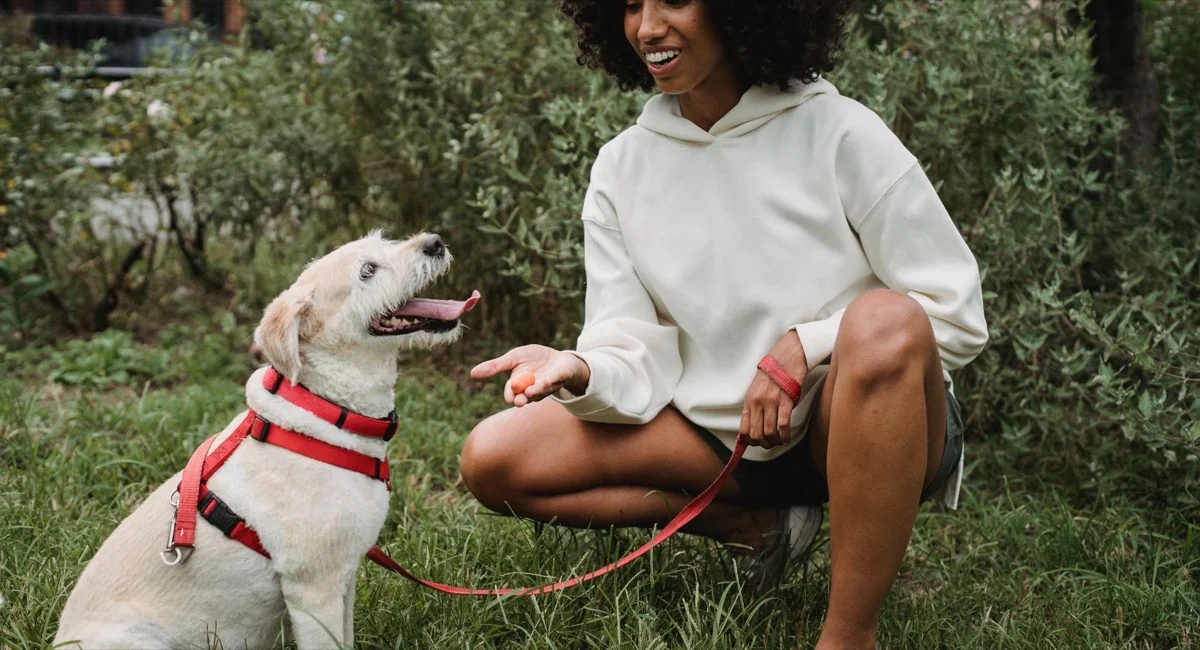
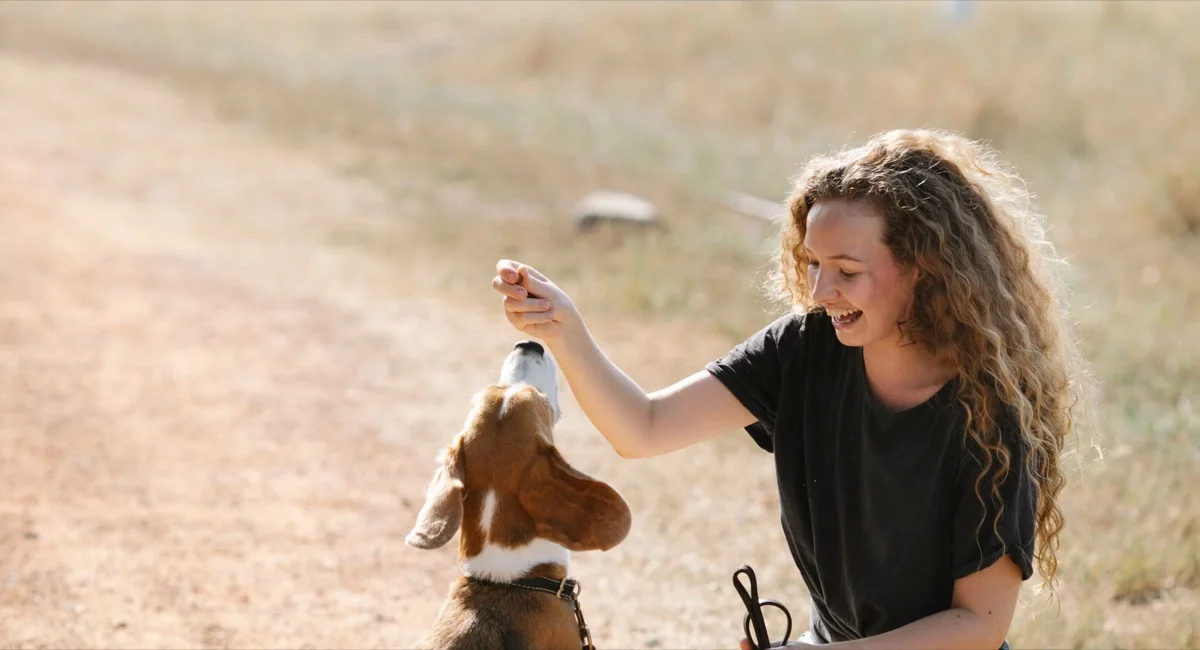
Starting with "Sit," is often the first command that new dog owners choose to teach. It’s simple yet powerful; it establishes a basic level of obedience and can be the gateway to teaching more complex commands. Use treats and positive reinforcement to motivate your puppy to learn quickly, ensuring that every successful sit is rewarded with praise or a tasty snack.
Once your puppy has mastered "Sit," you can transition to "Stay." This command is crucial for safety reasons and can prevent your dog from running into dangerous situations. To successfully teach "Stay," begin in a low-distraction environment, gradually increasing distractions as your puppy becomes more confident.
Consistency is key in dog training, and regular short practice sessions are more effective than longer, sporadic ones. Patience and repetition will help reinforce this command until your puppy understands that staying in place is what is expected of them.
The "Come" command is perhaps the most critical of all, serving as a safety net in various situations. It's vital that you can call your dog back to you, especially in potentially dangerous or distracting situations. Start by calling your puppy from a short distance, using a cheerful tone and offering a reward when they respond.
With time and positive feedback, your dog will excel in dog recall training. Incorporating play into this command can also enhance its effectiveness; a fun game of fetch can reinforce the idea that coming to you is rewarding and enjoyable.
Incorporating these foundational commands early in your training routine will aid in toilet training your puppy as well. By establishing clear communication through commands, you can guide your puppy to the appropriate times and places to relieve themselves.
Each successful instance of responding to your commands can bolster their sense of accomplishment and strengthen your bond, creating a well-behaved dog that understands the nuances of obedience. As you master these techniques, you’ll not only have a happier, more responsive pet but also a deeper connection built on trust and understanding.
Leash Training Fundamentals
Learning to walk on a leash is a key part of k9 dog training. Start by teaching your dog to walk beside you without pulling. Reward them for staying close. As they get better, add distractions and practice in different places. Always be patient and consistent with a well-behaved walking partner. Leash training is an essential skill that every dog owner should prioritize to ensure enjoyable walks for both the dog and the owner. It begins with teaching your puppy to walk beside you without pulling.
To achieve this, start in a quiet environment where distractions are minimal. As your dog walks beside you, reward them with praise or treats for staying close. This positive reinforcement will encourage them to associate good behaviour on the leash with enjoyable experiences. As your puppy becomes more accustomed to walking next to you, gradually introduce distractions and practice in different locations, such as parks or busy streets.
Consistency is key during leash training; it helps reinforce desired behaviours and ensures your dog understands the boundaries. Use a well-fitted harness or collar to give you better control, and remember to remain patient throughout the process.
Different breeds may react differently to leash training, so it's crucial to adapt your techniques to fit your dog’s personality and energy level. For puppies still undergoing toilet training, consistent routines, including regular potty breaks during your walks, will help reinforce good habits while allowing them to explore their surroundings.
In addition to leash training, utilizing dog crates can also be beneficial in teaching your pet about boundaries and security. A crate serves as a safe haven for your dog where they can relax and feel secure. When training your dog with a crate, make sure to combine it with positive reinforcement to establish a positive association. A well-adjusted dog will feel more comfortable both at home and on the leash, leading to a calmer demeanour during walks.
For those dealing with dogs that might be reactive when outdoors, it's essential to integrate dog training for reactive dogs into your leash training regimen. Focus on desensitising your dog to common triggers while maintaining control of the leash to ensure safety.
Start with gradual exposures to distractions and gradually build them up as your dog becomes more relaxed. With dedication, clear communication, and commitment to training, you will cultivate a leash-walking experience that is positive, enjoyable, and rewarding for both you and your canine companion.
Teaching Proper Walking Etiquette
- Avoid letting your dog pull or lunge at others, animals, or things.
- Teach them to walk on a loose leash, at a steady, relaxed pace.
- Practice stopping and changing directions to keep your dog's attention on you.
- Give treats and/or praise for calm, focused behaviour.
By teaching these basic commands and obedience skills, you set the stage for a well-behaved dog. With time and patience, your dog will become a wonderful companion, ready for more advanced training.
TOP QUALITY! If you've been looking for premium natural dog treats that won't break the bank then your search is over! That's because the only ingredients in their training treats are freshly prepared chicken, duck and turkey meat (80%) and potato & sweet potato (20%) which means a healthier happier doggy - intended
4.6 out of 5 stars 12,427 ratings
Housebreaking Your Puppy Successfully
Housebreaking, or toilet training, is a key part of raising a well-behaved puppy. It needs patience, consistency, and knowing your puppy's needs. We'll share tips to help you house-train your puppy, making your home clean and peaceful.
Start by setting a routine for your puppy. Puppies like knowing what to expect. Pick specific spots and times for them to go outside. Watch for signs they need to go, and praise them when they do it right.
A big factor that most trainers or "experts" won't disclose is to place your pup where you want them to pee as soon as they wake up. Firstly, just like us, dogs like a pee when they wake up, it's routine! Secondly, it creates a procedural memory for them to remember. Ideally, that place you choose will be outside or as close to outside as possible during the first weeks at home, until vaccinations begin to work, and the weather is suitable.
Consistency is key, but so is keeping an eye on your puppy. Crate training helps when you can't watch them. It keeps them safe and teaches them to wait for their next break.
- Establish a consistent routine for outdoor breaks
- Practice procedural memory with your pup.
- Observe your puppy's body language to anticipate their needs
- Reward your puppy with praise and treats when they eliminate in the right place
- Utilise crate training to prevent accidents and reinforce the desired behaviour
Housebreaking your puppy is a crucial step in establishing a harmonious relationship between you and your new furry friend. Toilet training a puppy can seem daunting at first, but with patience and consistency, it becomes manageable.
Taking your puppy outside to the designated bathroom area frequently—especially after meals, playtime, or upon waking—is essential. Rewarding your puppy with praise or treats immediately after they go potty outside helps reinforce the desired behaviour, making it clear what you expect from them.
One of the most effective tools in housebreaking is the use of dog crates. When used correctly, a crate can provide your puppy with a safe and secure space while also encouraging them to hold their bladder. Puppies have a natural instinct not to soil their sleeping area, so keeping them in a crate for short durations can help establish a routine that supports their toilet training.
Just remember to choose a crate that is appropriately sized—large enough for your puppy to stand and turn around but not so big that they can use one corner as a bathroom.
Consistency is vital when it comes to preventing accidents in the house. Make sure everyone in your household follows the same routines and commands, and be prepared to take your puppy outside at a moment’s notice (THIS IS VITAL).
Additionally, keeping an eye on your puppy indoors can help you catch signs that they need to go out. If you see your pup sniffing around or circling, promptly take them outside to avoid any mishaps.
While you’re focused on housebreaking, it’s also essential to address any unwanted behaviors, like biting. Puppies naturally explore the world with their mouths, but teaching them to stop puppy biting is crucial for their development.
Provide appropriate chew toys and redirect their biting behaviour when it occurs. This not only helps to curb potential issues in the future but also creates a positive and reinforcing experience for both of you.
Remember, every puppy is different, and housebreaking takes time. Stick to these strategies, and you’ll have a clean and well-trained puppy soon.
Dog Training: Professional Methods and Techniques
We all want our dogs to be well-behaved and fun to be around. Luckily, there are many professional dog training methods and techniques to help. We'll look at positive reinforcement, clicker training, and how to handle unwanted behaviours.
Positive Reinforcement Strategies
Positive reinforcement is key in dog training. It rewards good behaviour with treats, praise, or play. This method is kind and very effective in strengthening your bond with your dog. It's the best approach for dog training courses and for reactive dogs.
Clicker Training Basics
Clicker training is a powerful way to communicate with your dog. It uses a small device that makes a "click" sound to mark good behaviour. This method is great used by Southend Dog Training because it gives instant feedback and reinforcement.
Dealing with Unwanted Behaviours
Dogs can sometimes show unwanted behaviours like barking, jumping, or digging. It's crucial to address these with patience and consistency. Use positive reinforcement, redirection, and gentle correction to help your dog learn better behaviour.
Every dog is different, so what works for one might not work for another. Be flexible and try different methods to find what suits your dog best. With the right training and patience, you can turn your dog into a well-behaved, happy friend.
Crate Training and Creating Safe Spaces
Crate training is key for a well-behaved puppy. It's a valuable tool and a safe, comfy space for them. We'll show you how to crate train and make a cosy, secure area for your dog.
For successful crate training, make it a positive experience for your puppy. Start by introducing the crate slowly. Fill it with comfy bedding, toys, and treats. Let your pup explore the crate at their own pace, never forcing them inside. Gradually increase the crate time, linking it to positive reinforcement and safety.
- Introduce the crate slowly, making it a positive experience.
- Fill the crate with comfortable bedding, toys, and treats.
- Encourage your puppy to explore the crate on their own terms.
- Gradually increase the time your pup spends in the crate.
- Use the crate as a training tool, not a punishment.
Creating safe spaces in your home is also vital for your puppy's well-being. Set up specific areas for your pup to rest, like a cosy corner or a dedicated bed. These spots should be away from busy areas, loud noises, and dangers. This lets your dog feel safe and relaxed.
"A well-trained puppy is a happy, confident puppy. Crate training and creating safe spaces are crucial steps in building a strong foundation for your dog's development."
By following these tips, you'll effectively crate train a puppy and give them the residential dog training they need to thrive at home.
Advanced Training and Specialised Skills
Once you've learned the basics of dog training, it's time to get into more advanced techniques. We'll explore dog agility training, teach complex tricks, and talk about off-leash reliability.
Agility Training Foundations
Dog agility training is great for your dog's physical and mental health. It involves an obstacle course with jumps, tunnels, and weave poles. This builds a stronger bond between you and your dog.
Start by introducing your dog to basic agility equipment. Use positive reinforcement to help them feel confident and excited.
Teaching Complex Tricks
Teach your dog more than just "sit" and "stay". You can teach them tricks like rolling over or playing dead. These tricks are fun and good for your dog's brain.
Start with simple tricks and add more as you go. Use clicker training and treats to reward your dog's progress.
Off-Leash Reliability
Off-leash reliability is a big goal for many dog owners. It lets your dog move freely while still listening to you. With consistent training, you can teach your dog to agility training for dogs and follow commands without a leash.
This skill gives your dog more freedom and independence. It also keeps them safe.
Advanced training and special skills need time and effort. But the benefits are huge. You'll strengthen your bond, challenge your dog's mind, and open up new possibilities.
Addressing Common Puppy Problems
Raising a puppy is rewarding but comes with challenges. Issues like puppy biting and reactivity are common. But, with the right training and patience, you can solve these problems.
Curbing Puppy Biting
Puppies love to bite and chew on everything. It's natural but needs to stop. Give them chew toys, redirect their bites, and praise them for not biting.
Managing Reactivity
Some puppies get too excited or scared in new situations. Slowly introduce them to new things. Use desensitisation training and stay patient and consistent.
- Introduce new stimuli in a controlled, positive manner
- Reward calm behaviour with treats and praise
- Consult a professional trainer if reactivity persists
By tackling these issues, you'll raise a well-adjusted puppy. Remember, being consistent and patient is crucial. With the right approach, you can handle any challenge.
"The key to managing any puppy problem is to be proactive, consistent, and patient. With the right techniques, you'll be able to shape your pup's behaviour and set them up for success."
Conclusion
Let's sum up the main points from our guide on dog training. Raising a well-behaved family dog needs patience, consistency, and the right techniques. You now know how to help your puppy become a wonderful part of your family.
Dog training is a journey that never ends. With time and effort, your puppy will grow into a well-behaved family member. Enjoy the ups and downs, as they're all part of the fun of training a dog.
I want to leave you with one reminder from this article. CONSISTENCY.
Be consistent and be united as a family in being consistent. Your pup will reward you with a stress-free life and they will grow into well-rounded dog.
With what you've learned, you're ready to build a great bond with your puppy. Enjoy every moment and may your days be filled with happiness from a well-trained, happy pup!
Sláinte,
Conor
Table of Contents
- Key Takeaways
- Critical Socialisation Periods
- Reading Puppy Body Language
- Common Behavioural Challenges
- Mastering Sit, Stay and Come
- Leash Training Fundamentals
- Teaching Proper Walking Etiquette
- Positive Reinforcement Strategies
- Clicker Training Basics
- Dealing with Unwanted Behaviours
- Agility Training Foundations
- Teaching Complex Tricks
- Off-Leash Reliability
- Curbing Puppy Biting
- Managing Reactivity
- What are the best dog training treats to use?
- How do I stop my puppy from biting?
- What are the best breeds for families with children?
- How do I crate train my puppy successfully?
- What are the key commands I should teach my dog?
- How do I train my dog to have a reliable recall?
- What are the benefits of positive reinforcement training?
- How can I address my dog's reactivity issues?
- What is the most important in training a puppy?
FAQ
What are the best dog training treats to use?
The top dog training treats are small and very tempting for your dog. Good options include cooked chicken, cheese, or special training treats. These treats are designed to motivate your dog during training.
How do I stop my puppy from biting?
Stopping puppy biting needs the right training. Redirect their biting to chew toys. Reward them when they choose toys over your hands or clothes.
What are the best breeds for families with children?
Great family dog breeds include Labradors, Golden Retrievers, Beagles, Bulldogs, and Cavalier King Charles Spaniels. They are known for being gentle, loving, and patient. This makes them perfect for homes with kids.
How do I crate train my puppy successfully?
Crate training is key for a well-behaved puppy. Start by making the crate a safe, positive space. Increase crate time slowly, ensuring water and comfy bedding. Being consistent and patient is crucial.
What are the key commands I should teach my dog?
Teach your dog basic commands like sit, stay, come, heel, and down. These commands are the foundation for more advanced training. They help you communicate and control your dog.
How do I train my dog to have a reliable recall?
A strong recall is vital for your dog's safety and your peace of mind. Use treats and increase distance and distractions in training. Consistency and patience are essential for a reliable recall.
What are the benefits of positive reinforcement training?
Positive reinforcement training rewards good behaviour, not bad. It strengthens your bond with your dog, boosts their learning motivation, and leads to better results than traditional methods.
How can I address my dog's reactivity issues?
Handling a reactive dog requires the right training. Use positive reinforcement, gradually introduce triggers, and work with a behaviourist or trainer. This approach can help your dog overcome reactivity.
What is the most important in training a puppy?
Consistency. As long as you follow correct guidelines and tips, consistency will be the biggest factor. Do it wrong, it becomes a bigger hill to climb when retraining the pup.
Sources and further reading
These sources support the health, welfare, behaviour or legal points in this guide. They do not turn a general article into individual professional advice.
Sources I checked for this editorial review
I reviewed the following professional or official starting points on 1 August 2026. They support the general principles in this article; they do not replace advice based on an individual dog.