Puppy Care
The Puppy Socialisation Window: Confidence Without Overwhelm
My answer first
I wrote this guide to give owners a practical starting point: A practical Canine Maverick guide to building confidence through safe, positive and carefully paced experiences.
My scope: I am sharing general owner education from my experience. I am not diagnosing an individual dog or replacing veterinary, behaviour or legal advice.
Socialisation is not a meeting quota
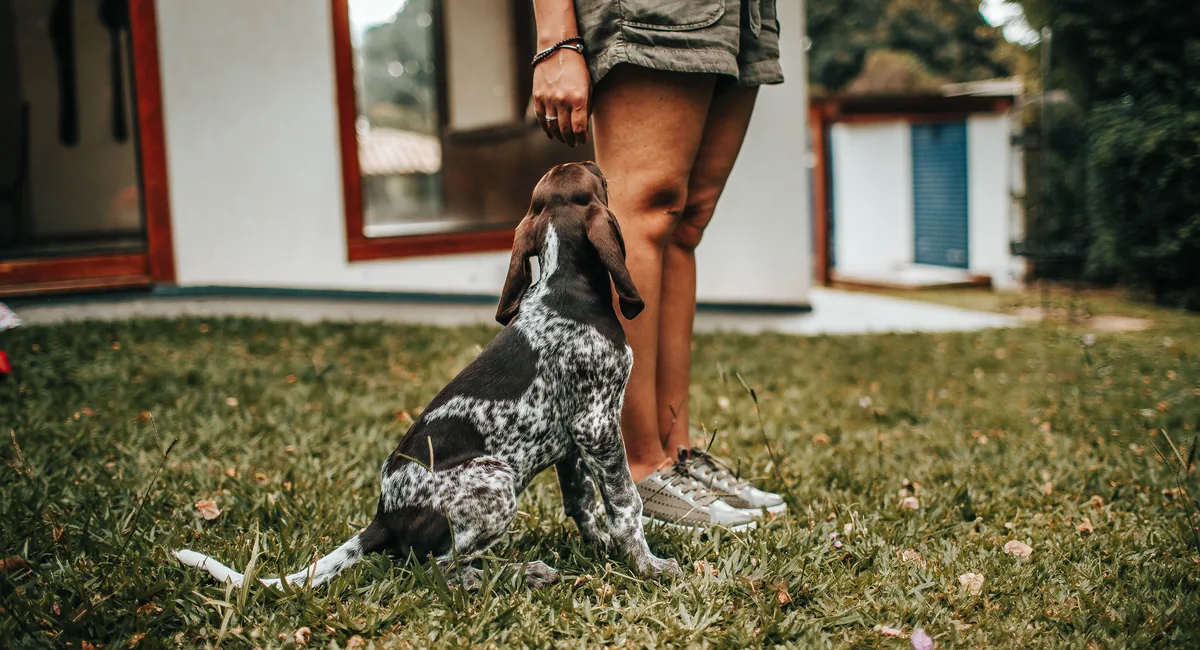
My starting point is simple. Good socialisation helps a puppy learn that ordinary life is safe and manageable. It does not mean handing the puppy to everyone, visiting a crowded dog park or forcing contact. Pair new sights, sounds, surfaces, people and handling with distance, choice, food and rest.
Protect confidence during the sensitive period
This is the order I would work through:
- Choose one small experience and begin far enough away for the puppy to eat and explore.
- Let the puppy approach or retreat instead of pulling them closer.
- Keep sessions brief and protect sleep afterwards.
- Record what the puppy noticed and how quickly normal behaviour returned.
Quality beats quantity
I use the dog’s response and the level of risk—not pride, pressure or a fixed timetable—to choose my next step.
| What I notice | What I would do next |
|---|---|
| Loose body, curiosity and taking food | Continue briefly, then finish while it is easy. |
| Hesitation but able to disengage and recover | Increase distance and lower intensity. |
| Freezing, hiding, frantic escape or refusing familiar food | End the exposure and seek qualified help if the pattern persists. |
Record recovery, not just exposure
Mistakes I would avoid
- Flooding the puppy with visitors
- Using unknown dogs as “teachers”
- Punishing fear or barking
- Ignoring vaccination advice from your vet
Build the skill around sleep, toileting and confidence
With puppies, I fit the advice in “The Puppy Socialisation Window: Confidence Without Overwhelm” around the puppy’s real biological needs rather than an adult timetable. Tired puppies become bitey, frantic and less able to learn, while a puppy that urgently needs the toilet cannot concentrate on a lesson. Choose one small experience and begin far enough away for the puppy to eat and explore. I keep the task short, follow it with calm recovery and make sure every adult uses the same cue and destination. That simple household agreement prevents the puppy receiving several incompatible lessons in one day.
A realistic example
Imagine a puppy wakes after a nap, goes straight to the toilet area, succeeds and then has two minutes of gentle learning. That sequence gives me a predictable opportunity without waiting for a mistake. Let the puppy approach or retreat instead of pulling them closer. If the puppy starts grabbing clothing, zooming or avoiding the setup, I do not label the puppy stubborn; I check sleep, arousal, hunger, discomfort and whether I made the step too difficult.
What I record and why
I use a short daily note for sleep, meals, toileting, new experiences and recovery. The useful sign is loose body, curiosity and taking food; then continue briefly, then finish while it is easy. A record also helps me notice a health change early. Sudden house-soiling, appetite change, diarrhoea, pain or an abrupt behaviour shift deserves a veterinary conversation rather than another round of stricter training.
My seven-day reset
For “The Puppy Socialisation Window: Confidence Without Overwhelm”, I use a week as a review window, not as a promise that the issue will be solved in seven days. The aim is to replace guesswork with a calm baseline and a repeatable next step.
- Day 1: Write down the baseline for “The Puppy Socialisation Window: Confidence Without Overwhelm” before changing anything.
- Day 2: Choose one small experience and begin far enough away for the puppy to eat and explore.
- Day 3: Repeat the easiest useful step and finish while the dog is coping.
- Day 4: Review the environment, timing and every person involved.
- Day 5: Let the puppy approach or retreat instead of pulling them closer.
- Day 6: Keep sessions brief and protect sleep afterwards.
- Day 7: Compare the week with the baseline and choose one next adjustment.
How I keep the advice safe
While applying “The Puppy Socialisation Window: Confidence Without Overwhelm”, I stop if the dog becomes distressed, painful, unusually quiet, unable to recover or unsafe to handle. I do not use a website article to diagnose disease, settle a legal case or design an individual behaviour programme. I use it to prepare better questions, improve immediate management and recognise when my vet, an appropriately qualified behaviour professional or a solicitor needs to see the individual facts.
The questions I use before changing the plan
I keep my review of “The Puppy Socialisation Window: Confidence Without Overwhelm” specific to the dog in front of me. My first practical anchor is: Choose one small experience and begin far enough away for the puppy to eat and explore. From there I compare the response with the original baseline, not with somebody else’s highlight reel. If loose body, curiosity and taking food, I would continue briefly, then finish while it is easy. I also look for unintended effects: a plan that improves one behaviour while increasing fear, pain or household risk is not a successful plan.
- How much sleep had the puppy had?
- When did the puppy last eat and toilet?
- Was the new experience voluntary?
- How quickly did normal play or rest return?
- What will every carer repeat tomorrow?
I share my notes from “The Puppy Socialisation Window: Confidence Without Overwhelm” with the relevant professional when the issue is medical, legally sensitive or carries a realistic risk to people or animals. Clear dates, short descriptions and photographs or video—taken only when safe—help another person understand the sequence. They also stop me quietly rewriting the story after a good or bad day. That honesty is central to how I want Canine Maverick guidance to work.
Sources I checked and further reading
I checked these sources on 1 August 2026. Product availability, law and professional guidance can change, so I always follow the linked source for current details.
Sláinte,
Conor