Training & Behaviour
Reducing Dog-Bite Risk: Body Language, Distance and Safer Choices
What this guide is for
Reduce bite risk by helping readers notice context and early warning signals, create distance and seek qualified help.
Scope: This is practical owner education, not a diagnosis, behaviour assessment or legal opinion. Use the warning signs and decision points here to know when qualified help is the right next step.
Introduction
Every year, about 7,000 people go to hospital because of dog bites in the UK. Because more people own dogs, it's key we learn about preventing dog bites. That's why National Dog Bite Awareness Week teaches how to stay safe around dogs. I'll share tips on avoiding dog bites.
I can categorically tell you here that 95%+ of dog bites occur due to human error, provocation and the dog being threatened in some way. This can stem from anything such as, a window cleaner's ladder banging on the ground and startling a dog, to over confident people getting in an unfamiliar dog's face. Recipes for hurt.
Over the years I've often been asked; how do you stop your dog from biting? For me, it's an easy answer; well-planned and balanced training along with displaying a calm and confident presence. This provides my dogs with the confidence that I know what I'm doing, and in turn, they feel safe. When putting a dog through protection training, "taking the bite" is one of the aspects they'll need to encounter.
What people don't understand is that the bite is the last aspect that takes place during protection training. Also, the release command is practised more than most other aspects of the training programme (or, it should be anyway!). Why is this important? Because people automatically assume that protection dogs are vicious and dangerous. When in fact, they're the opposite and it's vital to recognise this.
Most biting problems begin when the puppy first comes home and starts using the furniture and their owner's hands as chew toys. If not addressed quickly, this can manifest into the dog's only way of communication. When this occurs, you've let your dog down. That might sound harsh, but it's true.
That all being said, more non-dog owners ask the same question, simply being scared to death of dogs and getting bit. Being a dog-lover I want everyone to love dogs, so answering the question for them is probably more important in my eyes. So, if you want to know:
1. How to stop puppy biting fast.
2. How to stop your dog from biting?
3. How do you stop a dog from biting?
4. Avoid dog bites in all situations.
5. How to approach dogs you don't know, avoiding getting bitten.
6. Behavioural tips when approaching or passing dogs.
7. De-escalation tactics in the face of an imminent threat.
. and much more, read on as I cover all areas that you need to keep yourself safe.
Key Takeaways:
- Understanding dog behaviour is essential for preventing bites.
- Recognising warning signs of aggression can help you avoid potentially dangerous situations.
- Use vocal cues and body language effectively to communicate with dogs and prevent bites.
- Carry the right tools to keep dogs at bay and protect yourself.
- Choose safer routes and be aware of potential dog encounter risks.
Table of Contents
- Introduction
- Key Takeaways:
- Understanding Dog Behaviour to Prevent Bites
- Recognising Warning Signs of Aggression
- Canine Body Language Cues to Look Out For
- Common Myths About Dog Body Language Debunked
- Practical Tips for Walkers and Joggers
- Best Practices for Routine Walks in Known Dog Areas
- Using Distraction Techniques to Defuse Tense Encounters
- Carrying the Right Tools to Keep Dogs at Bay
- Whistles
- Treats
- Spray Bottles
- Deterrent Devices
- How Vocal Cues and Body Language Can Prevent Bites
- Strategies to Deflect an Aggressive Dog
- Choosing Safer Routes: Minimising Dog Encounter Risks
- Safe Approaches: Interacting With Dogs the Right Way
- Asking for Owner Consent
- Behavioural Tips When Approaching or Passing Dogs
- Reading the 'Tell-Tail' Signs of Canine Disposition
- De-escalation Tactics in the Face of an Imminent Threat
- Special Considerations for Children and Dog Safety
- How to Avoid a Dog Bite in Any Situation
- My Conclusion
- FAQ Section
- Source Links
Understanding Dog Behaviour to Prevent Bites
Understanding how dogs behave is key to preventing bites. They show how they feel through body language. By knowing these signs, we can steer clear of danger. We'll look at aggression signs, dog body language, and clear up myths.
Recognising Warning Signs of Aggression
To stop dog bites, spotting aggression signs is crucial. Look out for growling, raised fur, stiff bodies, and snapping. These behaviours mean a dog needs space and should not be provoked. Knowing these signs can help stop a bite before it happens.
Canine Body Language Cues to Look Out For
Dog body language helps us know their mood. They use tail wags, ear positions, and eye contact to show how they feel. A wagging tail doesn't always mean they're friendly. Ears up can mean alertness, while flat ears show fear. Avoid staring as it can threaten them.
Common Myths About Dog Body Language Debunked
Many myths exist about dog body language. It's vital to know the truth to prevent bites. Some myths include a wagging tail means happiness, bared teeth show aggression and a crouching dog wants to be petted. Understanding real dog cues helps us make safer choices.
Practical Tips for Walkers and Joggers
Walking or jogging is a great way to stay fit and enjoy the outdoors, but it can also come with its fair share of challenges. One of the most common issues faced by walkers and joggers is encountering dogs that bite. Whether you are a regular walker or just starting out, it's important to know how to handle such situations to keep yourself safe. So, how do you get a dog to stop biting? Here are a few practical tips to help you out.
First and foremost, it's essential to stay calm and avoid panicking when confronted by an angry looking dog. Dogs can sense fear and anxiety, which may only escalate the situation. Instead, try to stand your ground, avoid making any sudden movements, and maintain eye contact with the dog. This sends a message that you are confident and not to be messed with. Additionally, remember not to scream or shout at the dog, as this can further agitate them.
Another effective technique is to distract the dog with an object or a loud noise. Carry a small can of pepper spray or a personal alarm that can create a loud sound. These tools can serve as a deterrent and make the dog reconsider its aggressive behaviour. If you don't have these items available, you can also try throwing a water bottle or a handful of pebbles towards the dog. The sudden noise and movement should help divert its attention away from you.
Prevention is always better than cure, so it's important to take proactive measures to avoid dog attacks altogether. Try to be aware of your surroundings and avoid areas where stray or aggressive dogs are known to frequent. If you come across a dog that seems aggressive or territorial, it's best to take a different route and give them a wide berth. Additionally, consider carrying a walking stick or umbrella, which can be used to create a physical barrier between you and the dog if necessary.
Knowing how to stop a dog from biting you is crucial for walkers and joggers. By staying calm, using distractions, and being proactive, you can reduce the chances of a dog attack while enjoying your outdoor activities. Always prioritise your safety and take necessary precautions to ensure a pleasant walking or jogging experience.
Best Practices for Routine Walks in Known Dog Areas
Walking or jogging in dog-populated areas requires caution. To make your outings safer and more enjoyable, follow these simple tips:
- Keep a safe distance: It's best to stay away from dogs, especially if they seem anxious.
- Alert owners about excitable dogs: If you see a dog getting too excited, kindly let the owner know.
- Look out for colour-coded warning tags: Dogs might wear tags or bandanas showing they need space. Pay attention to these signs.
Using Distraction Techniques to Defuse Tense Encounters
If a dog gets agitated or aggressive, distraction can help. Here are effective ways to keep things calm:
- Carry treats: Dog-friendly snacks can distract an approaching dog, making the encounter smoother.
- Carry a whistle or spray bottle: In threatening situations, a whistle or water spray helps keep an aggressive dog at bay.
Use these tips and distraction methods to avoid dog bites during your walks or jogs. They’ll help you have a safer time with nearby dogs.
Carrying the Right Tools to Keep Dogs at Bay
Carrying the right tools is crucial for staying safe around dogs. These tools can prevent bites. Make sure you can use them well.
Whistles
A whistle can be a great way to keep dogs away. Its high-pitched sound may scare a dog. Always have a whistle when walking or jogging for safety.
Treats
Treats can distract a dog that seems unfriendly. Offering a treat shifts its focus. This can calm the situation.
Spray Bottles
A spray bottle with water can stop dogs. Most dogs don't like being sprayed. Keep one ready to maintain distance.
Deterrent Devices
Many devices can deter dogs. They use sounds or lights dogs don't like but are safe. Having one adds to your protection against aggressive dogs.
Keeping these tools with you increases your safety. Learn how to use them correctly. And always have them within reach.
How Vocal Cues and Body Language Can Prevent Bites
Vocal cues and body language are key in avoiding dog bites. Clear and assertive commands can stop an attack. Using words like "stop," "off," and "leave it" can change a dog's actions. It's important to use these commands with confidence to set clear boundaries.
Non-verbal signals are also crucial during dog encounters. A calm and firm stance shows confidence, which can calm the dog. It's best to avoid direct eye contact, as dogs may see this as a threat.
Gentle gestures matter too. Move slowly to build trust with a nervous dog. Letting a dog sniff your hand, palm down, is a friendly sign. Always be patient and avoid quick movements that could scare the dog.
Strategies to Deflect an Aggressive Dog
If an aggressive dog comes near, knowing how to deflect and protect oneself is vital. We'll discuss strategies and self-defense skills for handling aggressive dogs. These include making a barrier, using strong voice commands, and backing away slowly to not make things worse.
Staying calm is key when you meet an aggressive dog. A good strategy is to use something like a bag, umbrella, or bike to make a barrier. This can stop the dog from getting too close.
Strong vocal commands can help keep an aggressive dog at bay. Say "No," "Go away," or "Back off" firmly. This shows you're in charge and sets limits with the dog.
Backing away slowly helps in dealing with an aggressive dog too. Move carefully to not seem like a threat. Keep looking at the dog as you move back.
The main goal is to not make the dog more aggressive. Avoid screaming, running, or quick moves. Stay calm and sure of yourself. Focus on getting away safely.
Choosing Safer Routes: Minimising Dog Encounter Risks
Choosing safe paths is key to avoiding dog bites. Being aware helps you dodge aggressive or stray dogs. Here's what to do:
- Avoid areas known for aggressive or loose dogs
- Stay aware of your surroundings to spot potential dangers
- Cross the street to create distance from dogs, if necessary
Choose routes away from risky spots to avoid dogs. This is vital to keep safe while outside.
Safe Approaches: Interacting With Dogs the Right Way
When you're around dogs, safety and respect are key to avoid bites. We'll show how to ask the owner before approaching a dog and share tips for safe interactions. These tips can help prevent bites and make meetings with dogs positive.
Asking for Owner Consent
Always ask the dog's owner before you approach. This shows respect to the owner and the dog. Some dogs might not feel okay with strangers. It's vital to accept the owner's decision if they say no. Getting consent makes things safer and more comfortable for you and the dog.
Behavioural Tips When Approaching or Passing Dogs
Keep these important tips in mind for a good time with dogs:
- Avoid sudden movements or loud noises that may startle the dog.
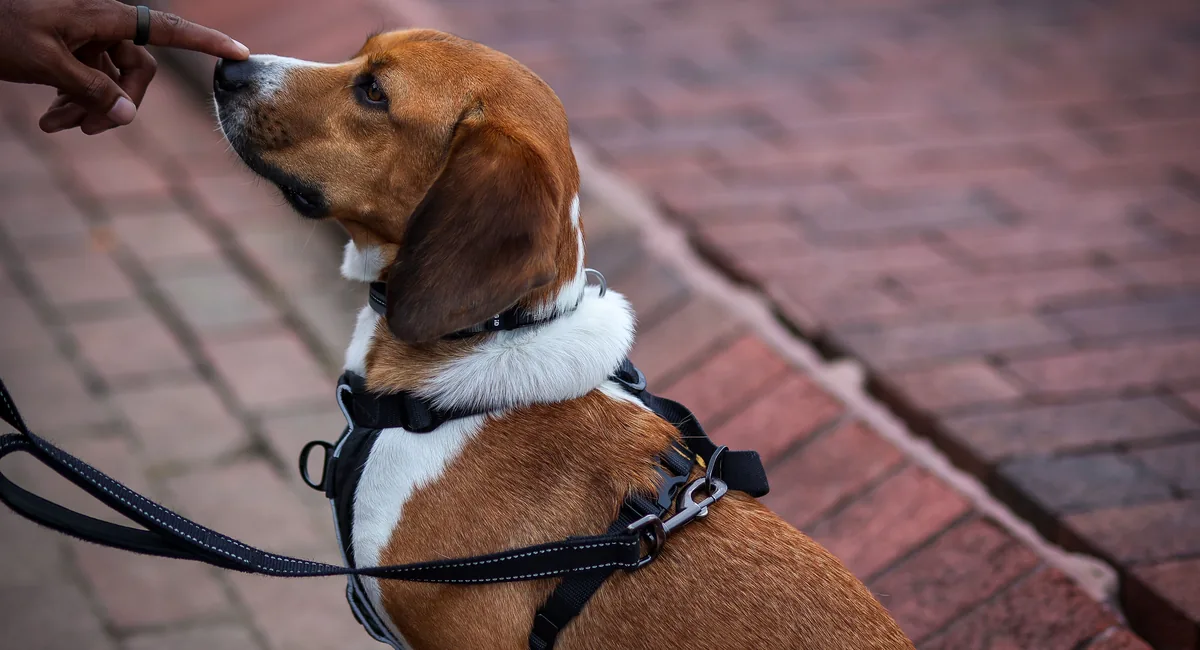
- Offer a closed hand for the dog to sniff, allowing them to familiarise themselves with your scent.
- Maintain a calm and relaxed demeanour, as dogs are sensitive to human emotions.
- Respect the appropriate distance the dog is comfortable with, giving them space if they show signs of discomfort.
- Observe the dog's body language for any signs of fear or aggression, such as raised fur, growling, or rigid body posture.
- Do not approach or pull away from a dog abruptly; instead, move slowly and smoothly to avoid startling them.
Dogs are all different and their reactions can change. Being aware of their body language and reacting properly, you can ensure a positive and safe interaction for both you and the dog.
Reading the 'Tell-Tail' Signs of Canine Disposition
Knowing how a dog feels is crucial to prevent bites. They show their emotions with tail and ear positions, facial expressions, and body language. By understanding these signs, you can know a dog's mood and act safely.
When looking at a dog's mood, note these signs:
- Tail position: A gently wagging tail means the dog is friendly. A stiff, raised tail can show aggression.
- Ear position: If ears are up and forward, the dog is alert or interested. Flattened ears mean fear or aggression.
- Facial expressions: A calm dog has a relaxed mouth with a slightly open tongue. But bared teeth or a tense mouth suggest aggression or discomfort.
- Body language: A friendly dog has a loose posture and wags its tail. A stiff body and raised hackles mean aggression or fear.
Looking at all these signs together gives a clearer picture of a dog's mood. But, remember to consider the dog’s breed, personality, and the situation.
It's vital to be cautious when approaching dogs, especially new ones. Spotting 'tell-tail' signs helps in making safe choices and avoiding bites.
Conor Dwyer
De-escalation Tactics in the Face of an Imminent Threat
If you are about to be bitten by a dog, knowing how to calm things down is key. The right actions can soften the aggression and prevent injury. Here's what you can do:
- Remain calm: Dogs pick up on fear. Staying cool shows confidence, stopping things from getting worse.
- Avoid sudden movements: Quick moves scare dogs, making them lash out. Move slowly to keep things under control.
- Use verbal cues: Calm, firm words can catch a dog's attention, lowering their aggression. Say "sit" or "stay" to manage the situation.
Every dog and situation is different. Always judge the moment before trying to calm things down. If the dog seems too aggressive, or the bite risk is high, your safety comes first. Get help from experts or animal control.
Conor Dwyer
To show how well different calming methods work, see this table:
Using these methods, you can lower the chance of a dog bite and stay safe in tense moments. Always put your safety first and seek advice from professionals if needed.
Special Considerations for Children and Dog Safety
When talking about children and dogs, it's vital to keep them safe from bites. To do this, children and dogs must be a major focus. For anyone looking after kids, watching them closely with dogs is a must. This includes being there and taking an active role during their interactions.
By watching them together, you can see how both the child and the dog act. You'll know when to step in. By doing this, you can stop bad things from happening before they start.
It's also very important to teach kids how to behave around dogs. They need to know the right way to approach and pet dogs. Like people, dogs need their own space and respect too.
Part of this is showing kids what to look out for to avoid angering a dog. Signs like growling, showing teeth, and rigid body are signals. Kids will then know when to leave a dog alone.
Kids also need to learn to always ask a dog's owner before going near. This means getting an OK before touching the dog. It teaches them about respect and keeps the dog at ease.
You make things safer for children and dogs by supervising and educating. Making sure kids know how to act around dogs is crucial. This way, we avoid accidents and help kids and dogs get along well.
TRAINING YOUR DOG CORRECTLY WILL HELP STOP THE DOG BITE STATISTIC GROWING
For How To Avoid a Dog Bite in Any Situation, begin with the ordinary day rather than the perfect one. Look at the dog’s sleep, appetite, movement, recovery and ability to settle. Those details give you a more honest starting point than a single dramatic moment. In dog-training, small changes are often the useful ones: shorten the session, make the environment easier and write down what actually happened. That gives you evidence to work with and makes it far easier to explain the situation clearly if you need professional help.
download for freeHow to Avoid a Dog Bite in Any Situation
Keeping people and dogs safe from bites is key. Learn from this article how to make that happen. Following our advice greatly lowers bite risks.
Start by knowing what's around you and how dogs act. Spot signs of dog aggression like growling and stiff bodies. Learn to read dogs' body signs, like their tail and ears, to understand their feelings.
Walkers and joggers can stop bites too. Stick to paths away from mean or unleashed dogs. Have whistles, treats, or sprays ready to keep dogs away.
Talking and moving the right way also prevents bites. Use commands such as "stop" to catch a dog's attention. Stay calm, stand firm, and avoid looking dogs in the eyes or moving quickly.
If a dog seems aggressive, knowing how to defend yourself is vital. Put something between you and the dog. Use a loud voice, and back off slowly to stay safe.
Choosing safe paths helps avoid dog bites. Avoid places with many dogs. Cross the street or stay alert to keep clear of dogs.
Never approach dogs without the owner's okay. Move slowly, let them sniff a closed hand, and keep your distance.
Reading a dog's mood is crucial. Their tail and ear positions, face, and body tell you what they feel. This helps you know what to do.
In scary situations, knowing how to calm things down is key. Keep calm, don't make sudden moves, and use your voice to distract the dog.
Children need special attention to stay safe around dogs. Always watch them with dogs and teach them how to act safely.
By using these tips, you can cut down the risk of dog bites. This makes for safer, happier times with dogs, no matter the situation.
My Conclusion
As I previously alluded to in the introduction, I believe that all dog bites are humanly instigated in one way or another. Whether that be by the victim acting in a provocative manner, or the dog's owner being neglectful. Either way, it's us that facilitate the outcome.
The recent discussions about XL Bullies have brought up a lot of questions about breed ownership. While some argue for bans, I believe a focus on responsible ownership is key.
One concern is the image some XL Bully owners unintentionally project. At meetups, the focus can sometimes shift from celebrating the breed to showcasing overly muscular builds and aggressive stances. While these photos may be meant to be tough or impressive, they can contribute to misconceptions about the XL Bully temperament.
Focus on the Positive:
XL Bullies are loyal and loving companions, and many owners are dedicated to responsible breeding and training. Let's shift the conversation to highlight these positive aspects and promote best practices in ownership.
What can we do?
- Showcase well-trained dogs: Share photos and stories of XL Bullies excelling in obedience, therapy work, or simply being amazing family pets.
- Advocate for responsible breeding: Support breeders who prioritise temperament and health testing.
- Promote positive training methods: Highlight the power of positive reinforcement and socialisation in raising well-adjusted dogs.
The XL Bully community has a significant online presence, which offers a great opportunity to showcase the breed's positive qualities. However, some online content might unintentionally portray the breed in a way that doesn't reflect the temperament of most XL Bullies.
Getting back to the topic at hand; to avoid dog bites, understanding dog behaviour is key. We also need the right tools and knowledge on how to use them. Following the advice in this article can make meetings with dogs safer and more enjoyable.
Recognising the signs that a dog might be aggressive helps us avoid danger. Carrying things like whistles, treats, and deterrent devices can help keep dogs away if needed.
Speaking to dogs the right way and using the right body language is important. By staying calm and assertive, we can build trust and avoid tense situations. It's also smart to pick safer paths and know how to approach dogs safely.
Children are especially at risk of dog bites. It's important to watch over them when they're near dogs. Teaching children how to act around dogs can keep them safe from harm.
Essentially, educate yourself to keep protected if you're worried, scared, or end up in a potentially dangerous situation with a dog, and/or educate your dog. Train, train, and train. This is what will save you or others from dog bites.
Sláinte,
Conor
FAQ Section
Q1. What are some warning signs of aggression in dogs?
A. Dogs show aggression through growling and snapping. Their fur might stand up. They also may adopt a stiff posture.
Q2. What are some body language cues that dogs use to communicate their emotions?
A. Tail and ear positions tell us how dogs feel. The way they make eye contact is also important.
Q3. Are there any common myths about dog body language?
A. Yes, many myths about dog body language exist. It's crucial to bust these myths for better understanding.
Q4. What are some practical tips for walkers and joggers to avoid dog bites?
A. Walkers and joggers should keep away from unfamiliar dogs. Alerting owners about their dog's excitement helps. Carrying treats as distractions is also useful.
Q5. What tools should I carry to stay safe in dog encounters?
A. Carry a whistle and treats for safety in dog encounters. Spray bottles with water and deterrent devices are also good to have.
Q6. How can vocal cues and body language prevent dog bites?
A. Effective commands and calm body language can prevent bites. They help in building trust with dogs.
Q7. What strategies can I use to deflect an aggressive dog?
A. To handle an aggressive dog, create a barrier. Use firm vocal commands. Slowly back away without causing more tension.
Q8. What should I consider when choosing safer routes to minimise dog encounters?
A. Choose routes with fewer aggressive dogs. Crossing the street can increase distance from dogs. Always be aware of your surroundings.
Q9. How can I safely approach and interact with dogs?
A. Always ask the owner before approaching a dog. Offer your closed hand for the dog to sniff. Keep a safe distance.
Q10. How can I read the signs of a dog's disposition?
A. A dog's mood is shown through tail and ear position. Their facial expression and body language are also indicators.
Q11. What tactics can I use to de-escalate a tense situation with an aggressive dog?
A. To calm an aggressive dog, stay calm yourself. Avoid sudden moves. Use your voice to divert the dog's attention.
Q12. What special considerations should I take for children's safety around dogs?
A. Always watch children when they're around dogs. Teach them the right way to approach, stroke, and play with dogs.
Q13. How can I avoid a dog bite in any situation?
A. Avoiding dog bites demands being alert and knowledgeable. Follow the advice given here to stay safe.
Source Links
Sources and further reading
These sources support the health, welfare, behaviour or legal points in this guide. They do not turn a general article into individual professional advice.
Sources I checked for this editorial review
I reviewed the following professional or official starting points on 1 August 2026. They support the general principles in this article; they do not replace advice based on an individual dog.