Breed Central · Training & Behaviour
What is a Gundog? Purpose, Breeds, and Essential Training Tips
What this guide is for
Explain what gundogs were developed to do and how those inherited tendencies affect pet homes.
Scope: This is practical owner education, not a diagnosis, behaviour assessment or legal opinion. Use the warning signs and decision points here to know when qualified help is the right next step.
Introduction
Gundogs have helped hunters for centuries. Their skills and loyalty are key. If you're curious about these impressive dogs, you're in the right place.
In this article, I will look at what gundogs are and why they're important. I'll also talk about how to train them. Whether you already have a gundog or are thinking of getting one, this information will be helpful. You will learn to appreciate these dogs more and ensure they're happy. So, let's learn about the world of gundogs.
Key Takeaways:
- Gundogs have been an integral part of hunting for centuries.
- Understanding the definition and purpose of gundogs is crucial for their proper training and care.
- Gundogs require specific training in obedience, retrieving, and overall care to excel in their roles.
- Their loyalty, intelligence, and natural instincts make gundogs valuable hunting companions.
- By exploring gundog training essentials, you can strengthen the bond with your gundog and ensure their well-being.
Table of Contents
- Introduction
- Key Takeaways:
- Exploring the Gundog Definition and Its History
- Understanding the Quintessential Role of Gundogs in Hunting
- Identifying Key Gundog Characteristics and Behaviour
- What is a Gundog?
- The Fundamental Traits and Duties of Gundogs
- The Spectrum of Gundog Breeds: Spaniels, Retrievers, Pointers
- Dispelling Myths About Gundog Capabilities and Temperament
- Establishing the Gundog Training Foundation
- Starting Your Puppy on the Right Paw: Early Gundog Training
- Age-Appropriate Gundog Training Techniques
- Socialisation and Habituation in Gundog Puppies
- Fostering Excellence: Advanced Training for Gundogs
- Developing Proficient Retrieving Skills in Gundogs
- Teaching the Formal Retrieve
- Enhancing Memory Retrieves and Blind Retrieves
- Honing Obedience: Off-Lead Control and Heelwork
- Gun Dog Care: Managing the Health and Well-Being of Your Gundog
- Understanding Exercise Requirements for Gundog Puppies
- Recognising and Preventing Health Issues in Gundogs
- Selecting the Optimal Training Method for Your Gundog
- Positive Reinforcement: Building Trust and Obedience
- Avoiding Common Training Pitfalls and Misconceptions
- My Conclusion
- FAQ
- What is a gundog?
- What breeds are considered gundogs?
- What are the key characteristics of gundogs?
- How do I train a gundog?
- How important is gundog care?
- Source Links
Exploring the Gundog Definition and Its History
We will learn what a gundog is and look at its history. A gundog helps hunters by finding or fetching game. They are sometimes called gun dogs or bird dogs.
Gundogs have been around for a long time. Ancient Egypt mentioned them first. They were seen as loyal friends of pharaohs. In Europe, especially England, gundogs became important in the Renaissance.
Choosing the right breeds helped gundogs get better. They had to have good noses, fetching skills, and pointing abilities. Some well-known breeds are Labradors and Golden Retrievers.
With time, gundogs got even better through careful breeding. This improved their hunting skills and their behavior. Today, users find them very useful for hunting. They do many tasks like finding birds or getting prey.
Learning about gundogs shows us their big role in hunting through history. Next, we'll see how their natural skills are perfect for hunting.
Understanding the Quintessential Role of Gundogs in Hunting
Gundogs are key in hunting. They blend natural instinct and trained skills. They are excellent companions in hunting. Gundogs have abilities like scenting, pointing, flushing, and retrieving. These help make every hunt successful.
Gundogs are amazing at smelling. They can find and follow the scent of animals. This skill helps hunters find what they are looking for. Gundogs can smell many kinds of game. They are like expert sniffers in hunting.
Gundogs are also great at pointing. They freeze and point to where the game is. This helps hunters know where to look.
Gundogs can also flush out game. They use their speed to scare the game towards the hunters. This makes it easier for hunters to find their target.
Lastly, gundogs are good at retrieving. They can pick up game without hurting it. They bring it back to their handlers. This makes them helpful in hunting.
Gundogs are perfect hunting friends. They are smart, loyal, and easy to train. They work well with hunters in many scenarios. Gundogs make hunting better for everyone.
Identifying Key Gundog Characteristics and Behaviour
Gundogs have special traits and behaviors. These make them great hunting partners. Knowing these can help owners train and look after them better.
Intelligence: Gundogs are smart. This helps them learn and follow orders. They solve problems well, which makes training easy.
Trainability: They are also easy to train. They want to make their owners happy. This makes them open to learning new things.
Energy Levels: Gundogs are full of energy. This helps them work hard for a long time. It keeps them focused and driven.
Sociability: These dogs are friendly. They get along with other pets and people. This makes them great family pets and team players.
Gundogs are smart, easy to train, energetic, and friendly. These traits make them amazing pets and hunting partners.
What is a Gundog?
In this section, we'll dive into what makes gundogs special. We'll look at different kinds like Spaniels, Retrievers, and Pointers. We'll also tackle myths about them.
The Fundamental Traits and Duties of Gundogs
Gundogs are special because of certain traits. They're easy to train, eager to please, smart, and friendly. These qualities help them do their jobs well.
Their main jobs are to help hunters. Spaniels flush out birds, retrievers bring back game, and pointers find birds for hunters.
The Spectrum of Gundog Breeds: Spaniels, Retrievers, Pointers
We can group gundog breeds into spaniels, retrievers, and pointers. Each group has special skills.
- Spaniels: They are great at finding birds. They use their noses well.
- Retrievers: Their job is to fetch game carefully. They're gentle when carrying birds.
- Pointers: They locate and signal where birds are. They have a natural stance that alerts hunters.
Dispelling Myths About Gundog Capabilities and Temperament
Some people have the wrong idea about gundogs. Let's clear some things up:
- Aggression: Gundogs are not aggressive. They are friendly and make great pets.
- Lack of adaptability: It's not true that they only hunt. They can also be gentle pets.
- Energy levels: Although they are energetic, it's manageable. With enough exercise, they are calm and good companions.
Knowing the truth about gundogs helps us see their special qualities. This lets us care for and train them better.
FREE DOWNLOAD
For What is a Gundog? Purpose, Breeds, and Essential Training Tips, begin with the ordinary day rather than the perfect one. Look at the dog’s sleep, appetite, movement, recovery and ability to settle. Those details give you a more honest starting point than a single dramatic moment. In breed central, small changes are often the useful ones: shorten the session, make the environment easier and write down what actually happened. That gives you evidence to work with and makes it far easier to explain the situation clearly if you need professional help.
download for free nowEstablishing the Gundog Training Foundation
To ensure your gundog trains well, a strong foundation is key. This foundation prepares for all future training. It helps your gundog be well-behaved and listen.
Building trust and obedience is fundamental. Create a strong bond with your dog. Show them you’re the leader. This way, they'll respect and trust you. You'll communicate well with them.
Training routines are also crucial. Be consistent with your training. This makes sure your gundog follows commands well. They'll learn good habits. This stops confusion and bad behavior.
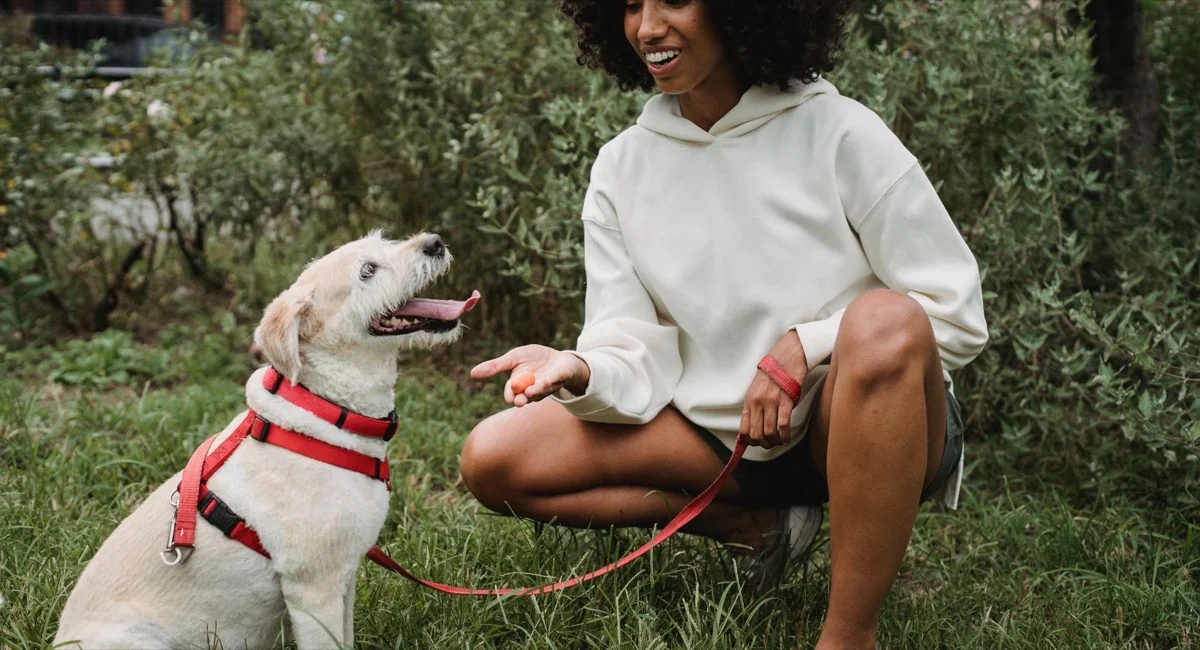
Creating a fun training environment is important too. Use rewards, praise, and treats. This motivates your gundog to learn. Training becomes fun for both of you.
Starting with a strong foundation is the first step. Focus on trust, routines, and fun. This prepares you for more training success with your gundog.
Starting Your Puppy on the Right Paw: Early Gundog Training
Early gundog training for puppies is very important. Starting training young helps create a strong base for their future.
Age-Appropriate Gundog Training Techniques
It's key to use the right training methods for a puppy's age. Simple commands like sit, stay, and come can start at 8 weeks.
Keep training sessions short and use positive ways to keep their attention. Make training fun so they are excited to learn more.
- Begin with basic commands: Start teaching your puppy simple actions like sit, stay, and come. Give treats or praise for good behavior.
- Start leash training early: This helps your puppy learn to walk calmly by your side. Begin with short walks and then go longer as they get used to it.
- Work on recall and fetching: Gundogs are great at retrieving. Start play fetch to build their natural skills and love for bringing things back.
Be consistent and patient while training gundog puppies. Keep sessions short and end positively to keep your puppy looking forward to learning.
Socialisation and Habituation in Gundog Puppies
Teaching your puppy about the world around them is crucial. This helps them become confident and less likely to be afraid or aggressive later.
- Take your puppy to different places: This helps them get used to new sights, sounds, and smells. It builds their confidence in new environments.
- Let your puppy meet people and other animals: Introduce them to a variety of friendly people and dogs. This is good for their social skills.
- Get them used to different noises: Let them hear things like vacuum cleaners, sirens, and thunder. Start quietly and get louder to help them not be scared of loud noises.
Adding socialisation and habituation exercises to your puppy's routine prepares them well. They will grow to be great hunting partners.
learn moreFostering Excellence: Advanced Training for Gundogs
Let's look into advanced training for gundogs. Advanced training takes what they know further. It makes gundogs even better at helping in hunting.
Advanced obedience training is key. It sharpens their listening skills, even when there are distractions. With lots of practice, they listen better, helping in the field.
We must improve their retrieving skills, too. They fetch game for us. So, we do exercises to make them better at fetching.
There are also other ways to make gundogs better. We teach them more commands, how to stay calm, and better scent tracking. This fine-tunes their hunting.
Training with patience and knowing your gundog is important. Each one learns in their own way. Using treats and praise helps them learn and grows your bond.
Advanced training takes time but is worth it. It makes gundogs amazing hunting pals. Better obedience and fetching skills improve their fieldwork. This makes for a great team.
Developing Proficient Retrieving Skills in Gundogs
Gundogs are known for their great retrieving skills. These skills are very important in hunting and fieldwork. In this section, we talk about how to make these skills better in your gundog.
Teaching the Formal Retrieve
The formal retrieve is a key skill for all gundogs. It's about teaching your dog to pick up an item, like a dummy, and bring it back. Here are steps to teach the formal retrieve:
- Start with using positive things to make the dog like the retrieve object.
- Make sure your dog can hold the object well without hurting it.
- Before retrieving, your gundog should know how to "sit" and "stay" calmly.
- Begin with short distances and slowly go further to help your dog do better.
- Always give your dog treats and praise for a successful retrieve.
Being consistent, patient, and positive is important. By doing these steps, your gundog will get better at retrieving.
Enhancing Memory Retrieves and Blind Retrieves
It's also good to improve your gundog's memory and blind retrieves. These skills help in hunting, especially in hard terrains.
For memory retrieves, your dog goes to get something it saw you place. To get better at this, try to:
- Make the retrieves harder and further to challenge your gundog's memory.
- Use things like markers to help your dog remember where things are.
- Try the retrieves in new places to get ready for real hunts.
To get better at blind retrieves, where your dog didn't see the item fall, try:
- Use hand signs and whistles to show your dog where to go.
- Make these retrieves harder over time to help your dog follow directions well.
- Help your dog use its great smelling ability to find hidden items.
Remember, regular training is important to get good at these retrieves. These tips can make your dog's skills better for hunting or fieldwork.
Honing Obedience: Off-Lead Control and Heelwork
Training your gundog in obedience is key. Skills like off-lead control and heelwork are essential. They make sure your gundog follows orders well. They also stay sharp in different hunting places.
Off-lead control means your gundog listens without a leash. This is vital for working well during hunts. It requires patience, consistent effort, and the right training methods.
Positive reinforcement is a great way to teach off-lead control. Rewarding good behavior builds trust. It also makes your dog want to keep doing the right things.
Heelwork is another important skill. It teaches your gundog to walk nicely by your side. This is helpful in thick places or in public spots.
When training heelwork, clear communication is important. Start with simple commands like "heel" and "sit." Then, make it harder with distractions. Rewarding with treats or praise helps a lot.
Adding recall exercises is also a must. They make sure your gundog comes when called, even with distractions. Stay consistent and use positive rewards. Make things gradually harder.
For the best training in off-lead control and heelwork, consider professional help. Enrolling in classes can teach you a lot. You'll get tips from experts, too.
Training in obedience is crucial for hunting dogs. By working on skills like off-lead control and heelwork, you get a trusted hunting friend. Spend time and effort on this training for the best results.
The international bestselling book from renowned dog training expert Pippa Mattinson.
The definitive dog and puppy training manual - easy to read and designed to help all dog owners with one simple but overwhelming problem: their dog won't come back when they call him or her!
buy now on amazonGun Dog Care: Managing the Health and Well-Being of Your Gundog
It's key to keep your gundog healthy and well-cared for. Make sure they get enough exercise. Spot and stop health issues early. This helps them stay happy and healthy.
Understanding Exercise Requirements for Gundog Puppies
Gundog puppies need the right amount of exercise. It keeps them fit and helps their minds. It's also good for meeting others.
Getting their exercise right is important:
- Plan exercise that fits their age and breed.
- Include games that use their natural skills, like finding things or fetching.
- Add in training that makes them think as part of their daily activities.
- As they grow, slowly do more and tougher exercises.
Regular exercise shapes their body and boosts their joy and well-being.
Recognising and Preventing Health Issues in Gundogs
Gundogs are strong but can get sick. Being watchful helps prevent problems or catch them early. This makes treatment easier.
They can face health problems like:
- Hip and elbow issues
- Eye problems
- Ear infections
- Allergies
- Joint problems
- Getting too heavy
To stop health problems:
- Have regular vet visits to check their health.
- Feed them right to keep them fit.
- Use preventive care like shots and treatments for fleas and ticks.
- Groom them often to keep their skin and coat healthy.
- Keep their living area clean and safe.
Looking after your gundog's health lets you both enjoy more time together. It lowers the chance of preventable sicknesses.
Gundog Health and Welfare Kindle Edition (paperback also available)
Gundog Health and Welfare aims to provide concise guidance for those who aspire to acquire a healthy puppy as well as existing owners of gundogs so they might be reasonably informed on how best to ensure their dogs live healthy, happy, active lives and are able to assure their immediate care should they become ill or injured.
buy now on amazonSelecting the Optimal Training Method for Your Gundog
Training your gundog right is vital. You want a method that builds trust, obedience, and a good relationship. This section talks about different ways to train gundogs. We'll see why positive reinforcement works well. I'll also cover training mistakes and how to dodge them for better gundog training.
Positive Reinforcement: Building Trust and Obedience
Positive reinforcement is kind and effective. It uses rewards, praise, and encouragement. This way, your gundog learns to follow commands with joy. Giving treats, toys, and kind words boosts their confidence. It makes them keen to learn and strengthens your bond.
To do positive reinforcement right, be patient and consistent. Reward your gundog at the right time. Use clear cues and signals. This training celebrates good behaviours instead of punishing the bad ones. It makes learning fun for your gundog.
Avoiding Common Training Pitfalls and Misconceptions
While positive reinforcement works great, watch out for mistakes. Never just use punishment. It can scare your gundog and cause problems.
Use rewards to guide good behaviour. Be consistent and clear. Remember, each dog is different. You might need to tweak your training to fit your gundog.
Don't expect quick results. Training needs time and effort. Set realistic goals and appreciate small wins. Training never stops. It needs your commitment to meet your gundog's needs.
In summary, choosing the right training method matters a lot. Positive reinforcement is a kind and effective way. It builds a strong bond with your gundog. By avoiding common mistakes, your training will go far. You'll enjoy a meaningful relationship with your gundog.
First-time dog owner? Tired of feeling overwhelmed by conflicting advice? Barking Up the Right Tree is your go-to guide for happy, healthy dog ownership.
read free on kindleMy Conclusion
Gundogs play a key role in hunting. They need proper training to be good companions. They come in many breeds, each with unique skills.
We learned a lot about gundogs in this article. I talked about their history and how to train them. Good training makes them better at fetching and obeying.
It's also important to keep gundogs healthy. They need exercise, care, and to stay away from sickness.
Training gundogs is an amazing journey. It makes the bond between the dog and owner stronger. Proper training and care make them excellent hunters. It brings out their best and makes them happy companions in the field.
Sláinte,
Conor
FAQ
What is a gundog?
A gundog is a dog trained to help hunters. They help in finding and getting birds or small game. They are used in hunting on land and in water.
What breeds are considered gundogs?
Gundogs include spaniels, retrievers, and pointers. Spaniels are good at flushing out game. Retrievers bring back game. Pointers find and show where game birds are.
What are the key characteristics of gundogs?
Gundogs are smart, easy to train, and full of energy. They like being around people. They have a strong instinct to hunt and great noses for scents.
How do I train a gundog?
Start with basic obedience training. Then, teach them hunting skills and retrieving. Use positive rewards, be consistent, and practice a lot for success.
How important is gundog care?
Caring for gundogs is very important. They need exercise, good food, and grooming. Also, make sure they get their shots and are protected from parasites.
Source Links
Sources and further reading
These sources support the health, welfare, behaviour or legal points in this guide. They do not turn a general article into individual professional advice.
Sources I checked for this editorial review
I reviewed the following professional or official starting points on 1 August 2026. They support the general principles in this article; they do not replace advice based on an individual dog.