Puppy Care
Puppy Toilet Training: A Realistic Step-by-Step Plan
What this guide is for
Replace unrealistic seven-day promises with a repeatable toilet-training routine and a troubleshooting framework.
Scope: This is practical owner education, not a diagnosis, behaviour assessment or legal opinion. Use the warning signs and decision points here to know when qualified help is the right next step.
Introduction
Are you new to puppy ownership and finding potty training a challenge? You're not alone. Training a puppy can lead to a lot of mess and confusion. But with a bit of guidance and patience, you'll get your furry friend using the right spots for potty in just a week.
I remember feeling overjoyed when I first got Nella, my Rottweiler puppy. Yet, the joy quickly turned to stress as she kept using my living room as her toilet. Despite trying many methods, success only came with a specific 7-day plan.
This plan hinged on understanding Nella's instincts, establishing a strict potty schedule, and applying effective training strategies. In just one week, the situation turned around. No more mess, and no more stress with visitors. Nella became a content, well-behaved puppy, and I couldn't have been prouder.
I'm here to help you achieve the same success. This guide will take you through a detailed 7-day toilet training process for your puppy. We'll cover understanding their mind, setting up a routine, and how to overcome any hurdles you might face.
So, if you've searched for any of the following points, you're in the right place:
- Puppy keeps peeing in house
- Dog keeps peeing in house
- Older dog peeing in house
- Potty train my puppy
- Potty training your puppy
- How to toilet train a puppy in 7 days
- How to train a puppy to pee outside
- How long to potty train a puppy
- How to potty train a puppy fast
- Potty training an 8 week old puppy,
- How to potty train a dog
- Potty training adult dog
Key Takeaways:
- Potty training a puppy is achievable in just 7 days with the correct strategy.
- Grasping your puppy's innate instincts is fundamental to successful toilet training.
- Dedication to a consistent potty timetable is critical for fostering proper toileting behaviours.
- It's essential to have the right tools and prepare your home for the training journey.
- Effective supervision and management of your puppy will lessen messes and accelerate training.
Table of Contents
- Introduction
- Key Takeaways:
- Understanding the Basics of Puppy Toilet Training
- The Psychology Behind Puppy Toilet Habits
- Recognising Your Puppy’s Natural Instincts
- Creating a Consistent Schedule for Success
- Importance of Routine for Puppies
- Designing A Puppy Potty Schedule
- Essential Equipment for Potty Training Your Puppy
- Collars or Harnesses
- Leashes
- Dog Litter Boxes or Frames for Wee-Wee Pads
- Puppy Pads
- Treats
- Carpet Cleaner, Mops, and Floor Cleaner
- Preparing Your Home for Potty Training
- Puppy-Proofing Your Living Space
- Choosing the Right Location for Potty Breaks
- Effective Supervision and Management of Your Puppy
- How to Train a Puppy to Pee Outside
- Introducing Your Puppy to the Great Outdoors
- Reward-based Techniques for Outdoor Toileting
- Indoor Potty Training Strategies
- When Outdoor Access is Limited
- Use of Puppy Pads and Indoor Toilets
- How to Toilet Train a Puppy in 7 Days
- Handling Accidents During the Potty Training Process
- Reacting Promptly and Positively
- Reassessing the Training Approach
- Consistency and Patience
- Ensuring a Smooth Night Time Potty Routine
- Setting the Stage for a Restful Night
- Addressing Midnight Potty Breaks
- Overcoming Common Potty Training Challenges
- Dealing with Stubborn or Difficult Cases
- Adjusting Your Approach for Older Dogs
- How to House Train ANY Dog
- My Conclusion
- FAQ Section
- Source Links
Understanding the Basics of Puppy Toilet Training
Before we start with toilet training, it's key to understand the basics. We'll look into the psychology of puppy toilet habits and their instincts. Knowing how puppies think and act about toileting helps us train them better.
The Psychology Behind Puppy Toilet Habits
Puppies have psychological factors that affect their toilet habits. They are learning to control their bladder and bowels. Because they are young, they can't hold their urine and faeces for long. That's why accidents happen often during training.
Also, puppies want to keep their living space clean. So, they avoid soiling their den. We can use this instinct to help them go in the right spots. Understanding this helps us train them in a positive way.
Recognising Your Puppy’s Natural Instincts
It's crucial to recognise and use your puppy's instincts for success. Puppies need to go after eating, drinking, sleeping, or playing. They prefer going on certain surfaces like grass.
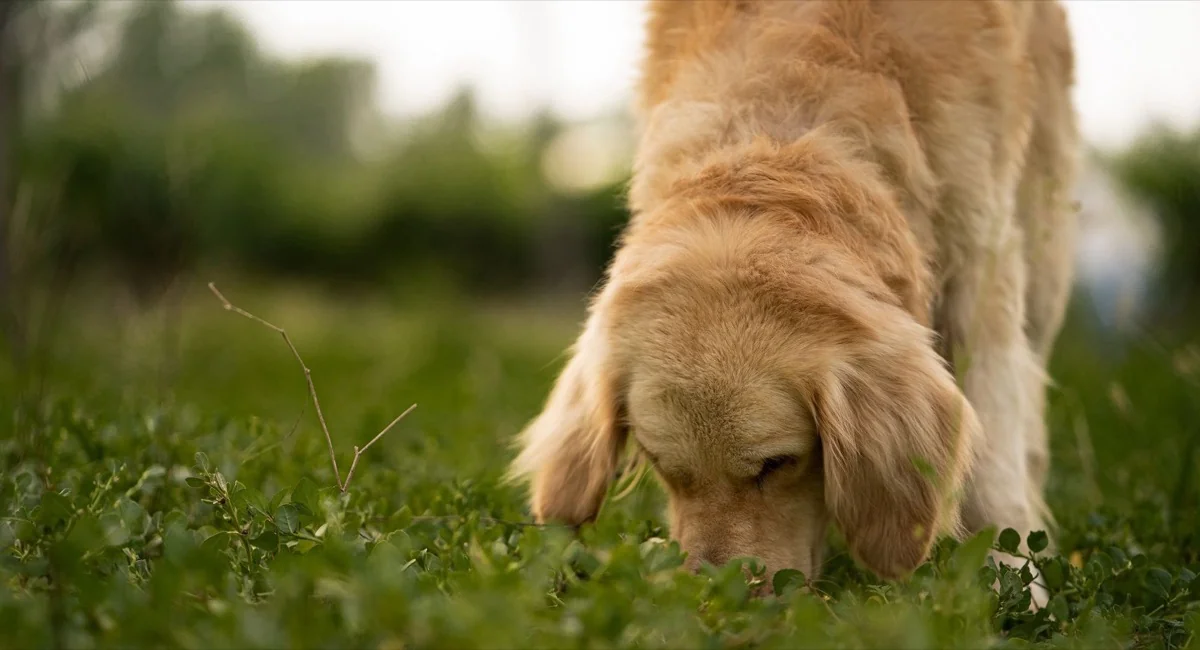
Watch how your puppy acts to learn when they need to go. Signs include circling and sniffing the ground. Take them to the toileting area right away when you see these signs.
Understanding your puppy's instincts lets us plan training that meets their needs. A routine based on their instincts lays the groundwork for good toilet training.
Kingdom of Pets is your ticket to:
- TRAINING your Dog effectively
- CARING for your dog’s health needs
- UNDERSTANDING why your dog behaves the way they do
- NURTURING a life-long relationship with your dog that you’ll cherish
Creating a Consistent Schedule for Success
Consistency is crucial when toilet training your puppy. A regular schedule helps your puppy learn good habits. It lessens the chance of mishaps. By setting a routine, you let your puppy know what you expect. This helps them succeed in learning to potty correctly.
Importance of Routine for Puppies
Puppies, much like humans, do well with a routine. A steady daily schedule makes them feel secure. It also shows them what you expect from them. With a clear routine, your puppy knows when it's time for a potty break. This means they're more likely to wait till they're outside or in their potty area.
Having a routine also lets you predict when your puppy needs to go, avoiding accidents. By taking them out or to their potty area at set times, you help empty their bladder and bowels regularly. This action decreases the chance of accidents inside the house.
Designing A Puppy Potty Schedule
Making a puppy potty training schedule depends on their age, breed, and needs. Puppies have small bladders and need more potty breaks than older dogs.
To start, figure out how often your puppy needs to go based on their age. A general rule is they can hold their bladder for one hour per month of age, plus one. For instance, a two-month-old puppy should go out every three hours.
Each puppy is unique, so watch for signs they need to go, like sniffing or circling. Taking them out before an accident can prevent mishaps. Include breaks after eating, playing, and napping in their schedule. These activities can make them need to go. Remember, sticking to the same schedule daily helps your puppy get used to the routine.
Essential Equipment for Potty Training Your Puppy
Toilet training your puppy requires the right equipment for success. Here are the essential items you'll need:
Collars or Harnesses
Choose a comfy collar or harness for your puppy during potty training. This keeps you in control and guides them to the right spots.
Leashes
Get a sturdy leash to keep your puppy close during training. It stops them from wandering and keeps them focused.
Bully Billows for Collars and Harnesses
Dog Litter Boxes or Frames for Wee-Wee Pads
For training inside, use dog litter boxes or wee-wee pad frames. They provide a specific spot for your puppy to go. They're made to contain the mess and simplify clean-up.
Puppy Pads
Puppy pads are absorbent and can be a temporary toilet for your puppy. They're great for indoor training. You can throw them away after use.
Treats
Positive reinforcements are key for toilet training. Have tasty treats your puppy enjoys. Use them as rewards for using the toilet correctly.
Carpet Cleaner, Mops, and Floor Cleaner
Expect accidents in the early stages of training. Keep carpet cleaner, mops, and floor cleaner ready. They help keep your place clean and smell-free.
With this equipment, you're all set to start a successful potty-training journey with your puppy.
Preparing Your Home for Potty Training
Before you start toilet training, make your home safe and supportive. Secure your living space against risks to prevent accidents. This preparation is key for a smooth training process.
Puppy-Proofing Your Living Space
Getting your home ready for your puppy involves removing dangers. Here are key steps to take:
- Secure electrical cords and outlets to prevent chewing hazards.
- Store household chemicals and toxic plants out of your puppy's reach.
- Remove small objects that could be swallowed.
- Close off access to rooms or areas that are off-limits.
- Use gates or barriers to block stairways or areas with valuable items.
- Invest in chew toys and interactive puzzles to redirect your puppy's chewing.
Choosing the Right Location for Potty Breaks
Choosing where your puppy goes to the toilet is key. Think about these things:
- Identify an outdoor area that is easily accessible.
- Choose a quiet and safe space away from distractions.
- Ensure the area is well-lit, especially for nighttime potty breaks.
- Avoid high-traffic areas or places with excessive noise.
- Place puppy pads or a designated potty area indoors for emergencies or for puppies who are not yet fully vaccinated.
- Consistency is key - always take your puppy to the same spot to reinforce the association.
By making your home ready and picking a good potty spot, you set up for potty training success. This creates a positive environment for your puppy.
Effective Supervision and Management of Your Puppy
For your puppy's toilet training to work well, you must watch them closely. Monitor their actions and lead them to where they should go to the toilet. This reduces mistakes and helps them learn faster.
Supervising your puppy:
- Watch your puppy all day, especially at times they might need to go, like after eating or playing.
- Notice if your puppy acts like they need the toilet, such as sniffing around or circling. Stop them if they're about to go in the wrong spot and take them to the right place.
- Even if they don't seem to need to, take your puppy to their toilet area regularly. This makes sure they go in the right spot.
- When you can't watch them closely, use gates or pens to keep them in a small area. This stops accidents and lets you quickly help if needed.
Managing your puppy during toilet training:
- Have a regular routine for when they eat and go to the toilet. This helps them learn good habits and makes accidents less likely.
- Always reward and praise your puppy when they use the toilet in the right place. This makes them want to keep doing it.
- Don't get angry if they have an accident. Clean it up calmly and carry on training. Getting upset can scare your puppy and make training harder.
- If an accident happens, think about what might have caused it, like not enough supervision. Change your plan to stop it happening again.
By keeping an eye on your puppy and setting up a good toilet routine, you create a great training environment. Be patient, consistent, and use rewards to quickly teach your puppy to be toilet trained.
How to Train a Puppy to Pee Outside
Teaching your puppy to eliminate outside is a key part of toilet training. It sets a routine and encourages good habits. I'll show you how to introduce your puppy to outdoors and use rewards for outdoor toileting.
Introducing Your Puppy to the Great Outdoors
First, make your puppy familiar with outside. Take them to a spot in your yard or park for potty. Let them explore and become comfortable. They'll start to connect the outdoors with toileting.
Always watch your puppy outside to keep them safe. Use a leash for control. Helping and cheering them as they explore outside is vital.
Reward-based Techniques for Outdoor Toileting
Using rewards helps teach your puppy to pee outside. Give them praise, treats, or a toy when they do it right. This shows them that's what you want, making them want to do it again.
Have a steady routine for outside trips. Take them out at the same times each day. This builds a habit of outside toileting. Stay patient and consistent. They'll get the hang of it with practice and rewards.
"Reward-based training is a highly effective method to reinforce desired behaviours, including outdoor toileting."
Conor
Indoor Potty Training Strategies
If you can't get outside, having indoor potty training plans is key. This part will show how to adapt when you can't go outdoors. It covers using puppy pads and indoor toilets right.
When Outdoor Access is Limited
Sometimes, bad weather or living in an apartment makes outdoor trips hard. Yet, you can still train your puppy inside with smart tactics.
Choose a certain spot inside for your puppy's bathroom. This could be the bathroom, laundry area, or any spot with a floor you can clean. This helps your puppy learn and stick to the routine.
Watching your puppy closely is also vital. Look out for signs like circling or sniffing that mean they need to go. Then, take them to their bathroom spot quickly.
Use of Puppy Pads and Indoor Toilets
Puppy pads and indoor toilets are great for inside training. Puppy pads absorb wee and limit smells. Put them in the bathroom spot and lead your puppy there when they need to go.
Indoor toilets, like fake grass patches or dog litter boxes, are also handy. They feel more natural for your puppy. Place your puppy on it when they show they need to go and praise them for doing it right.
Remember, be consistent with puppy pads or toilets. Always use the same spot. This helps your puppy understand and not get mixed up.
Indoor training is a good option when outside isn't possible. By using these methods, you can ensure your puppy is well-trained, even without outside access.
buy nowHow to Toilet Train a Puppy in 7 Days
Looking for a quick way to toilet train your puppy? This guide is for you! Here, we'll go through the steps to get your puppy trained in only a week. By sticking to our plan and using the methods we'll talk about, you'll see swift and efficient outcomes.
- Consistency is key: First, get your puppy used to a regular routine. Take them to their toileting spot at the same times each day. This teaches them the right place to go and strengthens the correct behaviour.
- Positive reinforcement: Whenever your puppy goes in the right spot, cheer them on! Use treats, talk to them nicely, and pet them. This makes them see going to the toilet in the right place as something good.
- Frequent potty breaks: Let your puppy out to their toilet area every 1-2 hours, also after eating, playing, or sleeping. This avoids accidents and gets them into a good routine.
- Closely monitor: Watch your puppy closely for signs they need to go - like sniffing or circling. Take them out right away if you see these signs.
- Accident management: If your puppy has an accident inside, clean it well with an enzyme cleaner. This stops them wanting to go in that spot again. Don't tell them off - it can scare them and make training harder.
- Adapt to your puppy: Every puppy is different. You might need to tweak your training to suit them. Some learn fast, others more slowly. Be patient and keep trying.
- Stick to the plan: Being consistent is really important. Keep to your routine, be patient, and stay positive. Over time, your puppy will link the toileting area with going to the toilet.
Keep these tips in mind, and you can toilet train your puppy in a week. Remember, it takes patience, consistency, and lots of praise. With these, your puppy will quickly pick up good toileting habits.
Handling Accidents During the Potty Training Process
Accidents often happen when we're potty training puppies. Even with our best efforts, mistakes can still happen. The most important thing is how we deal with these accidents. This can help us keep moving forward. I'll share some tips to handle accidents well and keep training positive.
Reacting Promptly and Positively
It's vital to clean up accidents quickly. This stops smells that might make your puppy go in the same spot again. Use cleaners made for pets to get rid of the smell properly. Don't use cleaners with ammonia because they smell like urine. This could confuse your puppy.
Never punish your puppy for accidents. Stay calm and patient instead. Punishing your puppy can make them scared and anxious. It's harder for them to learn and trust you then. Use positive reinforcement. Reward them when they go to the toilet correctly.
Reassessing the Training Approach
If your puppy keeps having accidents, you might need to change your training. Maybe you need a new schedule, or there could be health issues. If you think it's health-related, talk to a vet.
Watch for signs that your puppy needs to go, like sniffing or circling. By taking your puppy out more often, accidents may happen less. This proactive step can really help.
Consistency and Patience
Potty training takes time. Remember, accidents are part of learning. You need to be patient and consistent. There will be setbacks. Understand your puppy's progress. Celebrate when they get it right. Stay committed to your routine.
"Accidents happen during potty training, but it's essential to stay positive and consistent in the training process. With patience and the right approach, your puppy will learn and succeed."
By dealing with accidents quickly and positively, you can keep control during potty training. Always be positive and supportive with your puppy. Soon, they will be fully trained. Stay patient and you'll both get there.
Ensuring a Smooth Night Time Potty Routine
A good night's sleep is crucial for both you and your puppy. This section offers tips for a peaceful night and managing midnight potty breaks. With a regular night time routine, you can overcome the struggles of night time toileting. This ensures a restful sleep for you and your pet.
Setting the Stage for a Restful Night
To ensure a peaceful sleep, create a comfy sleeping environment for your puppy. Their sleeping area should be cosy and safe. Add a snug bed, blankets, and a quiet spot. This helps them relax and feel secure. Also, dim the lights and reduce noise to create a calm setting.
A steady night time routine helps your puppy understand it's time to sleep. Activities like a gentle walk or a quiet playtime work well. Keeping the routine the same each night is important.
Addressing Midnight Potty Breaks
Puppies often need to go out at night because they have small bladders. To handle midnight potty breaks, it's crucial to be prepared.
Before bed, take your puppy outside for one last toilet break. This gives them a chance to eliminate before sleeping. Be patient and wait until they are done.
If your puppy wakes up needing to go out, keep it brief and calm. Do not play or talk too much. Use a cue like "go potty" to teach them what to do.
Once your puppy has gone, lead them back to bed gently. A soft word or pat can comfort them as they go back to sleep.
Accidents may happen during night time training. Stay calm and don't punish your puppy for accidents. Instead, encourage good behavior. Work on increasing time between potty breaks as they learn.
Following these tips and keeping a consistent routine helps ensure a good night's sleep. It also aids in your puppy's potty training progress.
Overcoming Common Potty Training Challenges
Potty training tough or older dogs can be hard. But, the right tips can help you and your dog succeed. By knowing how to tackle these problems, you can teach your dog where to go to the bathroom properly.
Dealing with Stubborn or Difficult Cases
Some puppies don't easily understand where to pee and poop. They might not listen to you or get what you're trying to teach. If your puppy is tough to train, keeping calm and staying patient is important.
Having a set routine and rewarding your dog can work well. Take them out at the same times every day and give them treats for doing well. Saying the same words when it's time to go can also help them learn faster.
"Stick to your plan, praise good actions, and don't get mad for mistakes. Being patient and consistent will help a lot."
Conor
Adjusting Your Approach for Older Dogs
Training older dogs to use the toilet can have its own issues. They might already have habits that are hard to change. Yet, with the right tactics, you can get past these problems.
Checking your dog's health is step one. Sometimes, health problems can make house training hard. Talk to a vet if you think something's wrong.
Older dogs need you to be patient and kind. They might need more time to learn and get used to new things. Always reward them for doing the right thing. You might also have to change how often they go out.
Since every dog is different, some might take longer to train. Changing how you teach them and being there for them is key. This way, even older dogs can learn to use the toilet properly.
How to House Train ANY Dog
My Conclusion
Toilet training a puppy in 7 days is doable with the right methods and hard work. We've gone through the main points for successful training. Patience, consistency, and rewards are key.
Understanding your pup's instincts, setting a regular schedule, and getting the right tools are vital. Keeping a close eye and guiding them for indoor and outdoor needs is crucial. This leads your puppy to learn properly.
There might be bumps along the way in training. But, staying focused and flexible in your methods matters. Remember, learning speed varies from puppy to puppy. Celebrate all progress and keep encouraging them.
Sláinte,
Conor
FAQ Section
Q1. How long does it take to potty train a puppy?
A. With the right approach and consistency, you can potty train your puppy in 7 days.
Q2. What are the basics of puppy toilet training?
A. Puppy toilet training is about knowing their natural habits for toileting.
Q3. How can I create a consistent schedule for potty training my puppy?
A. Make a routine and a potty schedule to form good habits.
Q4. What equipment do I need for potty training my puppy?
A. You'll need collars, leashes, dog litter boxes, puppy pads, treats, carpet cleaner, mops, and floor cleaner.
Q5. How do I prepare my home for potty training my puppy?
A. Puppy-proof your home. Pick the right spot for potty breaks.
Q6. How can I effectively supervise and manage my puppy during toilet training?
A. Watch their behaviour. Guide them to the right spot to help them learn faster.
Q7. How do I train my puppy to eliminate outside?
A. Introduce them to the outside. Use rewards to encourage the right behaviour.
Q8. What strategies can I use for indoor potty training?
A. Use puppy pads and indoor toilets if you can't go outside.
Q9. Can I toilet train my puppy in 7 days?
A. Yes, with a structured plan and consistency, quick training is achievable. See the guide I've provided above.
Q10. How should I handle accidents during potty training?
A. Clean up quickly. Avoid punishment to deal with accidents positively.
Q11. How can I ensure a smooth night time potty routine?
A. Make the sleeping area right. Handle midnight breaks to keep the night peaceful.
Q12. What can I do to overcome common potty training challenges?
A. Adjust your approach for tough cases or older dogs to beat training challenges.
Source Links
Sources and further reading
These sources support the health, welfare, behaviour or legal points in this guide. They do not turn a general article into individual professional advice.
Sources I checked for this editorial review
I reviewed the following professional or official starting points on 1 August 2026. They support the general principles in this article; they do not replace advice based on an individual dog.