Health & Nutrition
Senior Dog Care: Comfort, Mobility and the Changes Worth Noticing
My answer first
I wrote this guide to give owners a practical starting point: A practical Canine Maverick guide to supporting older dogs through thoughtful routines and earlier veterinary conversations.
My scope: I am sharing general owner education from my experience. I am not diagnosing an individual dog or replacing veterinary, behaviour or legal advice.
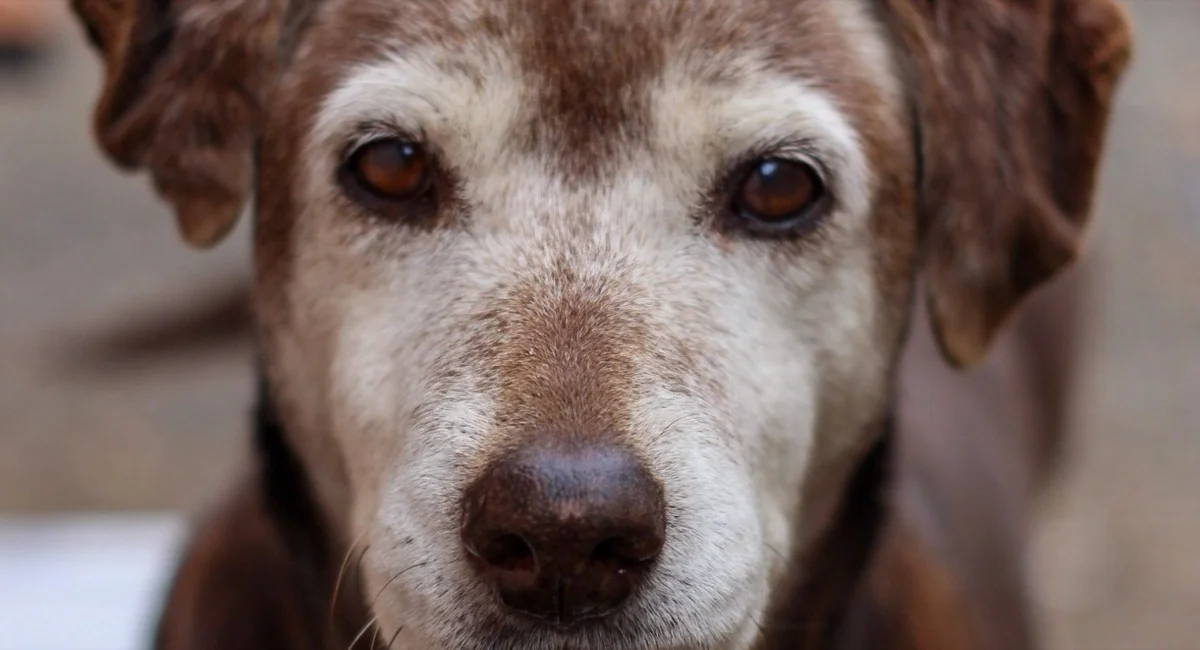
Ageing is not a diagnosis
My starting point is simple. Older dogs may sleep more and move differently, but pain, confusion, weight change, thirst, coughing or house-soiling should not be dismissed as “just old age”. A senior plan combines veterinary checks, comfortable movement, predictable routines and observation.
Make the floor plan kinder
This is the order I would work through:
- Add non-slip routes between bed, water, garden and family areas.
- Use warm supportive bedding and easy-access bowls.
- Record appetite, sleep, toileting, mobility and enjoyment weekly.
- Discuss pain relief, dental care, weight and cognitive changes with the vet.
Track the quiet changes
I use the dog’s response and the level of risk—not pride, pressure or a fixed timetable—to choose my next step.
| What I notice | What I would do next |
|---|---|
| Slower but comfortable and enjoying normal activities | Adapt pace and surfaces while monitoring. |
| Stiff after rest, reluctant on stairs or licking joints | Book a veterinary mobility and pain review. |
| Disorientation, night waking or sudden house-soiling | Seek assessment; several medical causes are possible. |
Protect pleasure as mobility changes
Mistakes I would avoid
- Removing all exercise
- Giving human painkillers
- Changing several routines at once
- Waiting for crying before considering pain
Make one measurable nutrition decision at a time
When I apply the nutrition advice in “Senior Dog Care: Comfort, Mobility and the Changes Worth Noticing”, I start with the complete diet, the dog’s medical history and one clearly defined question. I do not assume a longer ingredient list is automatically better. Add non-slip routes between bed, water, garden and family areas. I photograph labels and weigh portions so I can compare like with like. If a product, treat or supplement changes, everything else stays as steady as practical; otherwise I cannot tell what produced the result.
A realistic example
My worked example is a two-week record of appetite, stool, body weight, treats, medication and the single change under review. Use warm supportive bedding and easy-access bowls. I decide in advance what improvement would look like and what would make me stop. A testimonial may suggest a question, but it cannot diagnose my dog, establish a suitable dose or rule out an underlying illness.
What I record and why
I write down the product, batch, serving, start date and any new sign. When slower but comfortable and enjoying normal activities, adapt pace and surfaces while monitoring. I contact the vet promptly for persistent appetite change, vomiting, diarrhoea, weight loss, pain, marked lethargy or a reaction. A food diary is useful because it supports a professional assessment; it is not a substitute for one.
My seven-day reset
For “Senior Dog Care: Comfort, Mobility and the Changes Worth Noticing”, I use a week as a review window, not as a promise that the issue will be solved in seven days. The aim is to replace guesswork with a calm baseline and a repeatable next step.
- Day 1: Write down the baseline for “Senior Dog Care: Comfort, Mobility and the Changes Worth Noticing” before changing anything.
- Day 2: Add non-slip routes between bed, water, garden and family areas.
- Day 3: Repeat the easiest useful step and finish while the dog is coping.
- Day 4: Review the environment, timing and every person involved.
- Day 5: Use warm supportive bedding and easy-access bowls.
- Day 6: Record appetite, sleep, toileting, mobility and enjoyment weekly.
- Day 7: Compare the week with the baseline and choose one next adjustment.
How I keep the advice safe
While applying “Senior Dog Care: Comfort, Mobility and the Changes Worth Noticing”, I stop if the dog becomes distressed, painful, unusually quiet, unable to recover or unsafe to handle. I do not use a website article to diagnose disease, settle a legal case or design an individual behaviour programme. I use it to prepare better questions, improve immediate management and recognise when my vet, an appropriately qualified behaviour professional or a solicitor needs to see the individual facts.
The questions I use before changing the plan
I keep my review of “Senior Dog Care: Comfort, Mobility and the Changes Worth Noticing” specific to the dog in front of me. My first practical anchor is: Add non-slip routes between bed, water, garden and family areas. From there I compare the response with the original baseline, not with somebody else’s highlight reel. If slower but comfortable and enjoying normal activities, I would adapt pace and surfaces while monitoring. I also look for unintended effects: a plan that improves one behaviour while increasing fear, pain or household risk is not a successful plan.
- What exactly am I measuring?
- What else entered the dog’s mouth?
- Has weight, appetite or stool changed?
- Is the dose and batch recorded?
- What result would make me stop or call the vet?
I share my notes from “Senior Dog Care: Comfort, Mobility and the Changes Worth Noticing” with the relevant professional when the issue is medical, legally sensitive or carries a realistic risk to people or animals. Clear dates, short descriptions and photographs or video—taken only when safe—help another person understand the sequence. They also stop me quietly rewriting the story after a good or bad day. That honesty is central to how I want Canine Maverick guidance to work.
Sources I checked and further reading
I checked these sources on 1 August 2026. Product availability, law and professional guidance can change, so I always follow the linked source for current details.
Sláinte,
Conor