Dog Health & Nutrition
Can Dogs Eat Grapes?
Wondering if it's okay for your pet pooch to snack on grapes? You're not alone! This question has created lots of chatter among dog lovers and animal health experts.
The answer might be quite different from what you expect. In this guide, we'll uncover the truth about dogs and grapes. We'll dive into how grapes can affect your furry friend, how their tummy copes with these little fruits, and finally, we'll answer that big question: is it actually okay for dogs to eat grapes?
So, stick with me. With over 30 years of experience in the dog world, I'm here to share the need-to-know facts to keep our tail-wagging pals safe. So plug in your curiosity and let's dig into this intriguing topic. You might be surprised by what we find.

Key Takeaways:
- Grapes can be highly toxic to dogs and can potentially lead to kidney failure.
- The canine digestive system is not equipped to handle grapes, unlike humans.
- If your puppy or dog accidentally ingests grapes, it's important to take immediate action.
- There are safe alternatives to grapes that you can include in your dog's diet.
- It's vital to be aware of the myths and facts surrounding dogs eating human foods.
Table of Contents
- Key Takeaways:
- The Dangers of Grapes to Dogs Explained
- How the Canine Digestive System Handles Grapes
- Can Dogs Eat Grapes? The Answer
- Managing Grape Toxicity in Dogs
- Myths About Dogs Eating Human Foods
- Assessing the Level of Risk
- Keeping Your Dog Safe from Grape Toxicity
- What Fruits Can Dogs Safely Eat?
- My Conclusion: Be Fruit Friendly but Careful
- FAQ Section
- Source Links

The Dangers of Grapes to Dogs Explained
In this section, I will delve into the dangers of grapes for dogs and provide a comprehensive understanding of the topic. We will discuss how to identify toxic fruits for canines, the specific toxicity of grapes, its effects on dogs, and the potential for kidney failure when dogs ingest grapes.
Identifying Toxic Fruits for Canines
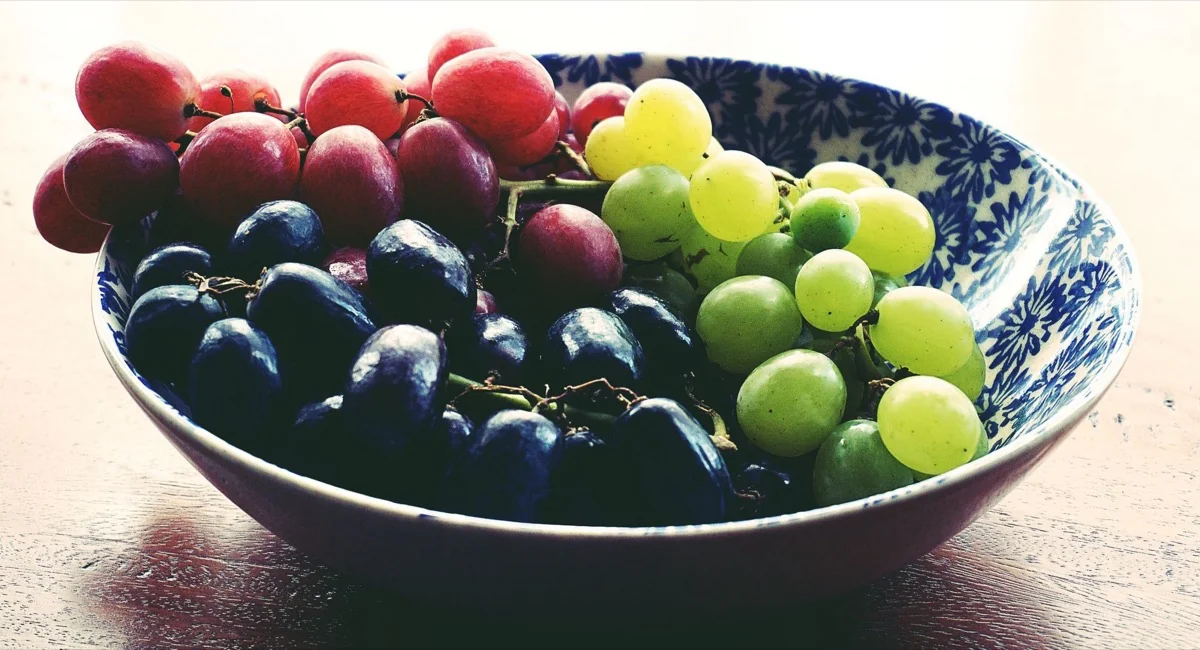
It is crucial for dog owners to be aware of the fruits that can be toxic to their furry friends. While many fruits are safe for dogs to consume, there are some notable exceptions. Grapes, along with raisins, have been identified as highly toxic to dogs. It is important to recognise that not all dogs will have the same reaction to grapes, and even a small amount can be harmful.
When it comes to identifying toxic fruits, it is best to err on the side of caution. If you are unsure whether a fruit is safe for your dog to consume, it is always advisable to consult your veterinarian.
Understanding Grape Toxicity and Its Effects
Grape toxicity in dogs is a serious concern. The exact cause of grape toxicity remains unknown, but it is believed that a substance present in grapes and raisins can cause severe damage to a dog's kidneys. Dogs who ingest grapes may experience symptoms of toxicity within a few hours or days, depending on the amount consumed.
Common symptoms of grape toxicity in dogs include vomiting, diarrhoea, lethargy, loss of appetite, dehydration, increased thirst, and abdominal pain. If left untreated, grape toxicity can lead to kidney failure, which can be life-threatening for dogs.
Kidney Failure from Grape Ingestion
Kidney failure is a severe consequence of grape ingestion in dogs. The toxins present in grapes can cause irreversible damage to a dog's kidneys, impairing their function over time. Dogs suffering from kidney failure may exhibit symptoms such as decreased urine production, weakness, bad breath, mouth ulcers, and seizures.
It is important to note that kidney failure from grape ingestion can occur even if a dog has previously consumed grapes without adverse effects. Therefore, it is crucial for dog owners to be vigilant and prevent their dogs from accessing grapes altogether.
By understanding the dangers of grape toxicity in dogs, owners can take proactive measures to protect their beloved pets from potential harm.

For Can Dogs Eat Grapes?, begin with the ordinary day rather than the perfect one. Look at the dog’s sleep, appetite, movement, recovery and ability to settle. Those details give you a more honest starting point than a single dramatic moment. In dog health & nutrition, small changes are often the useful ones: shorten the session, make the environment easier and write down what actually happened. That gives you evidence to work with and makes it far easier to explain the situation clearly if you need professional help.
→ Click the Image to Download ←
How the Canine Digestive System Handles Grapes
In order to understand the potential risks associated with dogs consuming grapes, it is important to explore how the canine digestive system handles these fruits. Compared to humans, dogs have unique dietary needs and a digestive system that differs in several ways.
Contrasting Human and Canine Dietary Needs
Humans and dogs have distinct dietary requirements, reflecting their evolutionary adaptations and physiological differences. While humans have a diverse diet that can include a wide range of fruits and vegetables, dogs are primarily carnivorous animals with a preference for meat-based nutrition. This divergence in dietary needs can influence how dogs process certain foods, including grapes.
Nutritional Absorption in Dogs
The nutrient absorption process also differs between humans and dogs. Dogs have a shorter digestive tract than humans, which affects the efficiency and rate at which nutrients are absorbed. This means that dogs may not extract as many nutrients from fruits as humans do, and certain fruits, such as grapes, may pose a greater risk to their digestive system.
Risks of Overfeeding and Inappropriate Foods
Feeding dogs inappropriate foods, such as grapes, can have detrimental effects on their health. Grapes contain compounds that are toxic to dogs and can lead to kidney failure. Overfeeding, in general, can also contribute to various health issues in dogs, such as obesity, digestive problems, and nutrient deficiencies. It is crucial for dog owners to be aware of the risks associated with overfeeding and feeding their pets foods that are not suitable for canine consumption.
Proper nutrition, a balanced diet, and a thorough understanding of the canine digestive system are essential to ensuring the well-being of our fun loving animals. By prioritising their dietary needs and avoiding potentially harmful foods like grapes, we can help safeguard their health and longevity.
Can Dogs Eat Grapes? The Answer
After examining the dangers of grapes to dogs and understanding how the canine digestive system handles grapes, it is clear that dogs should not eat grapes. Grapes are toxic to dogs and pose significant health risks. It's essential to prioritise the safety and well-being of our canine companions by avoiding the consumption of grapes.
While it may be tempting to share certain human foods with our dogs, grapes should not be on the menu. Even a small amount of grapes can lead to severe health problems, including kidney failure. The toxic substance in grapes is unknown, making it difficult to determine a safe amount for dogs to consume.
Therefore, it's crucial to keep grapes and grape-containing products away from dogs' reach. This includes raisins, grape juice, and other grape-based foods. By ensuring that grapes are not accessible to our furry buddies, we can prevent potential harm and protect their well-being.
| Risks of Dogs Eating Grapes | Actions to Take |
|---|---|
| Potential kidney failure | Keep grapes and grape-containing products out of reach |
| Gastrointestinal issues | Monitor dogs closely after potential grape ingestion and seek immediate veterinary assistance if any symptoms arise |
| Dehydration | Provide fresh water to keep dogs hydrated and prevent complications |
Although there have been reports of dogs consuming grapes without apparent harm, it is essential to remember that individual dogs may react differently. Some dogs may be more susceptible to grape toxicity than others. Additionally, dogs with pre-existing health conditions may be even more vulnerable.
Therefore, to ensure the safety of our dogs, it's best to avoid feeding them grapes altogether. Instead, opt for dog-friendly fruits that provide essential nutrients without the risk of toxicity. Refer to Section 9 for a list of safe fruits for dogs to eat.

Managing Grape Toxicity in Dogs
To effectively manage grape toxicity in dogs, it is crucial to be aware of the symptoms of grape poisoning, take immediate actions if your dog eats grapes, and understand the potential long-term health complications that can arise from grape ingestion.
Symptoms of Grape Poisoning
The symptoms of grape poisoning in dogs can vary depending on the amount of grapes consumed and the size of the dog. Some common symptoms include:
- Vomiting
- Diarrhoea
- Loss of appetite
- Abdominal pain
- Lethargy
- Decreased urine output
If you notice any of these symptoms in your dog after they have eaten grapes, it is important to take immediate action to prevent further complications.
Immediate Actions to Take if Your Dog Eats Grapes
If your dog has ingested grapes, ACT QUICKLY! Here are some immediate actions you can take:
- Remove any remaining grapes from your dog's reach.
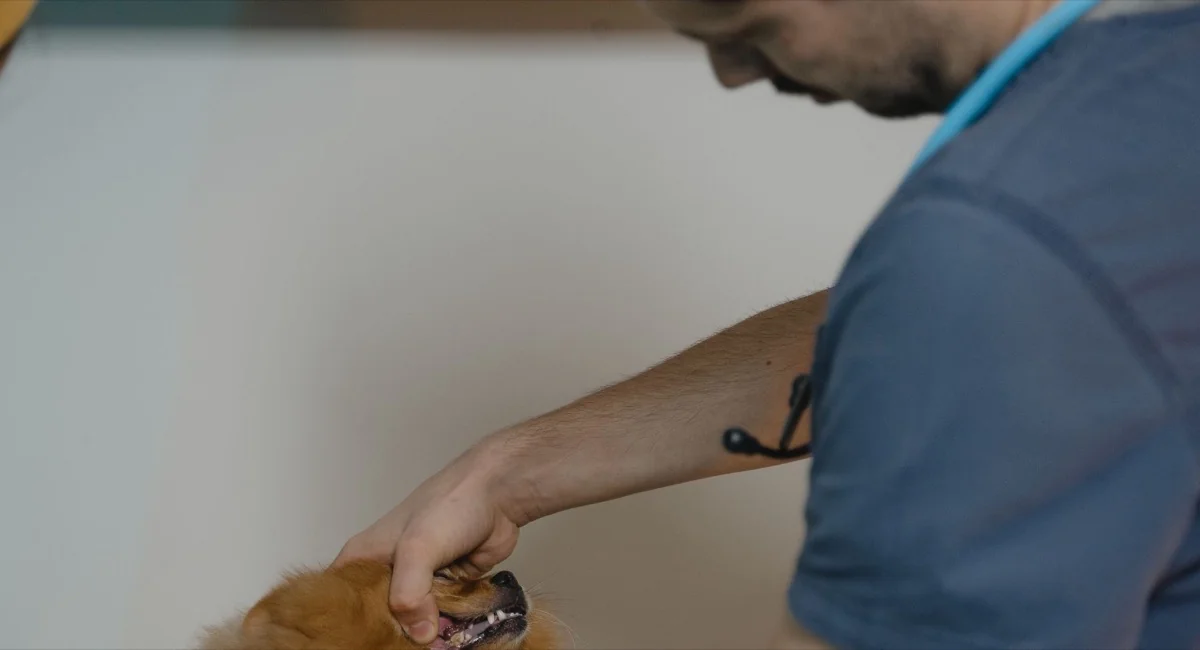
- Contact your veterinarian immediately for guidance.
- If directed by your veterinarian, induce vomiting in your dog under their supervision.
- Follow any additional instructions provided by your veterinarian, such as administering activated charcoal.
Remember, every case is unique, so it is crucial to consult with your veterinarian for personalised advice based on your dog's specific situation.

Long Term Health Complications
Grape ingestion in dogs can lead to significant long-term health complications, especially if not addressed promptly. One of the most severe complications is acute kidney failure, which can be life-threatening. If kidney failure occurs, your dog may require intensive and prolonged medical treatment.
In some cases, even if kidney failure is not present, there may be long-term effects on your dog's kidney function, resulting in chronic kidney disease. This condition requires ongoing management and may impact your dog's quality of life.
It is essential to remember that prevention is always better than treatment when it comes to grape toxicity in dogs. Therefore, keeping grapes and grape-containing products out of your dog's reach is crucial.
Myths About Dogs Eating Human Foods
There are many myths surrounding dogs eating human foods, and it's important to separate fact from fiction. One common myth is that dogs can safely consume grapes without any adverse effects. However, this is not true and can be dangerous for our doggo. Let's explore some common myths about dogs and grapes, as well as the evolution of dog diets over time.
Dogs and Grapes: Myths Vs. Facts
It is a widespread misconception that grapes are safe for dogs to consume. Some dog owners believe that a few grapes here and there won't harm their pets. Don't be like them (stupid!), because grapes, and even their dried counterparts, raisins, can be toxic to dogs. In fact, even a small amount can lead to severe complications, including kidney failure.
Another prevalent myth is that the toxicity of grapes is dependent on the dog's size or breed. The truth is that all dogs, regardless of their size or breed, can be affected by the toxic compounds present in grapes. It's essential to remember that even a single grape can pose a significant risk to a dog's health.
It's important to dispel these myths and educate dog owners about the potential dangers of feeding grapes to their pets. By understanding the factual information, we can better protect our beloved dogs from harm.

The Evolution of Dog Diets Through Time
I believe that just like humans, dogs' dietary needs have evolved over time. From their origins as scavengers and hunters, dogs have adapted to various sources of nutrition. It's believed that early dogs feasted on the leftovers of human settlements, including scraps of meat, grains, and vegetables. Eventually, dogs became domesticated, and their diet became closely tied to the food habits of their human companions."
This evolution of dog diets has shaped the nutritional requirements of our modern-day canine companions. While dogs have thrived on certain human foods, such as lean meats and some vegetables, there are specific foods, like grapes, that are highly toxic to them. Recognising these differences and providing dogs with a balanced and appropriate diet is crucial for their overall health and well-being.

A MUST READ or LISTEN
The Domestication of Dogs: The History of Dogs’ Genetic Divergence from Wolves and the Origins of Their Relationship with Humans
FREE with KINDLE UNLIMITED and AMAZON AUDIOBOOKS
→CLICK THE IMAGE TO VISIT AMAZON←
Assessing the Level of Risk
When it comes to the risk of grape toxicity in dogs, it is important to understand the severity of symptoms based on the dosage consumed and any age and breed specific vulnerabilities. Assessing the level of risk can help dog owners take appropriate measures to protect their pets.
Severity of Symptoms Based on Dosage
The severity of symptoms associated with grape toxicity in dogs can vary depending on the dosage ingested. While it is generally recommended to avoid feeding dogs any amount of grapes or raisins, it is crucial to be aware of the potential symptoms that may manifest after ingestion. Even a small amount of grapes can cause symptoms such as vomiting, diarrhoea, loss of appetite, and increased thirst. Higher dosages can lead to more severe conditions, including kidney failure.
See my article about dog diarrhoea if you are worried about your dog having a bad reaction to something and you're not quite sure what to do. → Click here and it will take you straight to it ←
Age and Breed Specific Vulnerabilities
Age and breed can also play a role in a dog's vulnerability to grape toxicity. Puppies and older dogs may be more susceptible to the toxic effects of grapes due to their developing or weakened immune systems. Certain breeds, such as Labrador Retrievers, are known to be more predisposed to grape toxicity. It is essential for dog owners to be aware of these vulnerabilities and take extra precautions to prevent grape ingestion.

| Breed | Vulnerability to Grape Toxicity |
|---|---|
| Labrador Retriever | High |
| Golden Retriever | Medium |
| Chihuahua | Low |
Keeping Your Dog Safe from Grape Toxicity
Preventing grape toxicity in dogs is essential for their well-being. By taking proactive measures and keeping dogs away from grapes, you can ensure their safety. Additionally, offering safe alternatives to grapes for their diet can provide them with nutritious options.
When it comes to preventing grape toxicity in dogs, the first step is to be aware of the potential dangers. Grapes, in any form (including raisins and grape juice), can be toxic to dogs and lead to kidney failure. It's crucial to keep grapes out of your dog's reach and avoid giving them grapes as treats or snacks.
Instead of grapes, there are several safe alternatives that you can offer to your dog. Some fruits that are generally safe for dogs to consume include:
- Apples (make sure to remove the seeds and core)
- Berries (blueberries, strawberries, raspberries)
- Watermelon (without seeds and rind)
- Bananas (make sure to remove the banana skin)

Paws and Relax Meme Printed Unisex T-Shirt
The practical standard in Can Dogs Eat Grapes? is not instant perfection. It is whether the dog remains safe, can understand what is being asked and has a fair chance to succeed. Set up one manageable step, watch the response and stop while things are still going well. If the dog becomes tense, frantic, unusually quiet or unable to take a familiar reward, reduce the pressure. That is sensible handling, not giving in, and it protects the trust you will need tomorrow.
These fruits provide vitamins, antioxidants, and hydration for your dog without the risk of toxicity. However, it's important to introduce new fruits gradually and in moderation, as some dogs may have individual sensitivities or allergies.
In addition to offering safe alternatives, it's crucial to keep your dog away from grapes in all situations. Whether at home or outside, be mindful of where grapes are stored or discarded, and ensure your dog cannot access them. This includes being cautious at picnics, parties, and other gatherings where grapes may be present.
Remember, preventing grape toxicity in dogs is a responsibility that falls on the owner's shoulders. By educating yourself about the dangers of grapes, keeping dogs away from grapes, and providing safe alternatives, you can keep your dog safe and healthy.
What Fruits Can Dogs Safely Eat?
When it comes to providing a well-balanced diet for our besties, incorporating safe fruits into their meals can be a great way to add variety and essential nutrients. However, it's important to note that not all fruits are safe for dogs to consume. To help you make informed choices, I've compiled a list of dog-friendly fruits that are not only safe for your canine companion but also offer numerous health benefits.

When looking for safe fruits for dogs to eat, keep in mind that moderation is key. While these fruits are generally considered safe for most dogs, every dog is unique, and individual sensitivities may vary. Always introduce new fruits gradually and observe your dog's reaction. If you notice any signs of digestive upset or allergic reactions, consult your veterinarian.
Dog-Friendly Fruits
Here are some healthy fruits for dogs:
- Apples: Rich in fibre and vitamin C, apples can be given to dogs in small, bite-sized pieces, without the seeds or core.
- Bananas: Packed with potassium, bananas are a tasty and easily digestible treat for dogs. Remember to remove the peel before offering them to your furry friend.
- Blueberries: These antioxidant-rich berries are not only safe for dogs but also provide nutritional benefits. They can be served fresh or frozen as a healthy snack.
- Strawberries: Full of vitamin C and fibre, strawberries make a sweet and nutritious treat for dogs. Remember to remove the stem and slice them into bite-sized pieces.
- Watermelon: A refreshing summer fruit, watermelon is hydrating and low in calories. Remove the seeds and rind before sharing it with your dog.
Remember, these fruits should be offered as occasional treats and should not replace a balanced, complete dog food diet. If you're unsure about introducing any new fruit to your dog's diet, it's always a good idea to consult your veterinarian.
By incorporating safe fruits into your dog's diet, you can provide them with additional vitamins, minerals, and antioxidants while adding variety to their meals. Just remember to offer these fruits in moderation and always prioritise your dog's specific dietary needs.

My Conclusion: Be Fruit Friendly but Careful
Here we are, folks. The conclusion, the summary, the end (only for this article, though!). After thoroughly exploring the question of whether dogs can eat grapes, it's evident that grapes are bloody dangerous for our canine companions. The toxicity of grapes can lead to severe health complications, especially kidney failure, and ultimately an early ending to their happy lives. And all for a blinking grape! Just don't take the risk.
It's crucial for dog owners to understand the risks associated with grapes and take proactive measures to keep their pets safe. Dogs and grapes DO NOT MIX. Even a small amount of grapes can have detrimental effects on a dog's health.
Therefore, as responsible pet owners, we must ensure that grapes are never within reach of our dogs. It is advisable to keep grapes and all grape products out of their environment. Instead, we can explore safe alternatives and incorporate dog-friendly fruits into their diet.
By being informed and cautious, we can protect our furry friends from the dangers of grape toxicity, ensuring their well-being and happiness for years to come.
So, there it is for you, folks. Laid out in black white (or light blue if you're feeling pedantic 😉). There are many more foods that are dangerous for our best mates, I'll do my best to write a comprehensive article about it, but as you can imagine it will take some time to do.
In the meantime, thanks a million for spending your time reading with me, I do appreciate it. I hope you've learned something, and I've categorically answered your question!
Sláinte,
Conor

FAQ Section
Q1. Why can't dogs eat grapes?
A. Dogs should not eat grapes because they contain toxins that can cause kidney failure in dogs. Even a small amount of grapes can be harmful and potentially fatal to dogs.
Q2. Should dogs eat grapes?
A. No, dogs should not eat grapes. Grapes can be toxic to dogs and can lead to severe health complications, including kidney failure.
Q3. What should I do if my puppy ate grapes?
A. If your puppy has ingested grapes, it is important to seek immediate veterinary attention. Contact your vet or an animal poison control centre for guidance.
Q4. Can my puppy eat grapes?
A. No, puppies should not eat grapes. The toxicity of grapes is not dependent on age, and puppies are just as susceptible to the harmful effects of grapes as adult dogs.
Q5. Can dogs eat a grape?
A. No, dogs should not be given grapes to eat. Even a single grape can be toxic and potentially harmful to a dog's health.