Dog Health & Nutrition
Why Do Dogs Eat Their Own Poo?
Introduction
Did you know that a staggering 16% of dogs engage in the rather unpleasant habit of eating their own poo?
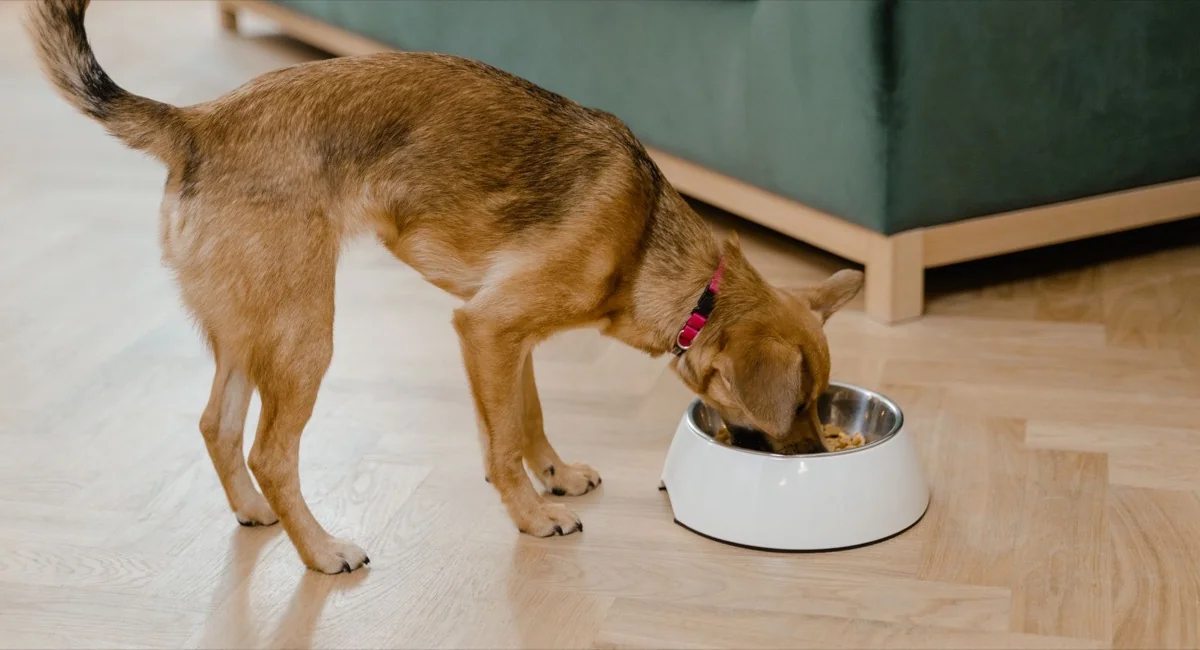
Dogs eating poop, also known as coprophagia, is a puzzling behaviour that can leave dog owners feeling perplexed and disgusted. But why do dogs engage in this habit? What drives them to consume something that seems so unappetising to us?
In this article, I will explore the various reasons behind why dogs eat their own poo. We will delve into the scientific explanations, the role of habit, the impact of hunger, and the psychological factors that contribute to this behaviour. We will also examine the potential medical reasons behind coprophagia. By understanding these underlying factors, we can gain valuable insights and potentially find ways to prevent or manage this behaviour in our furry friends.
So, let's unravel the mystery and discover the truth behind why dogs have a penchant for eating their own poo.

Key Takeaways:
- 16% of dogs engage in the habit of eating their own poo.
- Coprophagia is a puzzling behaviour that can leave dog owners feeling perplexed and disgusted.
- In this article, we will explore the scientific explanations, the role of habit, the impact of hunger, and the psychological factors that contribute to coprophagia.
- Understanding these underlying factors can help us find ways to prevent or manage this behaviour.
- Let's uncover the truth behind why dogs have a penchant for eating their own poo.
- Introduction
- Unravelling the Mystery: Dogs Eating Poo Explained
- The Role of "Habit" in Dogs Eating Their Own Poo
- Understanding Hunger's Impact on a Dog's Compulsion to Eat Poo
- Navigating the Psychological Factors: Stress, Boredom, and Attention Seeking
- Does Health Play a Role? Medical Reasons Behind Dogs Eating Poo
- Puppyhood to Parenthood: Natural Instincts and Poo Eating
- Why Do Dogs Like Eating Poo?
- Mimicking Mum: The Learning Curve of Eating Poo in Dogs
- Beyond Satiety: When Greedy Eaters Develop a Taste for Poo
- Complications of Stress, Anxiety, and Boredom in Poo-Eating Dogs
- Debunking Myths: The Medical Side of Coprophagia
- Why Does My Dog Eat Poo?
- Conclusion
- FAQ Section
- Source Links
Unravelling the Mystery: Dogs Eating Poo Explained
In this section, we will dive into the scientific explanation behind canine coprophagia, the puzzling habit of dogs eating their own poop. By understanding the possible reasons why dogs engage in this behaviour, we can gain a deeper insight into their motivations.
Canine coprophagia, also known as the consumption of faeces, is a behaviour that has puzzled dog owners for years. Despite its unpleasant nature, it is surprisingly common among dogs of all breeds and ages.
“Canine coprophagia, the consumption of faeces, is a behaviour that has puzzled dog owners for years.”
One theory suggests that dogs eat poop as a way to gather additional nutrients that were not absorbed during digestion. In the wild, canines may resort to this behaviour to compensate for a lack of food or to ensure they extract as many nutrients as possible from their prey.
Another possible explanation lies in the evolutionary history of dogs. Wolves, the ancestors of dogs, would consume the faeces of other pack members as a way of maintaining pack hygiene and preventing the spread of parasites. This behaviour may have been passed down through generations, leading to the coprophagic tendencies we observe in domesticated dogs today.
Additionally, there is evidence to suggest that coprophagia can be triggered by certain medical conditions or dietary deficiencies. For example, dogs with exocrine pancreatic insufficiency may resort to eating their own poop as they struggle to digest and absorb essential nutrients.
By studying the scientific explanations behind canine coprophagia, we can gain a better understanding of this behaviour. This knowledge can help us address the issue effectively and develop strategies to discourage this habit in our furry companions.
| Scientific Explanations Behind Canine Coprophagia |
|---|
| Gathering additional nutrients |
| Evolutionary history of wolves |
| Medical conditions and dietary deficiencies |
The Role of "Habit" in Dogs Eating Their Own Poo
Have you ever caught your furry friend engaging in the seemingly repulsive act of eating their own poop? This behaviour, known as coprophagia, has left many dog owners puzzled and even disgusted. But why do dogs do this? What drives them to consume something so unappetising?
Young Dogs and Poo Eating as a Learned Behaviour
Young dogs are more likely to develop the habit of eating their own poo as a learned behaviour. This behaviour can start during puppyhood as they explore their surroundings and observe their mother doing the same. Puppies are inquisitive by nature and may mimic their mother's actions, including the consumption of faeces. As they grow older, this habit can become ingrained in their behaviour.
Bridging Earlier Experiences to Adult Behaviour
What young dogs learn during their early experiences with eating poo can carry over into their adult behaviour. If they have been rewarded or reinforced for engaging in this behaviour, it becomes more difficult to break the habit as they age. The habit becomes a learned behaviour that can be triggered by certain cues or situations, such as boredom or stress.

Understanding Hunger's Impact on a Dog's Compulsion to Eat Poo
In this section, we will explore the intriguing connection between hunger and a dog's compulsion to eat poo. Hunger can have a significant impact on a dog's behaviour, and it is often linked to coprophagia, the act of consuming faeces. Let's delve deeper into this topic and uncover the possible reasons behind it.
One reason why a dog may eat another dog's poop is simply because it's available. Dogs have an incredibly strong sense of smell, and to them, the scent of another dog's waste may be irresistible. Additionally, they may also be driven by the desire to hide their presence or mask their own scent from potential predators or rivals.
But why would a dog eat its own poop? This behavior, known as autocoprophagia, can have various underlying causes. One possibility is that the dog is not getting enough nutrients from their regular diet. If a dog's body is lacking certain vitamins or minerals, they may resort to eating their own feces in an attempt to fulfill those nutritional deficiencies.
Another reason could be that the dog is experiencing some sort of gastrointestinal issue. Dogs with sensitive stomachs or digestive disorders may not fully digest their food, leaving behind nutrient-rich excrement that appears appealing to them. In some cases, stress, anxiety, or boredom can also contribute to this behaviour.

Why Dogs Eat Poop
Gross but True Things You Never Knew About Animals
Did you know there are spiders that look just like bird poop? Cockroaches that can be directed by remote control? And snakes that fart to scare away predators? These are just a few of the bizarrly engrossing, disgusting, and squirm-inducing facts about animals you can use to entertain and gross-out friends and parents
Navigating the Psychological Factors: Stress, Boredom, and Attention Seeking
In order to understand why dogs eat their own poo, we must consider the psychological factors that contribute to this behaviour. Stress, boredom, and attention-seeking behaviour can all play a role in a dog's inclination to engage in coprophagia.
Mental Health and Its Influence on Eating Habits in Dogs
Dogs, like humans, can experience mental health issues that impact their behaviour and eating habits. Stress, anxiety, and other psychological factors can lead to coprophagia. When dogs are under stress or feeling anxious, they may seek comfort in unusual behaviours, such as eating their own poo. It is important to recognise and address these underlying mental health issues in order to help dogs overcome this habit.
Consequences of Neglect and Lack of Stimulation
Neglect and a lack of stimulation can have serious consequences for a dog's mental well-being and eating habits. When dogs do not receive adequate attention, exercise, and enrichment, they may resort to engaging in coprophagia as a way to relieve boredom or seek stimulation. This behaviour can be a cry for help, indicating that the dog's needs are not being met. It is crucial for dog owners to provide proper care, attention, and mental stimulation to prevent the development of coprophagia.
| Psychological Factors | Impact on Eating Habits |
|---|---|
| Stress | This can lead to coprophagia as a coping mechanism |
| Boredom | Dogs may resort to eating poo for stimulation |
| Attention Seeking Behaviour | Dogs may engage in coprophagia to get attention from their owners |
| Neglect | Lack of proper care and stimulation can contribute to coprophagia |
| Lack of Stimulation | Dogs may eat poo as a result of insufficient mental and physical stimulation |
Does Health Play a Role? Medical Reasons Behind Dogs Eating Poo
While the habit of dogs eating their own poo may seem puzzling, it is essential to consider the potential medical reasons behind this behaviour. Health issues can often contribute to coprophagia in dogs, indicating that there may be underlying medical conditions causing them to engage in this habit.
One possible medical reason for coprophagia is malnutrition or dietary deficiencies. Dogs with poor nutrition may develop an urge to eat their own waste in an attempt to obtain essential nutrients that their diet lacks. It is vital to ensure that dogs receive a balanced and nutritious diet to prevent this behaviour.
In some cases, gastrointestinal disorders can also be responsible for dogs eating their own poo. Dogs with malabsorption issues, food intolerances, or parasites may experience digestive problems, leading to an increased attraction to faeces. Identifying and treating these underlying gastrointestinal issues can often help resolve the coprophagia problem.
Additionally, certain medical conditions or medication side effects may contribute to coprophagic behaviour. Conditions such as diabetes, Cushing's disease, or thyroid disorders can disrupt a dog's metabolism, affecting their appetite and potentially leading to coprophagia.
Moreover, dogs experiencing anxiety, stress, or pain may develop coprophagia as a coping mechanism. Chronic conditions such as arthritis or dental problems can cause discomfort in dogs, and they may turn to eat faeces as a way to distract themselves from their pain or distress.

This simple “wolf switch” trick has become viral among dog parents.
In conclusion, it is crucial to consider the health aspect when addressing coprophagia in dogs. Medical reasons such as malnutrition, gastrointestinal disorders, underlying medical conditions, and pain can all contribute to this behaviour. Consulting with a veterinarian is essential in identifying and addressing any potential health issues that may be causing dogs to engage in coprophagia. By addressing these medical reasons, dog owners can effectively manage and prevent their pets from eating poo.
| Possible Medical Reasons for Dogs Eating Poo | Explanation |
|---|---|
| Malnutrition or Dietary Deficiencies | Dogs may eat their own poo to compensate for essential nutrient deficiencies in their diet. |
| Gastrointestinal Disorders | Issues such as malabsorption, food intolerances, or parasites can cause digestive problems, leading to coprophagia. |
| Underlying Medical Conditions | Conditions like diabetes, Cushing's disease, or thyroid disorders can disrupt a dog's metabolism, affecting appetite and potentially leading to coprophagia. |
| Pain and Discomfort | Dogs experiencing anxiety, stress, or pain may turn to eating faeces as a way to distract themselves from discomfort caused by conditions like arthritis or dental problems. |
Puppyhood to Parenthood: Natural Instincts and Poo Eating
In this section, we will explore the fascinating connection between puppyhood and coprophagia. Puppies, like many young creatures, possess natural instincts and behaviours that can contribute to the habit of eating poo. Let's delve into the intriguing world of puppyhood and its influence on this peculiar behaviour.
During their early stages of development, puppies are curious and eager explorers. They use their mouths to investigate the world around them, often picking up and tasting objects they encounter, including their own faeces. This behaviour is rooted in their natural instinct to explore and learn about their environment through taste and smell.
Additionally, puppies have an innate instinct to keep their living space clean. In the wild, female dogs clean up after their puppies by ingesting their waste to prevent attracting predators. Puppies observe and learn from their mother's behaviour, mimicking her actions and acquiring the habit of eating poo as a means of maintaining hygiene and safety.
As puppies grow into adulthood and eventually become parents themselves, their behaviour around coprophagia may change. While some adult dogs may continue to exhibit this habit, others may outgrow it as they adapt to a more mature and independent lifestyle. The transition from puppyhood to parenthood brings new responsibilities and priorities, which may alter the frequency and motivation behind poo eating.
Understanding the role of natural instincts in puppyhood and the subsequent changes in behaviour as dogs mature can provide valuable insights into managing and preventing coprophagia. By providing appropriate training, socialisation, and a supportive environment, dog owners can help their puppies develop healthier habits and minimise the chances of engaging in poo-eating behaviour in adulthood.

Why Do Dogs Like Eating Poo?
In this section, we will delve into the intriguing question of why dogs have a preference for eating poo. We will explore the appeal of poo's taste and texture to canines and examine whether this behaviour is driven by curiosity or if there is a gourmet aspect to their attraction to poo.
The Appeal of Poo's Taste and Texture to Canines
Dogs' fascination with eating poo can be attributed, in part, to the unique taste and texture it presents. To dogs, the aroma and flavour of poo may hold an alluring quality that stimulates their senses. The strong scent and pungent taste can capture their attention and entice them to engage in this peculiar behaviour.
Additionally, the texture of poo may provide a satisfying chewing experience for dogs. The soft and malleable consistency of faeces can be appealing to their jaws and teeth, providing a different sensory experience compared to their regular diet. This textural fascination may contribute to the appeal of poo.
Curiosity or Gourmet? The Canine Perspective on Poo
From a canine perspective, the act of eating poo may not solely be driven by curiosity but could also hint at an innate gourmet inclination. Dogs have a highly developed sense of smell that allows them to detect and discern a wide range of scents. Their keen olfactory abilities may enable them to appreciate the complexity of smells present in faeces.
Furthermore, dogs' ancestors, such as wolves, scavenged for food in the wild, often consuming the remains and excrement of other animals. This behaviour served as a survival mechanism, providing them with additional nutrients and valuable sustenance. Dogs may retain this instinctual drive to explore and consume faeces as a way to supplement their diet, even if their current nutritional needs are adequately met.
| Appeal Factors | Canine Perspective |
|---|---|
| Taste | The strong scent and flavour of poo can be appealing to dogs. |
| Texture | The soft and malleable consistency of faeces may provide a satisfying chewing experience for dogs. |
| Curiosity | Curiosity may play a role in why dogs are attracted to poo, as they explore and investigate various scents and tastes. |
| Gourmet Inclination | Dogs' innate gourmet inclination and ancestral scavenging behaviour may contribute to their attraction to faeces. |
Mimicking Mum: The Learning Curve of Eating Poo in Dogs
In this section, we will explore how dogs learn and mimic their mothers' behaviour when it comes to coprophagia. Understanding the learning curve involved in this behaviour can provide valuable insights into why dogs engage in this habit.
When puppies are born, they rely heavily on their mothers for guidance and learning. This includes observing and imitating their mother's behaviours, such as eating and grooming habits. As puppies grow and develop, they continue to mimic their mothers' actions as a way to learn how to navigate their environment and acquire necessary skills.
In the case of coprophagia, puppies may observe their mother eating their faeces as a natural instinct to keep the den clean and protect her young from predators. This behaviour is thought to be a survival mechanism passed down through generations of dogs. As the puppies observe and imitate their mother's actions, they may acquire the habit of eating poo themselves.
The learning curve of coprophagia involves the gradual acquisition of this behaviour through observation and imitation. It starts during the early stages of a puppy's life and continues as they grow into adulthood. The habit of eating poo can become ingrained in their behaviour if not addressed or corrected.
It's important for dog owners to be aware of this learning process and take appropriate measures to prevent or address coprophagia in their pets. This may involve monitoring the puppy closely during their early stages of development, providing them with a clean and enriching environment, and discouraging the behaviour whenever it occurs.
By understanding the learning curve of coprophagia and the role of mimicking their mothers, dog owners can take proactive steps to prevent or manage this behaviour in their furry companions, ensuring their health and well-being.

Beyond Satiety: When Greedy Eaters Develop a Taste for Poo
Greedy eaters, with their insatiable appetites, can sometimes develop a taste for poo. This section explores the intriguing link between dogs who are considered greedy eaters and their inclination towards coprophagia.
When a dog constantly craves food and consumes excessive amounts, their insatiable appetite may extend to eating their own poo. It's important to note that this behaviour is not exclusive to greedy eaters, but their voracious appetite can make them more prone to engaging in coprophagia.
"While it may seem repulsive to us, the development of a taste for poo in greedy eaters could be attributed to their constant search for food and their inability to control their hunger."
The exact reasons why greedy eaters develop this habit are not yet fully understood. However, it is believed that the strong desire for food coupled with a lack of impulse control may lead them to experiment with different tastes and textures, including poo.
Owners of dogs with insatiable appetites should ensure that their pets are receiving appropriate nutrition and a balanced diet. Consulting with a veterinarian can help address any underlying health issues or dietary deficiencies that may contribute to coprophagia.
Managing coprophagia in greedy eaters involves a combination of training, behaviour modification, and environmental management. Providing regular, balanced meals and engaging in mentally stimulating activities can help redirect their focus and prevent them from developing a taste for poo.
| Key Factors | Management Techniques |
|---|---|
| Controlled Feeding Schedule | Establish a consistent feeding routine to curb excessive hunger. |
| Appropriate Diet | Ensure the dog is receiving a nutritionally balanced diet that meets their dietary requirements. |
| Environmental Enrichment | Provide mentally stimulating activities and toys to keep the dog engaged and distracted from eating poo. |
| Positive Reinforcement | Reward desired behaviours and redirect attention away from poo with praise and treats. |
| Supervision and Intervention | Closely monitor the dog in areas where faeces are present and intervene immediately to discourage consumption. |

Retro Rottweiler Life Printed Women's 100% Heavy Cotton T-Shirt
Complications of Stress, Anxiety, and Boredom in Poo-Eating Dogs
In this section, we will explore the various complications that can arise from stress, anxiety, and boredom in dogs that engage in coprophagia. Understanding the impact of these psychological factors is essential for dog owners and can help them address the underlying causes of this behaviour.
Stress and anxiety can significantly contribute to the development and persistence of coprophagia in dogs. When dogs experience stress or anxiety, they may seek comfort or distraction by engaging in behaviours such as eating their own poo. This coping mechanism, although puzzling to us, may provide temporary emotional relief for the dog but can lead to further complications.
Boredom is another common factor that can exacerbate coprophagia in dogs. When dogs are bored, they may engage in destructive or attention-seeking behaviours, including eating their own poo. This behaviour can provide them with a form of stimulation, albeit a negative one, and may become a habit if not addressed.
Complications of coprophagia can include digestive issues such as gastrointestinal upset, diarrhoea, and nutrient imbalances. Dogs that consume their own faeces may also be at a higher risk of contracting bacterial or parasitic infections. Additionally, this behaviour can lead to dental problems and the transmission of diseases to humans.
→ If you become concerned about your little one's diarrhoea, check out my article about it here ←
Managing stress, anxiety, and boredom in dogs is crucial for addressing and preventing coprophagia. Providing your dog with regular exercise, mental stimulation, and a positive environment can help reduce the likelihood of these psychological factors contributing to the behaviour. Consulting with a veterinarian or a certified animal behaviourist can provide further guidance on managing stress, anxiety, and boredom in dogs that engage in coprophagia.
| Complications of Coprophagia | Effects |
|---|---|
| Digestive Issues | Gastrointestinal upset, diarrhoea, nutrient imbalances |
| Infections | Bacterial or parasitic infections |
| Dental Problems | Tooth decay, gum disease |
| Transmission of Diseases | Potential transmission of diseases to humans |

Debunking Myths: The Medical Side of Coprophagia
In this section, we will debunk common myths surrounding the medical side of coprophagia. There are several misconceptions about the reasons behind this behaviour, ranging from dietary deficiencies to medical conditions. However, it is important to separate fact from fiction and gain a clear understanding of the true factors influencing coprophagia.
"One common myth about coprophagia is that it is caused by a lack of essential nutrients in a dog's diet. While it is true that nutritional deficiencies can lead to abnormal behaviors in dogs, coprophagia is not solely caused by nutrient deficiencies. In fact, many dogs who have a well-balanced diet may still engage in coprophagia."
Another medical myth surrounding coprophagia is that it is a sign of an underlying health problem. While certain medical conditions can contribute to this behaviour, such as digestive issues or pancreatic insufficiency, not all dogs who eat their own poo have an underlying medical condition. Coprophagia often has complex causes that extend beyond purely medical factors.
It is also important to note that coprophagia is not a behaviour exclusive to dogs with certain breeds or sizes. Dogs of all breeds, sizes, and ages can engage in this behaviour, debunking the myth that it is limited to specific categories of dogs.
By debunking these medical myths about coprophagia, we can gain a clearer understanding of the complex factors that contribute to this behaviour. It is crucial to approach the issue from a holistic perspective, considering various psychological, environmental, and medical factors that may be influencing a dog's propensity to eat their own poo.
| Myth | Debunked |
|---|---|
| Eating poo is caused by nutrient deficiencies | Many dogs with a well-balanced diet may still engage in coprophagia |
| Coprophagia is a sign of an underlying health problem | Not all dogs who eat their own poo have an underlying medical condition |
| Coprophagia is limited to specific breeds or sizes of dogs | Dogs of all breeds, sizes, and ages can engage in coprophagia |

For Why Do Dogs Eat Their Own Poo?, begin with the ordinary day rather than the perfect one. Look at the dog’s sleep, appetite, movement, recovery and ability to settle. Those details give you a more honest starting point than a single dramatic moment. In dog health & nutrition, small changes are often the useful ones: shorten the session, make the environment easier and write down what actually happened. That gives you evidence to work with and makes it far easier to explain the situation clearly if you need professional help.
It is designed to improve your dog’s ability to pay attention to you despite distractions.
Why Does My Dog Eat Poo?
In this section, I will provide answers to the common question, "why does my dog eat poo?" It's a perplexing behaviour that many dog owners encounter, and understanding the reasons behind it is essential. Let's delve into the various factors that contribute to a dog's inclination to engage in coprophagia.
Habit: One of the primary reasons dogs eat poo is due to habit. Some dogs may develop this behaviour during their puppyhood and continue it into adulthood. It can be a learned behaviour or a result of their natural instincts.
Hunger: Another factor that can drive a dog to eat poo is hunger. If a dog is not getting enough food or is experiencing nutritional deficiencies, they may resort to eating faeces as a way to satisfy their hunger cravings.
Stress: Dogs may also eat poo as a response to stress or anxiety. Just like humans, dogs can experience emotional distress, and coprophagia can become a coping mechanism for them.
Medical Factors: It's essential to consider potential medical factors that may contribute to a dog eating poo. Certain health conditions or digestive issues can affect a dog's appetite and lead them to engage in coprophagia.
By understanding these various reasons for a dog's inclination to eat poo, we can take appropriate steps to address and manage this behaviour. It's essential to consult with a veterinarian to rule out any underlying medical issues and to work on training techniques that discourage coprophagia in our furry friends.

Conclusion
So, where does that leave us? Well, to recap, the behaviour of dogs eating their own poo, known as coprophagia, is a complex topic with various contributing factors. Throughout this article, we have explored the scientific explanations, psychological factors, and potential medical reasons behind this puzzling habit.
It is important for dog owners to understand that coprophagia is not uncommon and can have multiple causes. Hunger, stress, boredom, and learned behaviour are just a few of the factors that can contribute to this behaviour. Additionally, certain medical conditions should be considered as potential triggers for coprophagia.
To manage or prevent coprophagia in dogs, it is crucial to address underlying factors. Ensuring a nutritious diet, providing mental and physical stimulation, and seeking veterinary guidance to rule out any medical issues are all steps that can be taken to help curb this behaviour.
Remember, if your four-legged friend displays coprophagia, it is essential to approach the issue with patience and understanding. By addressing the root causes and implementing appropriate strategies, you can help your dog overcome this behaviour and lead a healthier, happier life.
I hope I've answered the question for you regarding your pups or best furry mates eating poo! I feel I've covered more angles of the topic, but feel free to get in touch and let me know... As always, thanks a million for reading with me, and if you learned something new and took something away from this please consider subscribing... it's free 🤷♂️
Sláinte,
Conor

FAQ Section
- Why Do Dogs Eat Their Own Poop? There are several reasons: learned behaviour from mothers, nutritional deficiencies, boredom, or underlying health issues.
- Why Does My Dog Eat Other Dog's Poop? It could be due to dietary issues, wanting more nutrients, or simply copying other dogs.
- Why Does My Puppy Eat Poop? Puppies might explore the world with their mouths, and poop might seem curious. Mothers sometimes eat their puppies' stools to keep the den clean.
- Why Does My Dog Eat Cat Poop? Cat poop might smell more interesting to some dogs, or they might be lacking certain nutrients found in cat food.
- Should I Be Worried If My Dog Eats Poop? Occasional poop-eating might not be a concern. However, if it's frequent or accompanied by other symptoms, consult your veterinarian.
- How Can I Stop My Dog From Eating Poop? Pick up waste immediately, manage their diet, provide enrichment activities, and talk to your vet to rule out medical causes.
- Is It Safe for My Dog to Eat Poop? Eating poop can expose them to parasites or bacteria.
- Why Does My Dog Eat Poop All Of A Sudden? A sudden change in poop-eating behaviour might indicate a health concern.
- Can I Train My Dog Not to Eat Poop? Yes, with consistent positive reinforcement training and addressing the underlying cause.
- What Should I Do If I See My Dog Eating Poop? Interrupt them calmly, remove the poop, and redirect them with a toy or command.
Source Links
- https://www.pdsa.org.uk/pet-help-and-advice/pet-health-hub/conditions/coprophagia-in-dogs-dogs-eating-poo
- https://www.thekennelclub.org.uk/health-and-dog-care/health/health-and-care/a-z-of-health-and-care-issues/why-does-my-dog-eat-poop/
- https://www.purina.co.uk/articles/dogs/health/digestion/dog-eating-faeces-coprophagia