
Health & Nutrition
Ticks on Dogs: Prevention & Removal Tips
What this guide is for
Help owners check for ticks, remove them correctly and speak to a vet about prevention suited to their dog.
Scope: This is practical owner education, not a diagnosis, behaviour assessment or legal opinion. Use the warning signs and decision points here to know when qualified help is the right next step.
Are ticks on dogs just a nuisance or a serious threat? Do you know how to protect your furry friend from the dangers of tick-borne diseases? Let's explore the essential tips and strategies to prevent and remove ticks from your dog, ensuring their health and well-being.
Key Takeaways
- Learn how to spot ticks on your dog and where to check for them.
- Discover the proper and safe method for tick removal.
- Explore effective preventative strategies against ticks.
- Understand the dangers of tick-borne diseases and how to mitigate the risks.
- Find out the potential locations and environments where ticks thrive.
- Key Takeaways
- Understanding Ticks on Dogs
- The Growth and Behaviour of Ticks
- Identifying Different Species of Ticks in the UK
- The Expansion of Tick Populations
- Early Detection: Spotting Ticks on Your Dog
- Where to Check for Ticks on Your Dog
- Visual and Tactile Tick Identification Methods
- Hotspots for Ticks on Dogs
- The Proper Method for Tick Removal
- Preventative Strategies Against Ticks
- Veterinary Solutions for Tick Prevention
- Environmental Management to Reduce Tick Risks
- The Dangers of Ticks: Diseases Transmitted to Dogs
- Lyme Disease and Its Impact on Canine Health
- Other Tick-Borne Diseases Affecting Dogs
- Risks of Tick Bites and How to Mitigate Them
- Potential Locations and Environments Where Ticks Thrive
- The Importance of Preventive Measures
- Ticks on Dogs and Their Implications for Human Health
- Precautions for Pet Owners to Avoid Tick Bites
- Actions to Take if You Discover a Tick on Yourself
- Caring for Your Dog Post-Tick Removal
- Travel Considerations: Protecting Your Dog from Ticks Abroad
- Understanding and Preparing for Non-native Tick Diseases
- Speaking with Your Vet Before International Travel
- Professional Advice and When to Seek Veterinary Help
- My Conclusion
- FAQ Section
- Source Links
Understanding Ticks on Dogs
In order to effectively prevent and remove ticks from your dog, it's important to have a comprehensive understanding of these parasitic pests. This section will provide valuable insights into the growth and behaviour of ticks, as well as identifying different tick species in the UK. Additionally, we will explore the expansion of tick populations and the associated risks and symptoms of tick bites on dogs.
The Growth and Behaviour of Ticks
Ticks go through several stages of development, including egg, larva, nymph, and adult. During each stage, they require a blood meal to survive and progress to the next stage. Ticks are known for their ability to latch onto their host and feed for an extended period of time, which can range from hours to days. This feeding process can result in the transmission of various diseases to the host.
Identifying Different Species of Ticks in the UK
The UK is home to several species of ticks, each with its own unique characteristics. Common ticks found in the UK include the sheep tick (Ixodes ricinus), which is known for transmitting Lyme disease, and the hedgehog tick (Ixodes hexagonus), which is often found on woodland mammals such as hedgehogs, as the name suggests. Proper identification of tick species is crucial for understanding the associated risks and implementing appropriate preventative measures.
The Expansion of Tick Populations
In recent years, there has been a noticeable expansion of tick populations in the UK. This can be attributed to various factors, including climate change, increased wildlife populations, and changes in land use patterns. Ticks are now prevalent in areas where they were previously rare, increasing the risk of tick bites and the transmission of tick-borne diseases to both dogs and humans.
Early Detection: Spotting Ticks on Your Dog
It is essential to detect ticks on your dog as early as possible to prevent potential health issues. Regular tick checks are crucial, especially during peak tick seasons. By being vigilant, you can identify and remove ticks before they have a chance to transmit any diseases to your furry friend. In this section, I will provide you with information on where to check for ticks on your dog and how to visually and tactilely identify them.
Where to Check for Ticks on Your Dog
Ticks can latch onto any part of your dog's body, but they often prefer warm areas with less fur, such as the head, neck, ears, armpits, and groin. Regularly inspect these hot spots thoroughly to ensure tick prevention. Remember to check your dog's entire body, including between the toes, under the tail, and around the eyes, as ticks can attach to any location.
When checking for ticks, run your fingers through your dog's fur, feeling for any abnormal bumps or lumps. Be gentle yet thorough. Sometimes ticks can be difficult to spot, particularly when they are in the nymph stage or have not engorged yet. In such cases, you may need to rely on visual identification methods.
Visual and Tactile Tick Identification Methods
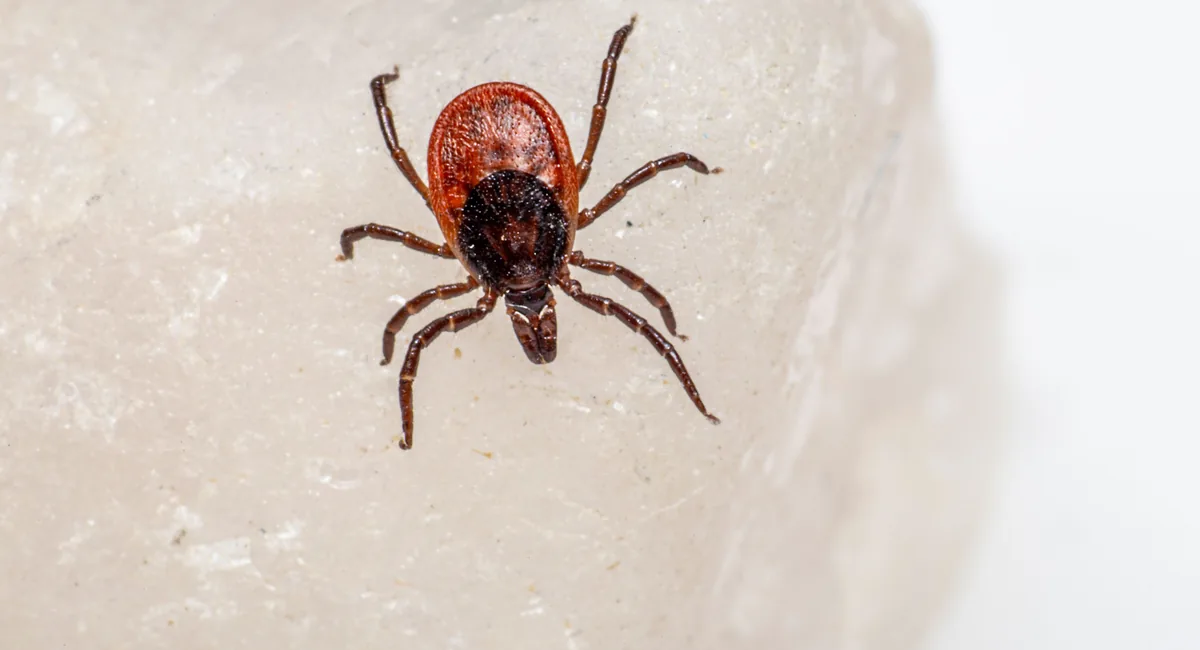
Visual identification involves looking for ticks directly on your dog's skin or fur. As ticks can vary in size and colour, they may appear as small black or brown insects attached to your dog's body. Ticks can be as tiny as a pinhead or grow to the size of a grape, depending on their stage of development and how much blood they have consumed.
Tactile identification involves feeling for ticks by running your hands over your dog's body. Use your fingertips to check for any unusual bumps or bumps that feel different from normal skin or fur. If you come across a tick, you will feel a small, hard protrusion that doesn't easily move when touched.
In both visual and tactile identification methods, it is crucial to have a clear understanding of what ticks look like. Educate yourself about the appearance of ticks so that you can confidently differentiate them from other skin lumps and bumps.
Hotspots for Ticks on Dogs
Remember, early detection is key to protecting your dog from tick-borne diseases. By regularly checking for ticks and being familiar with their appearance, you can keep your furry companion safe and healthy.
The Proper Method for Tick Removal
When it comes to removing ticks from your dog, it's essential to follow the proper method to minimise the risk of complications. Removing a tick incorrectly can result in the tick's mouthpart breaking off and remaining lodged in your dog's skin, leading to infection or other issues. To ensure a safe and effective tick removal process, here are the steps you should follow:
- Gather the necessary tools: Before starting the removal process, gather a pair of fine-tipped tweezers or a tick removal tool. These tools allow for better grip and control when removing the tick.
- Prepare the area: Find a well-lit area and prepare it by positioning your dog comfortably. If needed, have someone help you restrain your dog gently to prevent sudden movements during the removal process.
- Grasp the tick: Using the tweezers or tick removal tool, grasp the tick as close to your dog's skin as possible. Be careful not to pinch or squeeze the tick's body to avoid forcing pathogens into your dog's bloodstream.
- Remove the tick: Apply gentle, steady pressure and pull the tick straight out in one slow, even motion. Avoid twisting or jerking the tick, as this can cause the mouthpart to break off. Ensure that you remove the entire tick, including the head.
- Dispose of the tick: Place the tick in a sealable bag or container, or submerge it in rubbing alcohol, to ensure proper disposal. This will prevent the tick from reattaching itself to your dog or crawling into your home.
- Disinfect the area: Clean the tick bite area on your dog's skin with mild soap and water, or an antiseptic solution, to prevent infection. Monitor the area for any signs of redness, swelling, or discharge, and consult a veterinarian if any concerns arise.
Remember, after removing a tick from your dog, it's important to monitor their health for any signs of tick-borne diseases or adverse reactions. If your dog develops fever, lethargy, loss of appetite, or other concerning symptoms, seek veterinary assistance immediately. Proper tick removal and post-removal care are crucial for ensuring your dog's well-being and reducing the risk of tick-borne diseases.
Preventative Strategies Against Ticks
Ticks pose a significant risk to the health and well-being of dogs. To protect your furry companion, it's crucial to implement preventative strategies that can reduce the likelihood of tick infestations. In this section, I will discuss two key approaches to tick prevention: veterinary solutions and environmental management.
Veterinary Solutions for Tick Prevention
Veterinary products offer effective and convenient ways to prevent ticks on dogs. Tick prevention collars are a popular option and can provide long-lasting protection. These collars contain active ingredients that repel ticks and prevent them from attaching to your dog's skin. They are easy to use and can be worn alongside regular collars.
Spot-on treatments are another common veterinary solution for tick prevention. These topical treatments are applied directly to your dog's skin, usually between the shoulder blades. They provide a month-long protection against ticks and other parasites, effectively keeping your dog tick-free.
Oral medications are also available to prevent ticks on dogs. These medications come in the form of flavored tablets or chews that need to be administered regularly. They work by disrupting the life cycle of ticks, preventing them from reproducing and infesting your dog.
To determine the most suitable veterinary solution for your dog, consult with a veterinarian. They will consider factors such as your dog's age, breed, and lifestyle to recommend the most appropriate tick prevention product.
Environmental Management to Reduce Tick Risks
In addition to veterinary solutions, environmental management plays a crucial role in tick prevention. By creating a tick-hostile environment, you can significantly reduce the risk of tick infestations in your dog's surroundings.
Regular grooming is key to controlling ticks. Thoroughly comb your dog's coat using a fine-toothed comb to check for and remove any ticks. Pay close attention to areas where ticks commonly hide, such as around the ears, armpits, and between the toes.
Maintaining a tick-free yard is essential. Keep grass short and remove leaf litter, as ticks thrive in these environments. Consider using environmentally friendly tick repellents or natural alternatives, such as cedar oil, to deter ticks from your yard.
Avoiding tick-infested areas is another preventive measure. When out for walks or hikes, try to stick to well-maintained paths and avoid tall grasses and wooded areas where ticks are more prevalent.
In conclusion, a combination of veterinary solutions and environmental management is highly effective in preventing ticks on dogs. By utilising tick prevention collars, spot-on treatments, and oral medications, along with regular grooming and maintaining a tick-free yard, you can significantly reduce the risk of tick infestations and protect your dog from tick-borne diseases.
The Dangers of Ticks: Diseases Transmitted to Dogs
Ticks pose a significant threat to the health and well-being of dogs. These tiny parasites can transmit various diseases that can have serious consequences for our canine companions. In this section, we will explore the most common tick-borne diseases affecting dogs and the impact they can have.
Lyme Disease and Its Impact on Canine Health
Lyme disease, caused by the bacterium Borrelia burgdorferi, is one of the most well-known tick-borne illnesses in dogs. It is transmitted through the bite of an infected tick, usually the black-legged tick (Ixodes species). The disease primarily affects the joints, but it can also cause problems in the nervous system, heart, and kidneys.
Common signs of Lyme disease in dogs include:
- Lameness or stiffness
- Swollen joints
- Fever
- Lethargy
- Decreased appetite
- Enlarged lymph nodes
If left untreated, Lyme disease can lead to chronic arthritis, kidney damage, and other serious complications. Prompt diagnosis and treatment with antibiotics are essential for managing the disease and preventing long-term health issues.
Other Tick-Borne Diseases Affecting Dogs
Aside from Lyme disease, ticks can transmit several other diseases to dogs. These include:
These infections can cause various symptoms and affect different body systems. Timely diagnosis, appropriate treatment, and preventive measures are crucial for protecting dogs from the potentially severe consequences of tick-borne diseases.
Risks of Tick Bites and How to Mitigate Them
In this section, I will discuss the potential risks associated with tick bites on dogs and provide strategies to mitigate them. It is crucial to be aware of the dangers ticks pose to our canine companions and take necessary precautions to protect their health.
Ticks are known carriers of various infectious diseases, including Lyme disease and tick fever. If left untreated, these conditions can lead to severe health complications for dogs. Therefore, early detection and prompt tick removal are vital in minimising the chances of disease transmission.
After removing a tick from your dog, it is essential to carefully monitor their health. Watch out for any signs or symptoms that may indicate an adverse reaction to the tick bite, such as swelling, redness, or lameness. If you notice any concerning changes, it is recommended to seek veterinary attention immediately.
Potential Locations and Environments Where Ticks Thrive
When it comes to ticks on dogs, it's crucial to understand the potential locations and environments where these pesky parasites thrive. By being aware of these habitats, dog owners can take effective preventive measures to reduce the risk of tick infestation and protect their furry friends.
Ticks are commonly found in various locations, including:
- Woodlands: Ticks are often abundant in wooded areas with dense vegetation. They can attach to dogs when they brush against bushes, shrubs, or tall grass.
- Grasslands: Tick larvae, nymphs, and adults can be found in grassy areas, such as meadows, fields, and parks. Dogs that spend time in these areas are at a higher risk of encountering ticks.
- Urban areas: Contrary to popular belief, ticks can also be present in urban and suburban settings. They can hide in parks, gardens, and even backyards, especially if there are nearby wooded or grassy areas.
It's important to note that ticks thrive in warm and humid environments, so dog owners should be particularly vigilant during the spring and summer months. Regularly inspecting your dog for ticks after walks or outdoor activities is essential for early detection and prompt removal.
The Importance of Preventive Measures
To minimise the risk of ticks on dogs, it's advisable to take preventive measures, especially in areas where ticks thrive. Here are some recommended strategies:
- Keep grass and vegetation in your yard well-maintained to reduce tick habitats.
- Consider using tick prevention products recommended by your veterinarian, such as collars, spot-on treatments, or oral medications.
- Avoid walking your dog in areas with tall grass, shrubs, or thick vegetation, particularly during peak tick seasons.
- After outdoor activities, thoroughly check your dog for ticks, paying close attention to areas such as the head, neck, ears, and underbelly.
- Remove any ticks promptly and correctly using tick removal tools or tweezers.
- If you live in a high-risk area, consult with your veterinarian about additional preventive measures, such as vaccinating against tick-borne diseases.
By being proactive and implementing these preventive strategies, dog owners can significantly reduce the risk of ticks on their pets and keep them safe from tick-borne diseases.
Ticks on Dogs and Their Implications for Human Health
While ticks pose a significant threat to dogs, it's important to recognise that they can also have implications for human health. Understanding the potential risks and taking necessary precautions is crucial to protect both dogs and their owners.
Precautions for Pet Owners to Avoid Tick Bites
As a responsible pet owner, there are several precautions you can take to minimise the risk of tick bites. These include:
- Regularly checking your dog for ticks after outdoor activities, especially in areas where ticks are prevalent.
- Using tick prevention products recommended by your veterinarian to protect your dog.
- Wearing long-sleeved shirts, long pants, and closed-toe shoes when walking in wooded or grassy areas.
- Applying insect repellents that are safe for use on the skin to both you and your dog.
- Avoiding areas with high tick populations, such as tall grasses and heavily wooded areas.
- Creating a tick-free zone in your yard by regularly mowing the grass and removing leaf litter.
By implementing these precautions, you can significantly reduce the risk of tick bites for both you and your dog.
Actions to Take if You Discover a Tick on Yourself
If you discover a tick on yourself after spending time outdoors, it's important to take immediate action. Follow these steps:
- Using fine-tipped tweezers, grasp the tick as close to the skin's surface as possible.
- Gently pull upward with even pressure, ensuring you don't twist or jerk the tick.
- Once removed, clean the bite area with soap and water or an antiseptic solution.
- Monitor the area for any signs of infection, such as redness, swelling, or a rash.
- If you experience any concerning symptoms, consult a healthcare professional.
Taking swift action to remove ticks and properly care for the bite area can aid in preventing tick-borne diseases in humans.
Caring for Your Dog Post-Tick Removal
After successfully removing a tick from your dog, it is important to provide proper post-removal care to ensure their well-being. Here are some essential steps to follow:
- Clean the affected area: Gently clean the area where the tick was attached to your dog's skin using mild soap and warm water. This helps prevent infection and remove any remaining tick residue.
- Monitor for signs of infection: Keep a close eye on the site of the tick bite for any signs of redness, swelling, pain, or discharge. Contact your veterinarian if you notice any concerning symptoms.
- Observe your dog's behavior: Pay attention to any unusual changes in your dog's behaviour, such as lethargy, loss of appetite, or excessive scratching. These could be signs of a tick-borne illness, and immediate veterinary attention may be necessary.
- Perform regular tick checks: Even after removing a tick, it is essential to continue checking your dog regularly for any new ticks. This helps prevent future infestations and reduces the risk of tick-borne diseases.
By providing proper care and vigilance, you can ensure the well-being of your dog and minimise the risks associated with ticks.
Travel Considerations: Protecting Your Dog from Ticks Abroad
When planning to travel abroad with your dog, it is important to consider the potential risks of ticks in different locations. Non-native tick diseases can pose a threat to your dog's health, so it's crucial to understand and prepare for these risks before embarking on your journey.
Understanding and Preparing for Non-native Tick Diseases
Non-native tick diseases vary depending on the geographical region you are traveling to. Research and familiarise yourself with the specific tick-borne diseases prevalent in the destination country or region. Some common non-native tick diseases include tick fever and dog Lyme disease.
Learn about the signs and symptoms of these diseases so that you can recognise them in your dog if they occur. Be aware that certain strains of ticks may carry different diseases, so staying informed is essential for proactive measures against potential infections.
Consider consulting with a veterinarian who specialises in travel medicine or exotic diseases. They can provide valuable information about the prevalent tick-borne diseases in the country you plan to visit and recommend preventive measures best suited to your dog's needs.
Speaking with Your Vet Before International Travel
Before embarking on your international journey, make sure to schedule an appointment with your veterinarian. Inform them about your travel plans and ask for their guidance on tick prevention measures specific to the destination country.
Your vet may recommend tick prevention products that are effective against the tick species present in the location you will be visiting. They can also provide advice on additional safeguards to protect your dog's health during the trip.
It is also important to ensure that your dog's vaccinations, including the Lyme disease vaccine, are up to date. Discuss with your vet whether additional vaccinations are necessary based on the prevalent tick-borne diseases in the destination country.
Remember to inquire about any quarantine requirements or necessary paperwork for traveling with your dog. Each country has its own regulations, and complying with them beforehand will ensure a smooth and hassle-free journey for you and your furry companion.
By understanding and preparing for non-native tick diseases and consulting with your vet before international travel, you can take proactive steps to protect your dog from tick-borne illnesses. Stay informed, be prepared, and enjoy a safe and memorable trip with your beloved canine companion.
Professional Advice and When to Seek Veterinary Help
When it comes to ticks on dogs, prevention is key. Regular check-ups, vaccinations, and discussions with your veterinarian about tick prevention strategies are essential parts of your dog's overall health and well-being. By staying proactive, you can ensure that your furry friend remains tick-free and protected from potential diseases.
If you notice ticks on your dog despite taking preventive measures, it's important to take immediate action. Use proper tick removal methods to safely remove the tick from your dog's skin. Remember, improperly removing a tick can increase the risk of disease transmission.
It's crucial to be aware of the signs and symptoms that may indicate the need for veterinary help. If your dog experiences persistent lethargy, loss of appetite, fever, joint pain, or any other unusual symptoms following a tick bite, it's time to seek professional assistance. Veterinary experts have the knowledge and resources to provide the necessary treatment and support.
Always remember that ticks can transmit serious diseases to dogs, such as Lyme disease. Prompt veterinary care is vital in diagnosing and treating these conditions, ensuring the best possible outcome for your beloved pet.
My Conclusion
To conclude this article, folks, ticks on dogs can pose significant risks to their health and well-being. It is crucial for dog owners to prioritise tick prevention and early detection in order to protect their furry friends from the harmful effects of tick bites.
Throughout this article, we have explored various aspects of ticks on dogs, including prevention and removal tips, understanding tick behaviour, early detection methods, proper tick removal techniques, and preventative strategies.
By implementing preventative measures such as using tick prevention collars, spot-on treatments, and oral medications, dog owners can greatly reduce the chances of tick infestation. Regularly checking their dogs for ticks, especially after outdoor activities, and promptly removing any ticks found is also essential.
Remember, ticks on dogs are not just a nuisance but can also transmit diseases such as Lyme disease. Being aware of the symptoms of tick-borne diseases and seeking veterinary help when needed is crucial for the overall health and well-being of your pet.
Sláinte,
Conor
FAQ Section
What are some common symptoms of ticks on dogs?
Common symptoms of ticks on dogs include excessive scratching or licking, visible ticks on the dog's body, redness or inflammation at the site of the tick bite, hair loss or thinning in the affected area, and signs of illness such as fever, lethargy, or loss of appetite.
How long do ticks stay on dogs?
The length of time ticks stay on dogs can vary. Some ticks may attach to the dog for only a few hours or days, while others may stay attached for several weeks if left undetected and untreated. It's important to frequently check dogs for ticks and remove them promptly to prevent tick-borne diseases.
How do I remove a tick from my dog at home?
To remove a tick from your dog at home, use fine-tipped tweezers or a tick removal tool. Grasp the tick as close to the skin as possible and gently pull upward with steady pressure. Avoid twisting or crushing the tick, as this can increase the risk of disease transmission. After removal, clean the area with antiseptic and monitor your dog for any signs of infection.
What are some preventative strategies to protect dogs from ticks?
Preventative strategies to protect dogs from ticks include using tick prevention collars, applying spot-on treatments or oral medications prescribed by a veterinarian, regularly grooming your dog to check for ticks, maintaining a tick-free yard by removing leaf litter and tall grass, and avoiding areas known to be tick-infested.
What are the risks of tick-borne diseases transmitted to dogs?
Tick-borne diseases such as Lyme disease and tick fever can have serious health implications for dogs. These diseases can cause symptoms such as joint pain, lethargy, loss of appetite, fever, and in some cases, organ damage. Early detection and treatment are crucial to minimize the impact of tick-borne diseases on dogs.
How can I protect myself from tick bites when dealing with ticks on dogs?
To protect yourself from tick bites when dealing with ticks on dogs, wear protective clothing such as long sleeves, long pants, and closed-toe shoes. Apply insect repellents containing DEET to exposed skin and perform thorough tick checks on yourself after handling ticks. If you discover a tick on yourself, carefully remove it using fine-tipped tweezers or a tick removal tool.
What should I do after removing a tick from my dog?
After removing a tick from your dog, clean the affected area with antiseptic to reduce the risk of infection. Monitor the area for any signs of inflammation, redness, or discharge. Additionally, observe your dog for any changes in behavior or signs of illness, and continue to take preventive measures to avoid future tick infestations.
What travel considerations should I keep in mind to protect my dog from ticks abroad?
When travelling abroad with your dog, it's important to understand and prepare for non-native tick diseases in the destination country. Research the specific tick species and diseases present in the area and consult with a veterinarian for appropriate tick prevention measures. Ensure your dog is up to date on vaccinations and discuss any travel-related concerns with your vet.
When should I seek veterinary help for ticks on my dog?
You should seek veterinary help for ticks on your dog if there are multiple ticks present, if the tick has been attached for an extended period, if your dog is showing signs of illness, if you are unable to remove the tick safely, or if you have concerns about potential tick-borne diseases. A veterinarian can provide professional guidance, perform tick removal if needed, and recommend appropriate treatment measures.
Source Links
Sources and further reading
These sources support the health, welfare, behaviour or legal points in this guide. They do not turn a general article into individual professional advice.
Sources I checked for this editorial review
I reviewed the following professional or official starting points on 1 August 2026. They support the general principles in this article; they do not replace advice based on an individual dog.