Safety & Law
Police Say My Dog Is an XL Bully — What Happens Next?
The short answer
Being told your dog is an XL Bully type means an assessment against a published physical standard is likely, not that the question is settled. Your dog may be seized. Advice from a solicitor with dog-law experience is worth obtaining early, particularly before giving a detailed account or signing a disclaimer.
Be aware: the legal burden runs against you. Where it is alleged a dog is of a prohibited type, it is for the owner to prove it is not.
What to do in the first hour
- Stay calm and cooperative. Obstructing officers helps nothing and can create a separate offence.
- Keep what you say brief and factual. You are not obliged to give a detailed account at the door, and where an offence may be alleged it is usually better to take advice first.
- Write down the officer's name, collar number, force, and any reference number.
- Ask what is happening — whether the dog is being seized, where it will be kennelled, and what the next step is.
- Report medical needs immediately: medication, conditions, diet, anything relevant to welfare.
- Take care with paperwork. If you are asked to sign a disclaimer or other document affecting your dog, it is reasonable to ask for time to take legal advice before deciding.
- Phone a solicitor with genuine dog-law experience the same day.
How type is actually assessed
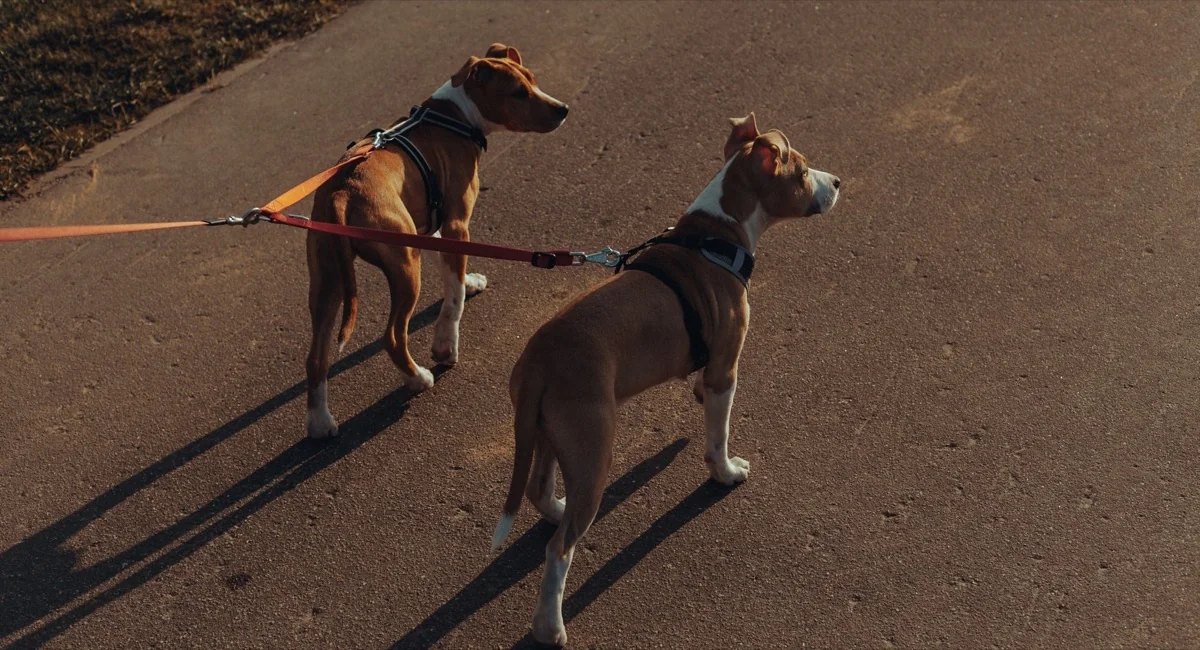
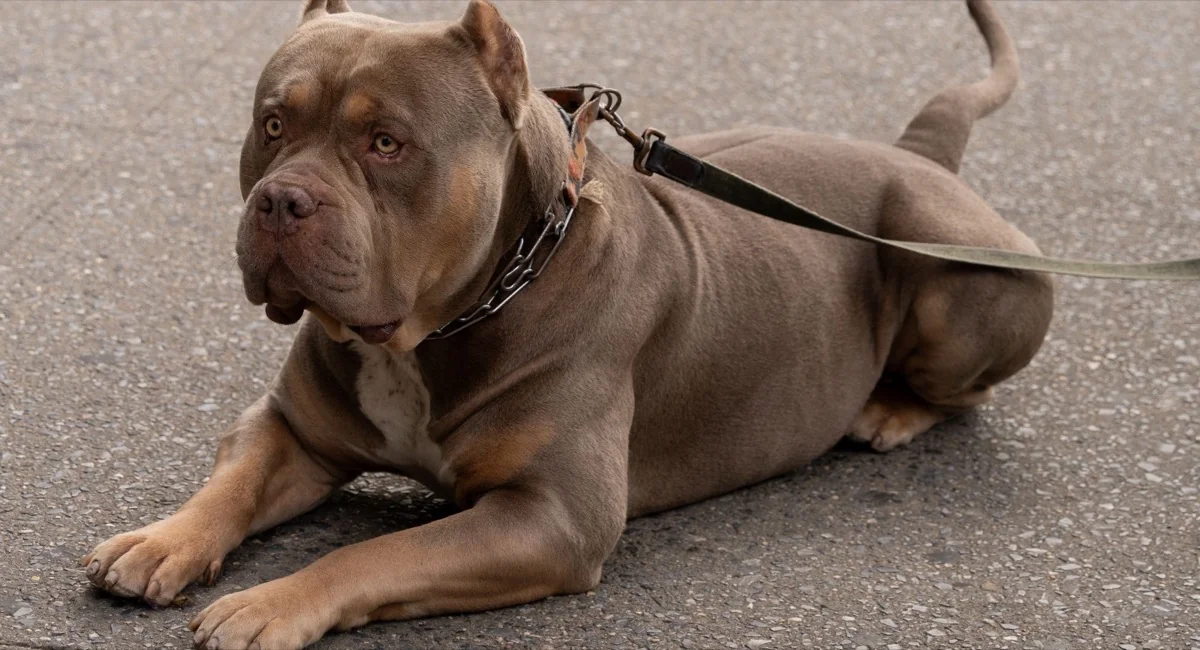
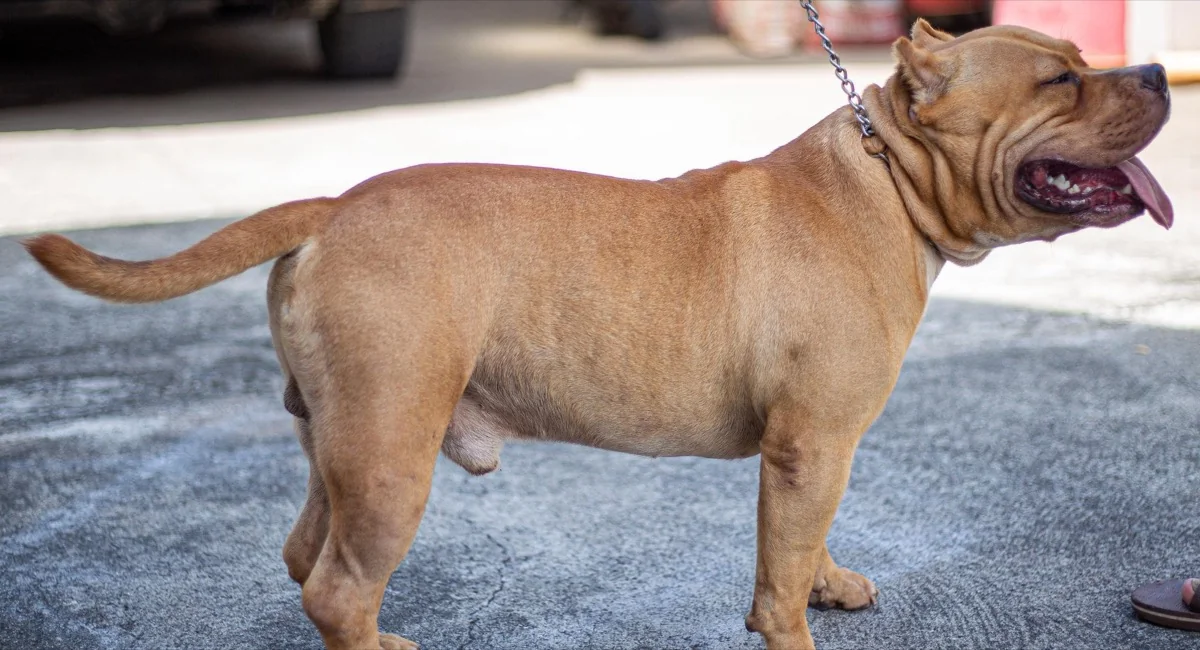
The Government has published a conformation standard describing the physical characteristics of an XL Bully — height at the withers, body proportions, head shape and other measurable features. An expert assesses the dog against that description.
Two consequences owners consistently find unjust, and should nonetheless plan around:
- Papers and DNA do not decide it. The test is what the dog looks like and measures, not what it is descended from.
- A dog can be "of type" without being the breed. Cross-breeds meeting enough of the standard are caught.
Our XL Bully identification guide goes through the standard in detail, including how height is measured and which characteristics carry the most weight.
The reverse burden of proof
Most people assume the authorities must prove their case. In section 1 proceedings that is inverted: where it is alleged a dog is of a prohibited type, the owner must prove it is not. This is why owners who are confident their dog "obviously isn't one" still lose — confidence is not evidence, and the evidence that counts is expert measurement against the standard.
It is also the main reason to instruct someone experienced quickly. Whether to obtain an independent expert assessment, and when, is a tactical decision that benefits from someone who has made it before.
Realistic outcomes
| Finding | What usually follows |
|---|---|
| Not of type | The dog is returned. Push for this to happen promptly and ask about costs. |
| Of type, exemption already held and conditions met | Lawful possession continues, provided every condition is genuinely satisfied. |
| Of type, no exemption | Court proceedings. The court may order the dog be placed on the Index of Exempted Dogs where it is satisfied the dog is not a danger to public safety and there is a fit and proper keeper. |
| Of type, and considered a danger to public safety | A destruction order becomes a real possibility. Evidence about the dog and about you is decisive. |
If the dog has already been taken, read what happens if an XL Bully is seized for the process that follows, and start assembling records for your solicitor immediately.
Jurisdiction matters
The framework differs across the UK. England and Wales operate under the Defra exemption scheme; Scotland has its own process, with applications having closed on 31 July 2024 and new exemptions requiring court authorisation; Northern Ireland has separate legislation and additionally requires a valid annual dog licence for the exemption to remain effective. Compare the current position in the UK-wide rules comparison and instruct a solicitor qualified in the right jurisdiction.
Sources and legislation
Legislation and official guidance
- Dangerous Dogs Act 1991, section 1 — prohibited types and the reverse burden of proof
Official guidance
- GOV.UK: XL Bully conformation standard
- GOV.UK: Ban on XL Bully dogs
- Scottish Government: XL Bully dog rules
- nidirect: XL Bully dogs
Primary sources checked on . Rules and clinical guidance change; follow the linked organisation for the current position.
How this guide is sourced
Canine Maverick separates the kinds of knowledge behind a page so you can weigh each claim yourself.
| Evidence type | How it is used here |
|---|---|
| Official guidance | Government, regulator or statutory body publications, linked so you can read the primary wording. |
| Editorial judgement | Canine Maverick’s own synthesis, clearly separated from the sourced material above. |
Frequently asked questions
Can they take my dog straight away?
Yes, police have powers to seize a dog suspected of being a prohibited type. In some cases a dog is left with the owner under conditions while the matter is resolved, but you cannot rely on that. Prepare on the basis that seizure is possible.
Whose job is it to prove what my dog is?
This is the part owners find hardest. Under section 1 of the Dangerous Dogs Act 1991 the burden is reversed: where it is alleged that a dog is of a prohibited type, it is for the owner to prove that it is not. That is a significant practical disadvantage and a strong reason to get expert legal help.
My dog is a Staffie cross. Can it still be of type?
Yes. Assessment is against physical conformation rather than parentage or paperwork, so a cross-breed with no known XL Bully ancestry can still meet the standard. Many affected owners were genuinely unaware their dog could be caught by it.
What if I already have a Certificate of Exemption?
Then you are lawfully keeping the dog provided you comply with every condition. Have the certificate and your compliance records available, and check the current conditions carefully — they have changed during 2026.
Should I say my dog is friendly?
Say as little as possible about the dog or any incident until you have taken advice. Temperament evidence matters later, in the right format, from the right people. An off-the-cuff account at the door can be recorded and used, and rarely helps.