Safety & Law
What Happens if an XL Bully Is Seized? A UK Owner’s Guide
The short answer
A seized dog is kennelled at a police-contracted facility while an expert assesses whether it meets the published physical standard for an XL Bully. The case then goes to court. It takes months, you usually cannot visit, and the eventual outcome ranges from the dog being returned and placed on the Index of Exempted Dogs to a destruction order.
The decision that matters most early on: if you are asked to sign a disclaimer of ownership or similar paperwork, consider taking legal advice before deciding, because the consequences are difficult to undo.
Why dogs are seized
Seizure under the Dangerous Dogs Act generally happens for one of two reasons, and they lead to different cases:
- Suspected prohibited type — the dog is thought to be an XL Bully or other prohibited type without a valid Certificate of Exemption, or in breach of exemption conditions.
- An incident — an allegation that the dog was dangerously out of control, which may involve a dog of any breed.
Both can apply at once. A report about an incident sometimes leads to a type assessment the owner had never anticipated.
The process, step by step
| Stage | What happens | What you should do |
|---|---|---|
| Seizure | The dog is removed and taken to a contracted kennel. You may be given paperwork. | Record names, numbers and the reference. Report medical needs. Do not obstruct. |
| First contact | You may be invited to interview, or asked to sign a disclaimer. | Consider instructing a solicitor before an interview, and before signing paperwork affecting ownership of your dog. |
| Type assessment | A police-instructed expert measures the dog against the published conformation standard. | Your solicitor can consider whether an independent expert is appropriate. |
| Kennelling | The dog remains detained, usually for months, usually without visits. | Ask about welfare, exercise and any possibility of interim release. |
| Court proceedings | The court considers type, and whether the dog is a danger to public safety. | Assemble evidence about the dog and about your suitability as a keeper. |
| Outcome | Return with exemption, a contingent destruction order with conditions, or destruction. | Understand the conditions fully before agreeing to them. |
How type is assessed — and why owners are caught out
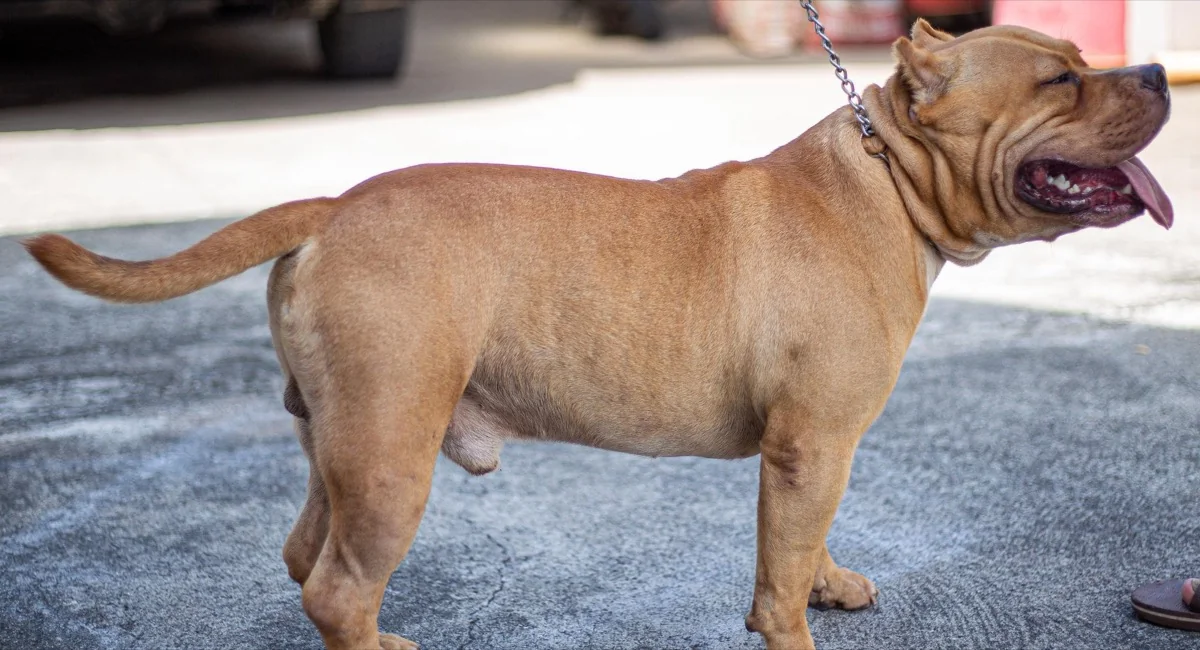
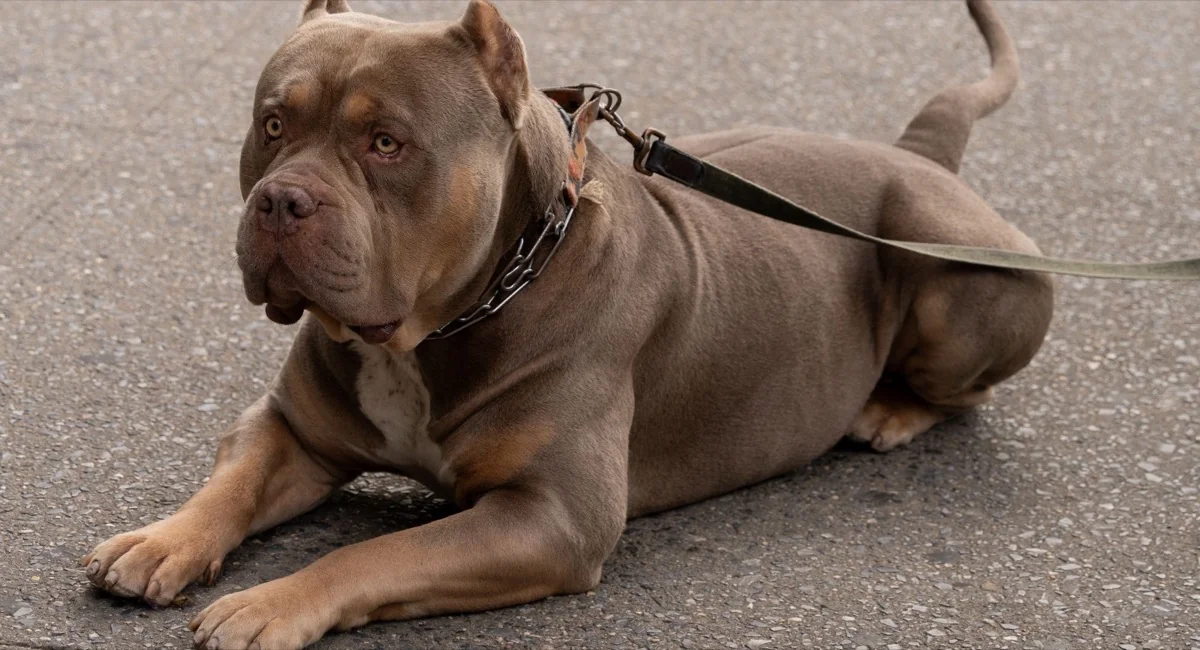
This is the part that surprises people most. Under the legislation, a prohibited dog is identified by type, not breed. Assessment is against a published set of physical characteristics and measurements — height, proportions, head and body conformation — set out in the Government's XL Bully conformation standard.
The practical consequences are hard for owners to accept but important to understand early: pedigree papers do not settle it, a DNA test does not settle it, and a dog with no XL Bully in its parentage can still meet the standard. Conversely, a dog described as an XL Bully by a breeder may not meet it. We cover this in detail in what to do when the police say your dog is an XL Bully, and the XL Bully identification guide explains the standard itself.
Evidence that helps
Where the court is considering whether the dog is a danger to public safety and whether you are a fit and proper person, the evidence you assemble genuinely matters. Start now:
- Full veterinary history, including any notes on the dog's temperament during handling.
- Training records, class attendance, and details of any accredited behaviour professional involved.
- Evidence of secure keeping — photographs of fencing, gates, locks and the dog's living arrangements.
- Muzzle and lead training records. A muzzle training diary is exactly the kind of contemporaneous record that carries weight.
- Your compliance file — microchip, neutering confirmation, address notifications. The compliance master file keeps these together.
- Character evidence from neighbours, your vet, a groomer, a walker or a trainer.
- Any incident or near-miss records you have kept, honestly maintained.
Records made before anything went wrong are more persuasive than an account assembled afterwards. That is the real argument for keeping them routinely.
Costs and welfare
Two practical realities to plan for. Kennelling costs accumulate throughout the detention, and owners are commonly asked to meet them; in a long case they can exceed the legal fees. Long kennelling is hard on dogs, and it is reasonable to ask what exercise, enrichment and veterinary care your dog is receiving. Ask through your solicitor and ask in writing.
Check whether you have legal-expenses cover in your home or pet insurance before assuming you are funding this yourself — it is frequently included and almost as frequently forgotten.
What to do next
Get advice today if the dog is already seized. If you are reading this as a precaution, the useful work is preventative: confirm you meet every current condition in the UK rules comparison, keep your compliance file current, and read what to do when there is a problem with a Certificate of Exemption before a small administrative issue becomes a criminal one.
Sources and legislation
Legislation and official guidance
- Dangerous Dogs Act 1991, section 5 — powers of seizure, entry and detention
- Dangerous Dogs Act 1991, section 4B — destruction orders otherwise than on a conviction
Official guidance
- GOV.UK: Ban on XL Bully dogs
- GOV.UK: XL Bully conformation standard — the physical standard used when assessing type
- GOV.UK: Banned dogs and the Index of Exempted Dogs
Primary sources checked on . Rules and clinical guidance change; follow the linked organisation for the current position.
How this guide is sourced
Canine Maverick separates the kinds of knowledge behind a page so you can weigh each claim yourself.
| Evidence type | How it is used here |
|---|---|
| Official guidance | Government, regulator or statutory body publications, linked so you can read the primary wording. |
| Editorial judgement | Canine Maverick’s own synthesis, clearly separated from the sourced material above. |
Frequently asked questions
How long will my dog be kennelled?
Months is normal rather than exceptional, because the case has to work through the courts. Owners are usually not permitted to visit during that time. This is one of the hardest parts of the process and one of the least within your control, which is why getting competent legal representation early matters.
Can I get my dog back before the case finishes?
Sometimes, but it is not automatic and depends on the circumstances and the force involved. Raise it with a solicitor immediately — it is a question that gets harder to pursue the longer it is left.
Will a DNA test or pedigree papers prove my dog is not an XL Bully?
No. Type is assessed against a published physical conformation standard — measurements and characteristics — not genetics or breed registration. A dog with papers for another breed can still be found to be of type, and a dog with no bully breeding can too.
Who pays the kennelling costs?
Owners are frequently asked to meet them, and in a long case they can be substantial — sometimes more than the legal costs. Ask your solicitor about liability and about anything that can limit the period of detention.
If the dog is found to be of type, is it automatically destroyed?
No. A court can order that the dog be placed on the Index of Exempted Dogs if it is satisfied the dog does not constitute a danger to public safety and that there is a fit and proper person to be in charge of it. Evidence about the dog and about you is central to that decision.
Should I sign the disclaimer form?
Signing a disclaimer can permanently affect ownership of your dog and may have consequences that are difficult to reverse. Consider obtaining specialist legal advice before deciding whether to sign, so you understand what the document means in your circumstances.